The foundation of all modern electronics relies on printed circuit boards. Whether you are developing consumer electronics, advanced aerospace communications, or complex medical devices, the physical realization of your engineering design depends entirely on a capable PCB manufacturer. However, the definition of a PCB manufacturer has evolved significantly over the past decade. It is no longer sufficient to simply etch copper and drill holes. Today, a premier PCB manufacturer must act as a fully integrated technology partner, offering a comprehensive suite of services that span from initial fabrication to final product assembly.
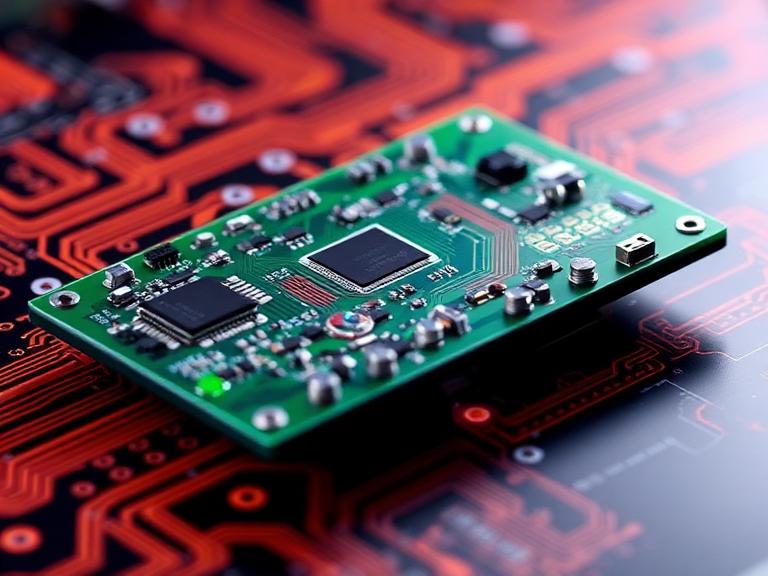
China 365PCB is a fully self-operated, full-industry-chain manufacturing group. From PCB fabrication, SMT assembly, online electronic component sourcing and integration, CNC machining, cable harness assembly, to complete OEM/ODM solutions, we manage the entire lifecycle of hardware production. With 15+ years of experience, 365PCB operates over 100,000㎡ of production area. All facilities are self-owned and self-managed, ensuring total quality control, full process traceability, and unmatched production flexibility. In this comprehensive guide, we will define exactly what a PCB manufacturer does, detail the advanced services they provide, and explain why choosing a fully integrated manufacturer is critical to your project's success.
1. What is a PCB Manufacturer?
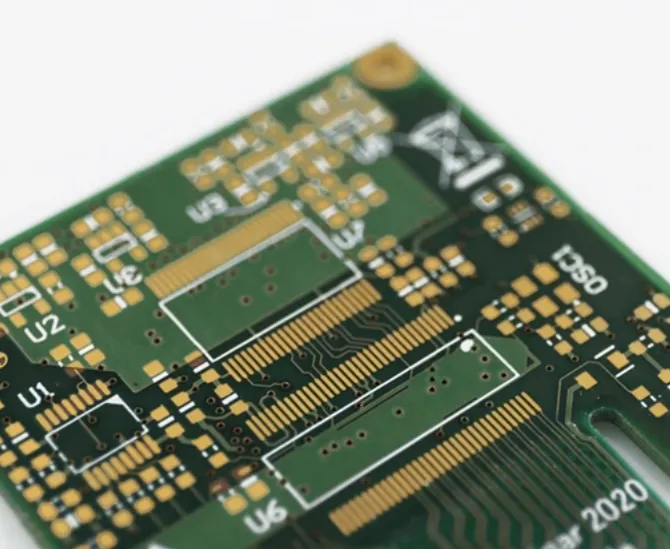
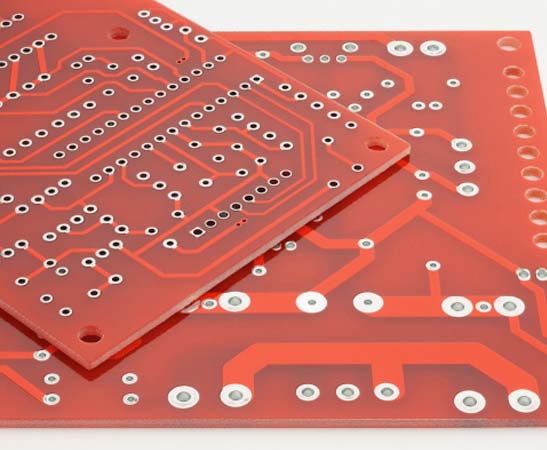
A PCB manufacturer is an industrial entity responsible for transforming digital circuit designs, typically provided as Gerber files or ODB++ formats, into physical printed circuit boards. This complex manufacturing process involves layering conductive copper and insulating dielectric materials, utilizing chemical etching, precise laser and mechanical drilling, electroplating, and the application of solder masks and silkscreens.
Historically, a PCB manufacturer was strictly a board fabricator. You would receive bare boards and then ship them to a separate assembly house to have components soldered onto them. However, the modern definition of a PCB manufacturer encompasses much more. The best providers in the industry now offer a one-stop turnkey service from design to delivery. At 365PCB, we guarantee no delay, no excuses — truly realizing 365 days of fast manufacturing for global customers. This evolution means that a true PCB manufacturer today manages the entire supply chain, mitigating risks, reducing lead times, and controlling quality at every single node of production.
2. Summary Table: Core Services of a Leading PCB Manufacturer
To understand the breadth of capabilities a top-tier PCB manufacturer provides, we have summarized the core services in the table below. This matrix illustrates the transition from basic fabrication to high-end semiconductor testing and final OEM integration.
| Service Category | Specific Solutions Provided | Primary Industry Applications |
|---|
| Advanced Fabrication | High-speed PCB, HDI, Multilayer, Rigid-Flex | Telecommunications, Data Centers, Aerospace |
| IC Substrates | FC-CSP PCB, Interposer PCB | Advanced Semiconductor Packaging, Microprocessors |
| Semiconductor Testing | Probe Card PCB, Load Board PCB, Burn in Board PCB, Semiconductor Test PCB | Wafer Fabrication, Chip Validation, Automated Test Equipment (ATE) |
| Assembly & Integration | SMT Assembly, Component Sourcing, Cable Harness | Consumer Electronics, Industrial Automation, Medical Devices |
| Full OEM/ODM | CNC Machining, Box Build, Final Testing | Complete Product Realization for Global Brands |
3. Advanced PCB Fabrication Services
The core competency of any PCB manufacturer remains bare board fabrication. However, the demands of modern electronics require pushing the boundaries of material science and signal integrity. As signal frequencies climb into the gigahertz range, standard FR4 materials are no longer sufficient.
A high-end PCB manufacturer will specialize in the production of the High-speed PCB. These boards are engineered using advanced low-loss laminates, such as Rogers, Megtron, or specialized PTFE materials. Fabricating a High-speed PCB requires strict impedance control, highly precise trace etching, and smooth copper profiles to minimize signal insertion loss and cross-talk. From our experience, failing to maintain tight tolerances during the pressing of multilayer high-speed boards results in catastrophic signal degradation. We recommend partnering with a PCB manufacturer that utilizes automated optical inspection (AOI) and time-domain reflectometry (TDR) testing to guarantee the electrical performance of every high-speed circuit.
4. Semiconductor Testing and IC Substrate Solutions
One of the distinguishing factors between a standard board house and a world-class PCB manufacturer is the ability to produce highly specialized boards for the semiconductor industry. The fabrication tolerances required for these products are exceptionally tight, often bordering on microscopic.
Advanced IC Substrates
As microchips shrink, the packaging technology must keep pace. We provide advanced packaging solutions such as the FC-CSP PCB (Flip Chip Chip Scale Package). These substrates allow for the direct attachment of the silicon die to the PCB, minimizing the package footprint while maximizing I/O density. Furthermore, as heterogeneous integration and chiplet architectures gain prominence, the demand for the Interposer PCB has surged. An interposer acts as an electrical routing interface between different dies and the main substrate, requiring a PCB manufacturer capable of extreme high-density interconnect (HDI) fabrication.
Automated Test Equipment (ATE) Boards
Before any microchip reaches the consumer, it must undergo rigorous validation. A capable PCB manufacturer supplies the specialized hardware required for this testing. This includes the Semiconductor Test PCB suite of products.
Wafer Testing: The Probe Card PCB is an essential tool used to test semiconductor wafers before they are diced. These boards interface directly with automated probers, requiring absolute planar accuracy to ensure perfect contact with the microscopic pads on the silicon wafer.
Component Validation: Once the chips are packaged, they are tested on a Load Board PCB. A load board interfaces between the packaged device under test (DUT) and the automated test equipment. These boards are massive, often possessing dozens of layers and thousands of high-speed traces to test complex SoCs (System on Chips).
Reliability Testing: To ensure chips will not fail in the field, they are subjected to extreme thermal and electrical stress. This is accomplished using a Burn in Board PCB. A burn-in board must be manufactured using specialized high-Tg (glass transition temperature) polyimide materials capable of withstanding hundreds of hours inside high-temperature testing ovens without delaminating.
5. Turnkey Assembly and Full-Industry-Chain Integration
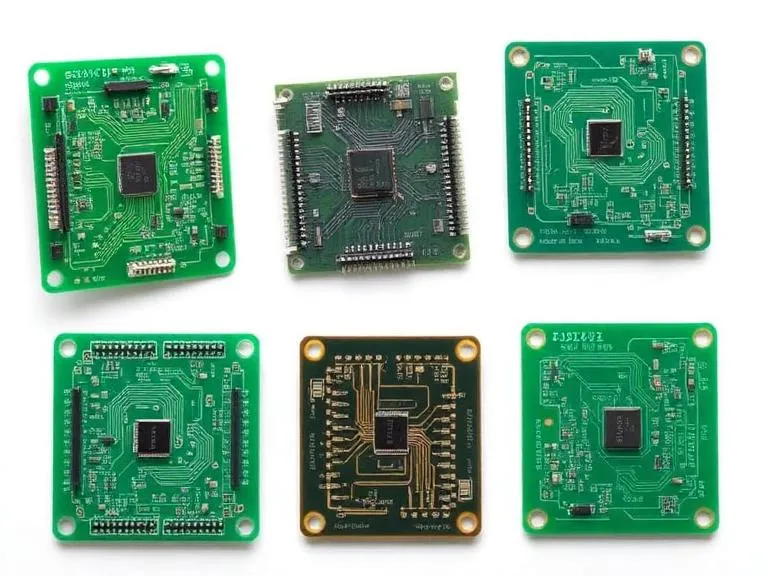
A modern PCB manufacturer must look beyond the bare board. At 365PCB, our capabilities extend into a full-industry-chain manufacturing group. Once the PCB is fabricated, our in-house surface mount technology (SMT) lines take over. We offer online electronic component sourcing and integration, utilizing our vast global supply chain network to procure authentic parts rapidly, mitigating the risks of counterfeit components and extended lead times.
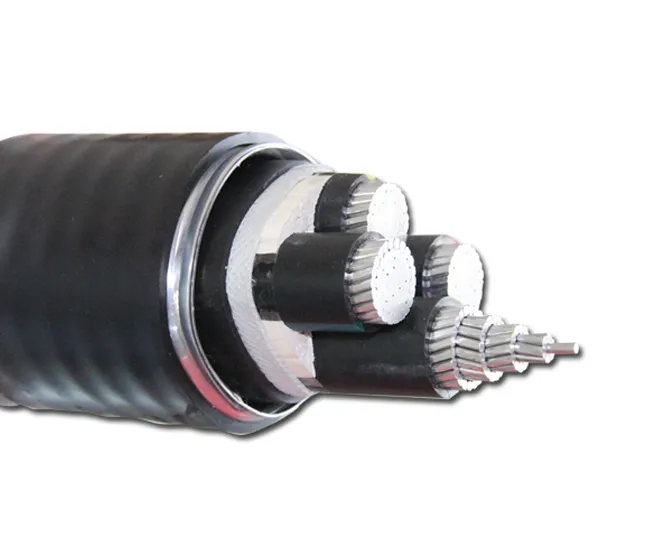
We recommend utilizing a single PCB manufacturer for both fabrication and assembly. When the same facility handles both processes, the transition is seamless. There is no finger-pointing between the board fabricator and the assembly house if a failure occurs. Furthermore, our services encompass CNC machining for custom enclosures, cable harness assembly for internal wiring, and complete OEM/ODM solutions. This vertical integration allows a brand to hand us a schematic and receive a fully packaged, shelf-ready product in return.
6. The Importance of a Fully Self-Operated PCB Manufacturer
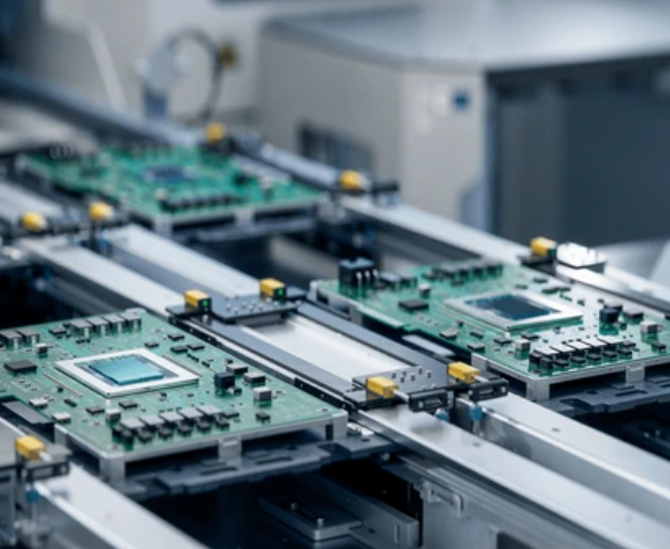
The electronics manufacturing market is saturated with brokers and middlemen who market themselves as a PCB manufacturer but actually outsource your designs to the lowest bidder. This fragmented approach introduces severe risks regarding intellectual property theft, material substitution, and unpredictable delivery schedules.
Our Commitment at 365PCB is clear: we believe true manufacturing excellence lies in Speed, Precision, and Responsibility. We never outsource, never compromise. Operating over 100,000㎡ of self-owned and self-managed facilities allows us to implement total quality control and full process traceability. From PCB to OEM integration, every board, every circuit, every connection is made within our own facilities — ensuring you always get faster delivery, higher quality, and absolute reliability. From our experience, having engineers, fabrication lines, and SMT assembly under one roof is the only way to guarantee the rapid iteration cycles required by today's hardware developers.
7. How to Choose the Right Manufacturing Partner
Selecting the right PCB manufacturer is a critical business decision. We recommend evaluating potential partners based on their facility ownership, engineering support, and specific technological capabilities. Ask whether they possess the machinery to handle the tight tolerances of a Probe Card PCB or the high-frequency requirements of a High-speed PCB. Verify their quality certifications, such as ISO 9001, ISO 13485 for medical devices, or IATF 16949 for automotive standards.
Transparency is also paramount. A reputable PCB manufacturer should offer a streamlined quoting process. We invite you to utilize our PCB Instant Quote system, which provides transparent, real-time pricing for your custom fabrication and assembly needs. By partnering with a self-operated, full-chain PCB manufacturer like 365PCB, you eliminate supply chain blind spots and secure a reliable pathway from prototype to mass production.
8. Frequently Asked Questions (FAQs)
Why should I choose a fully self-operated PCB manufacturer over a broker?
A fully self-operated PCB manufacturer owns the facilities and machinery, giving them direct control over production schedules, material quality, and intellectual property security. Brokers outsource your work, leading to potential delays, communication breakdowns, and inconsistent quality batch-to-batch.
What makes a Burn in Board PCB different from a standard circuit board?
A Burn in Board PCB is used for high-temperature semiconductor stress testing. Unlike standard boards made from FR4, these boards are manufactured using specialized high-Tg materials (like Polyimide) to withstand prolonged exposure to extreme heat in testing ovens without warping, oxidizing, or delaminating.
Can a PCB manufacturer help with component sourcing?
Yes, a leading turnkey PCB manufacturer like 365PCB provides online electronic component sourcing and integration. We utilize established relationships with global distributors to procure authentic components quickly, managing the entire Bill of Materials (BOM) on your behalf.
What is the significance of an Interposer PCB in modern electronics?
An Interposer PCB acts as an intermediate routing layer between complex microchips and the main motherboard. It requires ultra-fine lines and spaces (often utilizing advanced HDI technology) to accommodate the massive I/O counts of modern heterogeneous semiconductor packages.
 English