





TY_HOME14
China 365PCB Technology Co., Ltd.
  • aluminum alloy cable
  • aluminum alloy cable

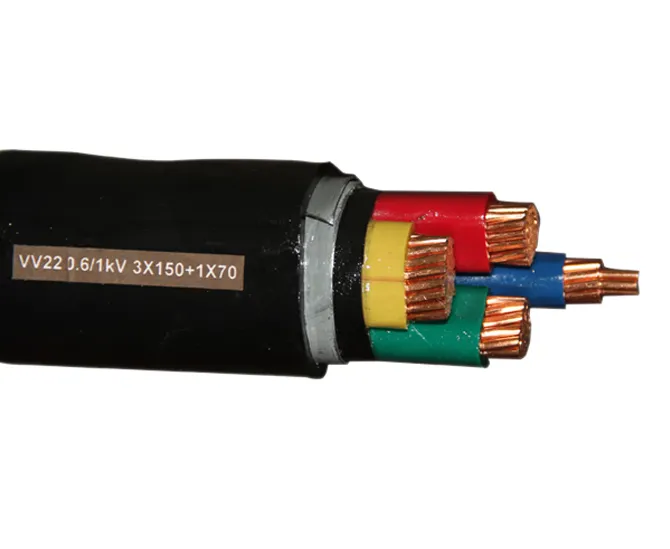
Aluminum Alloy Cable

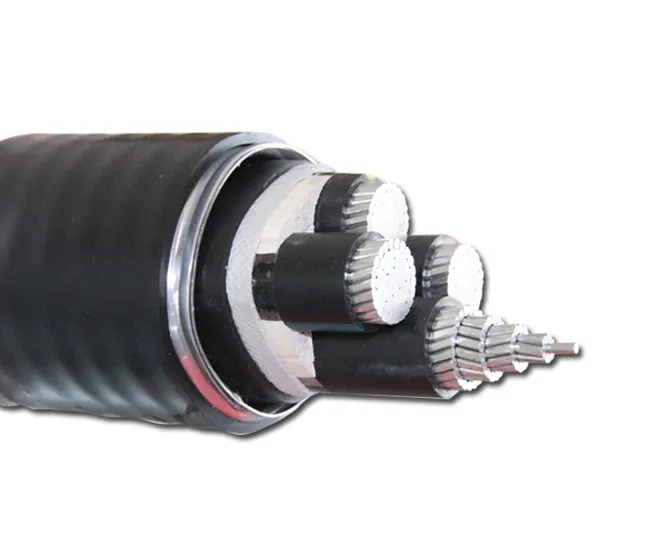
The flame retardant level of the aluminum alloy cable insulation material produced by our company has reached the advanced FT4 grade. The experimental flame temperature of this material reaches over 900 degrees Celsius, without spreading or dripping, and during combustion, it can achieve low smoke and low halogen emissions, significantly enhancing the safety level of its application.

Detail of Aluminum Alloy Cable

Detail of Aluminum Alloy Cable


Load-bearing and Self-Weight

Aluminum alloy improves the tensile strength of pure aluminum. Aluminum alloy cables can support the self-weight of 4000 meters in length, while copper cables can only support 2850 meters. This advantage is particularly prominent in large-span building wiring.

Application Scope

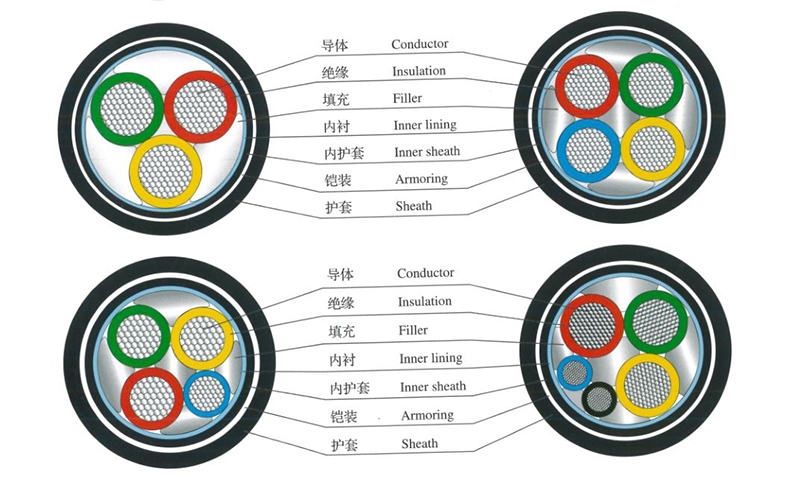
The cross-linked polyethylene insulated power cable consists of a tightly pressed aluminum alloy conductor, inner shield, insulation layer, outer shield, and sheath. Among them, cross-linked polyethylene is obtained by using chemical or physical methods to transform the linear structure of polyethylene into a three-dimensional network structure, which not only converts thermoplastic polyethylene into thermosetting cross-linked polyethylene, thereby significantly improving its mechanical properties, thermal aging performance, and environmental application capabilities, but also maintains excellent electrical properties.

The cable design complies with national standard GB/T12706-2008 and the recommended international electrical engineering standard IEC60502. The normal operating temperature of the cross-linked polyethylene insulated cable conductor is 90°C, and the cross-linked polyethylene cable not only has excellent electrical performance, but also has the advantages of a simple structure, small outer diameter, light weight, convenient use, and no limit on the laying drop height.

Operating Conditions

1. The higher rated temperature of the cable conductor is 90°C, the emergency overload temperature is 130°C, and the temperature does not exceed 250°C when the conductor shorts (for a longer duration of 5 seconds).

2. The laying temperature shall not be lower than 0°C, and the cable drop height is not restricted.

3. The specified bending radius is as follows:

Single core: 10(d + D) ± 5%

Three cores: 7(d + D) ± 5%

(Where D is the actual outer diameter of the cable, and d is the actual outer diameter of the conductor)

4. The operating temperature of the cable:

Polyvinyl chloride sheath does not exceed 90°C; polyethylene sheath does not exceed 80°C.

5. It is only used in dry or humid environments, with an environmental working temperature of 75°C.

According to user requirements, high-temperature or low-temperature resistant cables can be produced.

6. One or two single-core cables are not allowed to be laid in iron pipes.


Dedicated Engineering & Support Team

* Your Name
* E-mail Address
* Contact Phone
* Company Name
* Message Content
We use cookies to offer you a better browsing experience, analyze site traffic and personalize content. Part of the tracking is necessary to ensure SEO effectiveness,
By using this site, you agree to our use of cookies. Visit our cookie policy to learn more.

Reject Accept