



TY_HOME14
China 365PCB Technology Co., Ltd.
  • hard gold pcb
  • hard gold pcb

Hard Gold PCB

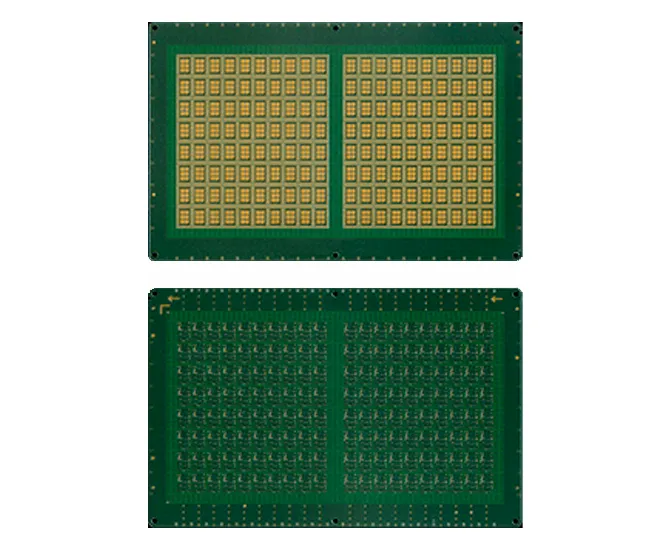
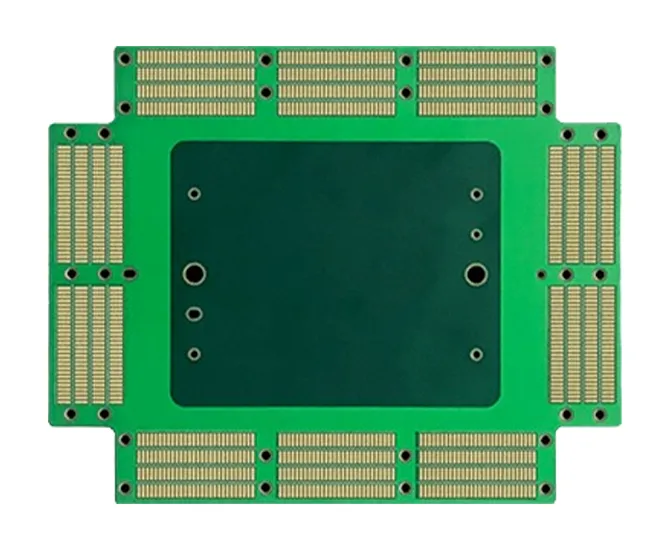
Our hard gold plating (1-50µ") offers unmatched durability for contact surfaces, making it ideal for connector fingers, edge contacts, and high-wear PCBs.

What is Hard Gold Plating (Electrolytic Gold)?

Hard gold is an electrolytically deposited gold layer (typically 5-50µ") over a nickel barrier, providing superior abrasion resistance compared to soft gold (ENIG).

Key Features

✔ Exceptional wear resistance – Withstands thousands of insertion cycles
✔ Excellent conductivity – Low contact resistance for high-frequency signals
✔ Nickel underlayer (3-6µm) – Prevents copper diffusion & improves corrosion resistance
✔ RoHS compliant – Lead-free for modern electronic devices

Best Applications

  • Edge connectors & card guides

  • Switch contacts & test points

  • High-reliability military/aerospace PCBs

  • Medical devices with repeated mating cycles


Why Choose Hard Gold Plating for PCBs?

✔ Durability – 10X longer lifespan than ENIG for sliding contacts
✔ Stable contact resistance – No degradation over time
✔ Wire-bondable – Unlike immersion finishes
✔ Solderable – Though typically used for non-solderable contacts
✔ Resists environmental corrosion – Ideal for harsh conditions

Limitations

  • Higher cost than ENIG/immersion finishes

  • Thickness impacts flexibility (too thick = brittle)

  • Not suitable for fine-pitch SMT soldering (better for edge contacts)


H2: How Hard Gold Plating is Applied

Step-by-Step Process

  • Copper cleaning & activation – Removes oxides and ensures adhesion

  • Nickel plating (3-6µm) – Forms a barrier layer against copper diffusion

  • Gold electroplating (5-50µ") – Deposited via electrolytic process for hardness

  • Post-plating rinse & inspection – Ensures thickness uniformity

Critical Parameters

  • Gold thickness (5-50µ") – Thicker plating = more wear cycles

  • Nickel underlayer (3-6µm) – Essential for durability

  • Cobalt/nickel hardening agents – Increases hardness (150-200 HK)


Hard Gold vs ENIG vs Electrolytic Soft Gold

Feature

Hard Gold

ENIG

Soft Gold

Cost

$$$$

$$

$$$$

Wear Resistance

★★★★★

★★

★★★

Contact Resistance

★★★★

★★★

★★★★★

Solderability

★★☆

★★★★

★★★

Wire Bonding

★★★★

★★★

★★★★★

Best Use Cases

✓ Hard Gold: Edge connectors, test points, high-wear contacts
✓ ENIG: General-purpose soldering applications
✓ Soft Gold: Wire bonding, high-frequency IC substrates


Dedicated Engineering & Support Team

* Your Name
* E-mail Address
* Contact Phone
* Company Name
* Message Content
We use cookies to offer you a better browsing experience, analyze site traffic and personalize content. Part of the tracking is necessary to ensure SEO effectiveness,
By using this site, you agree to our use of cookies. Visit our cookie policy to learn more.

Reject Accept