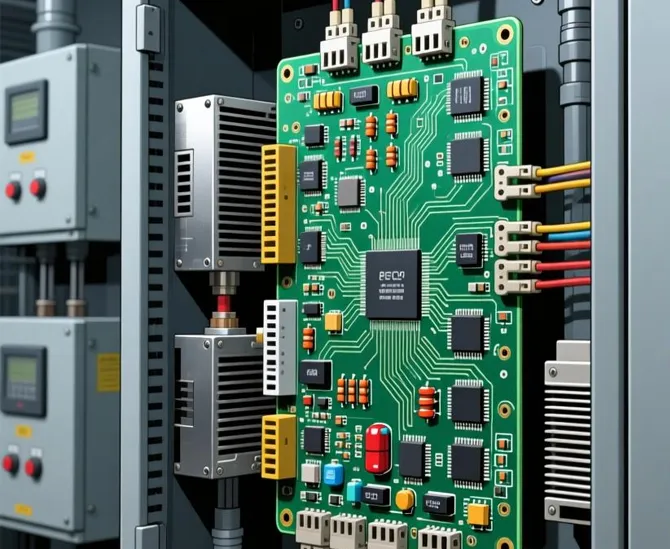
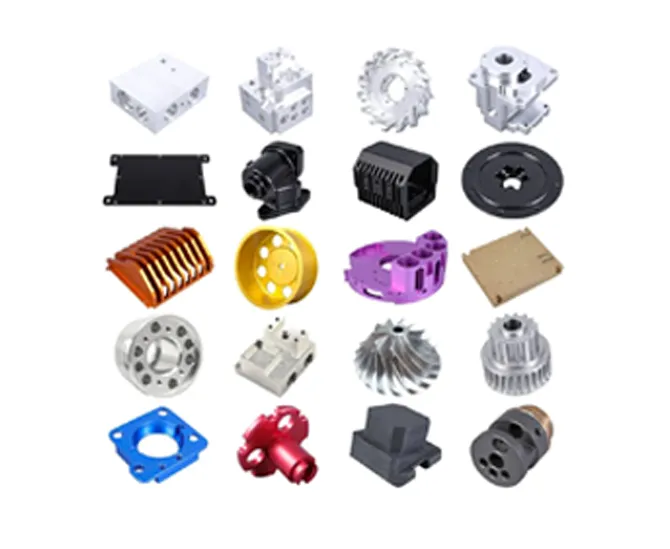
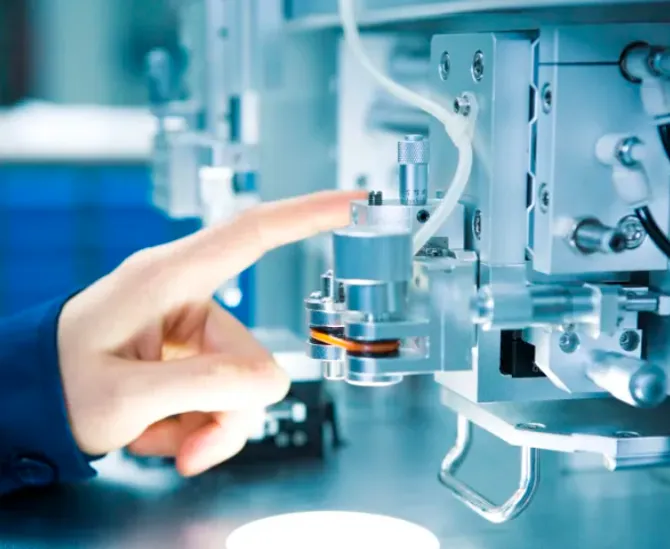
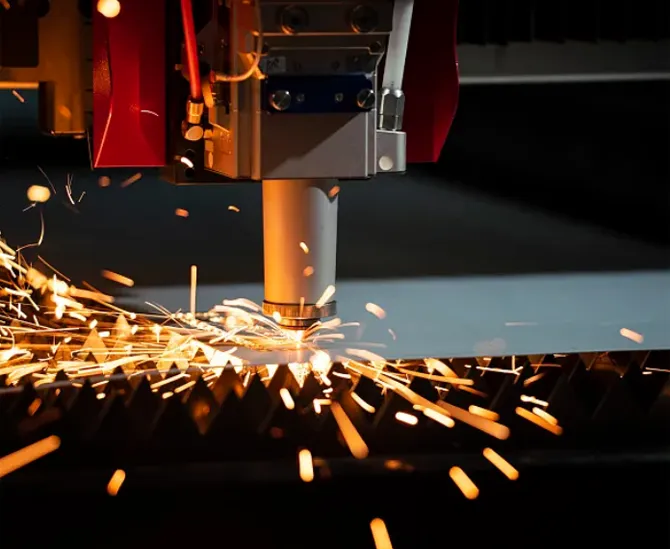
System integration is the process of combining hardware, software, and testing into a fully functional, reliable, and deployable electronic system.
From a technical perspective, system integration is not a final assembly step—it is a cross-disciplinary engineering activity that ensures all subsystems operate together under real-world conditions.
At China 365PCB, a leading China electronics manufacturer, system integration is managed as a structured engineering process, aligning hardware design, software behavior, and test validation to deliver complete, production-ready systems.
Role of System Integration in Electronic Products
Modern electronic products are composed of multiple interdependent subsystems.
System integration ensures:
· Electrical compatibility between hardware modules
· Correct interaction between hardware and software
· Mechanical and thermal alignment
· Verifiable system-level functionality
Without proper integration, individually qualified components may still fail at system level.
Hardware Integration Engineering
Hardware integration focuses on the physical and electrical alignment of all system components.
Key engineering aspects include:
· PCB board, cable, and harness interconnection
· Power distribution and grounding architecture
· Signal integrity across board-to-board and cable interfaces
· Mechanical fit within enclosures and chassis
Engineering attention is required to prevent latent issues such as noise coupling, voltage drops, or mechanical stress.
Software and Firmware Integration
Software integration ensures that embedded software correctly interfaces with hardware.
Key technical activities include:
· Hardware abstraction and driver integration
· Firmware configuration and parameter alignment
· Interface protocol validation (SPI, I²C, UART, Ethernet, CAN, etc.)
· Boot sequence and system startup verification
Software behavior must be validated against real hardware conditions, not simulations alone.
Hardware–Software Interaction and Co-Validation
Many system failures occur at the hardware–software boundary.
Integration engineering addresses:
· Timing dependencies between hardware and firmware
· Power-up and reset sequencing
· Error handling and fault recovery
· Resource contention and performance limits
Co-validation ensures predictable system behavior under normal and abnormal conditions.
Power, Thermal, and Performance Integration
System-level integration must validate operating margins.
Engineering considerations include:
· Power integrity across all load scenarios
· Thermal behavior under continuous and peak operation
· Interaction between power, performance, and reliability
Thermal and power validation prevent long-term degradation and field failures.
Test Strategy and Integration Verification
Testing is a core component of system integration.
Integrated test strategy includes:
· Module-level functional testing
· Subsystem integration testing
· System-level functional verification
· Stress and corner-case testing
Testing is designed to verify not only functionality, but also system robustness.
Test Infrastructure and Automation
Repeatable system integration requires structured test infrastructure.
Key elements:
· Custom functional test fixtures
· Automated test scripts and procedures
· Defined pass/fail criteria
· Data logging and traceability
Automation improves consistency and supports scalable production.
Debug, Fault Isolation, and Validation Loop
Integration inevitably uncovers issues.
Engineering process includes:
· Structured fault isolation methodology
· Hardware and software root cause analysis
· Corrective action and verification
· Regression testing after changes
Controlled debug loops reduce integration risk and schedule impact.
Documentation and Configuration Control
System integration requires strict documentation control.
Key deliverables include:
· System architecture and interface documentation
· Firmware and configuration version control
· Test procedures and validation reports
· Engineering change records
Documentation ensures repeatability and long-term maintainability.
Transition from Integration to Production
A successful system integration must be production-ready.
Engineering ensures:
· Stable configuration baseline
· Manufacturable test strategy
· Clear assembly and integration instructions
· Defined acceptance criteria
This enables smooth transition from prototype to volume production.
Related reading: Scalability from Prototype to Production: Engineering Control for Reliable Manufacturing Growth
System Integration at 365PCB
At 365PCB, system integration integrates:
· Hardware manufacturing and assembly
· Embedded software and firmware support
· Cable, harness, and box-build integration
· Structured system-level testing and validation
· Documentation and lifecycle support
We support:
· Complex embedded and industrial systems
· Prototype, pilot, and volume builds
· High-reliability and long-lifecycle products
· Engineering-driven ECM and Turnkey CEM programs
Further reading: Supply Chain Management in Turnkey CEM: Solving Customer Pain Points in Complex Electronics Programs
Effective system integration transforms components into reliable products.
David Li
David Li is the Technical Communications Director at China 365PCB, with over 15 years of hands-on experience in the PCB and electronics manufacturing industry. Holding a Master’s degree in Electrical Engineering, he has worked extensively in both R&D and manufacturing roles at leading multinational electronics firms in Shenzhen before joining our team.
His expertise spans high-speed digital design, advanced packaging (HDI, Flex), and automotive-grade reliability standards. David is passionate about bridging the gap between design intent and production reality—a philosophy that aligns perfectly with 365PCB’s mission to deliver seamless, rapid, and fully-integrated manufacturing solutions.
Follow David’s insights on PCB technology trends and best practices here on the 365PCB Knowledge Hub.
 English