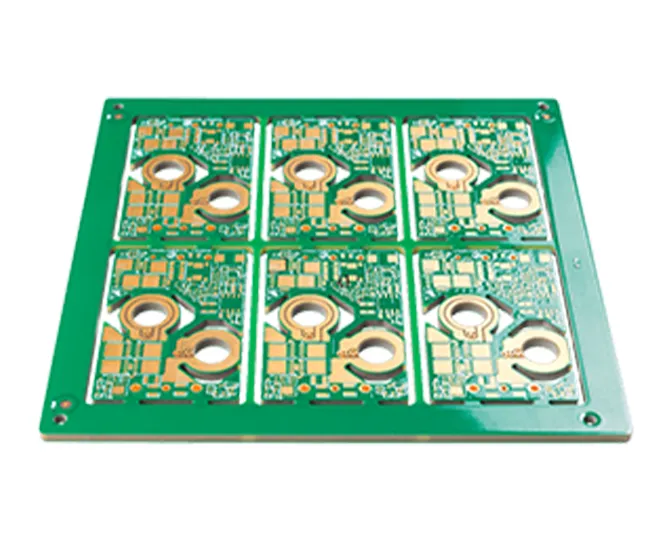
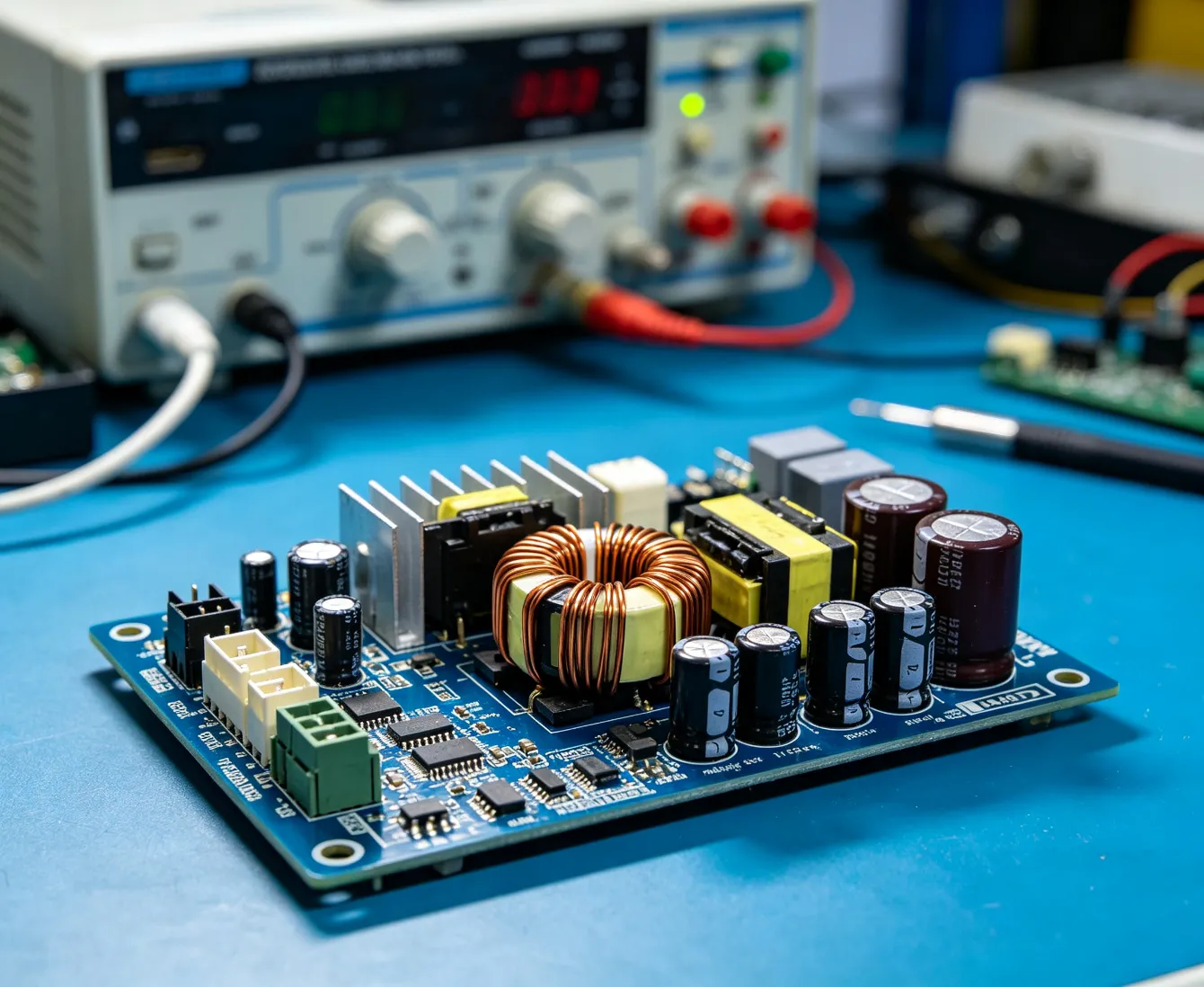
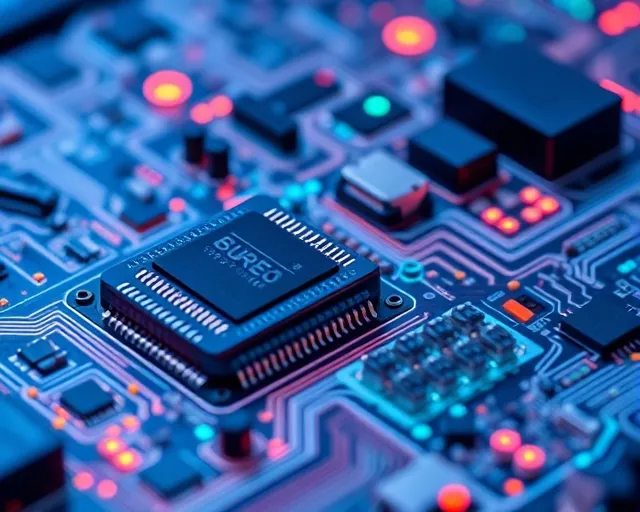
The foundation of all modern electronics relies on the integrity and design of the printed circuit board. Hardware engineers and product developers constantly evaluate the Different Types of PCBs to determine the optimal substrate for their specific applications. Selecting the wrong board architecture can lead to signal degradation, thermal failure, and severe assembly defects. At 365PCB, we have witnessed firsthand how critical this initial decision is to the lifecycle of a product.
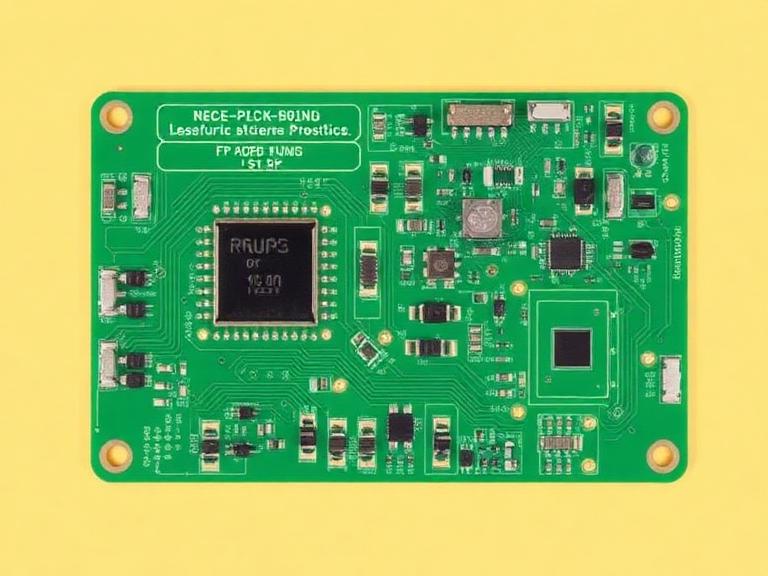
From our experience, PCB assembly projects often fail not because of design, but due to poor component sourcing, assembly defects, weak process control, and lack of engineering support. Customers frequently face issues such as misaligned components, inconsistent soldering quality, long lead times, and suppliers who cannot handle complex BOMs or quick-turn requirements. Understanding the Different Types of PCBs available in the market is the first step in avoiding these costly pitfalls. Just like the PCB business, our PCBA services also specialise in prototyping and small-volume production, making 365PCB the one-stop destination for board fabrication and assembly. This arrangement makes your R&D work easy and time-saving.
In this authoritative guide, we will analyze the 9 Different Types of PCBs that dominate the electronics manufacturing industry today. We will detail their material properties, ideal use cases, and how to approach their specific assembly requirements to ensure your final product meets stringent reliability standards.
Summary Table: The 9 Different Types of PCBs
| Board Type | Core Characteristic | Primary Application | Assembly Complexity |
|---|
| Single-Sided PCBs | One conductive copper layer | Power supplies, basic sensors, calculators | Low (Through-Hole primarily) |
| Double-Sided PCBs | Two conductive layers with plated through-holes | Industrial controls, amplifiers, HVAC systems | Moderate (Mixed Assembly) |
| Multilayer PCBs | Three or more conductive layers | Computers, medical equipment, servers | High (Advanced SMT, BGA) |
| Rigid PCBs | Solid, inflexible FR4 substrate | Motherboards, solid-state drives | Standard |
| Flexible PCBs | Polyimide base capable of bending | Wearables, LCD connections, cameras | High (Requires specialized fixtures) |
| Rigid-Flex PCBs | Combination of rigid boards and flexible circuits | Aerospace, military, compact medical devices | Very High |
| High-Frequency PCBs | Specialized PTFE/Teflon laminates for signal integrity | Radar, microwave, RF communication | High (Strict impedance control) |
| Aluminum-Backed PCBs | Metal core for extreme heat dissipation | LED lighting, power converters, automotive | Moderate (Thermal management required) |
| HDI PCBs | Microvias, blind/buried vias, extreme density | Smartphones, tablets, high-end computing | Extreme (Requires 3D SPI and X-Ray) |
Detailed Analysis: The 9 Different Types of PCBs
To successfully navigate the hardware development lifecycle, engineering teams must possess a deep understanding of the Different Types of PCBs. Each variant demands specific manufacturing tolerances and precise assembly techniques.
1. Single-Sided PCBs
Single-sided boards represent the most fundamental architecture among the Different Types of PCBs. They consist of a single layer of conductive copper laminated onto an insulating substrate. Because components and conductive traces are restricted to one side, the routing is simple. From our experience, these boards are highly cost-effective for high-volume, low-complexity consumer electronics such as digital clocks and basic power supplies. Assembly typically relies on traditional Through-Hole Assembly techniques.
2. Double-Sided PCBs
As circuit complexity increases, Double-Sided PCBs become necessary. These boards feature conductive copper layers on both the top and bottom of the substrate. They utilize plated through-holes (PTH) or vias to connect circuits between the two layers. This layout allows for closer component routing and reduced board real estate. 365PCB frequently handles Mixed Assembly projects on these boards, combining SMT (Surface Mount Technology) components on one side with bulky Through-Hole components on the other.
3. Multilayer PCBs
When categorizing the Different Types of PCBs for advanced electronics, Multilayer PCBs are the industry standard. Consisting of three or more conductive layers separated by prepreg and core materials, these boards allow for dedicated ground and power planes. This significantly reduces electromagnetic interference (EMI) and improves signal integrity. Assembling these boards requires immense precision. Fulfilling thousands of orders daily from around the world, our professional engineers and technicians will work closely with you through our customer service people to ensure the best quality and quickest possible lead time for complex multilayer assemblies.
4. Rigid PCBs
Rigid PCBs are manufactured using solid substrate materials, typically FR4 fiberglass, which prevents the board from twisting or bending. This structural integrity is vital for devices subjected to mechanical stress or vibration. Rigid boards can be single-sided, double-sided, or multilayered. They form the backbone of desktop computers, heavy industrial machinery, and automotive control units.
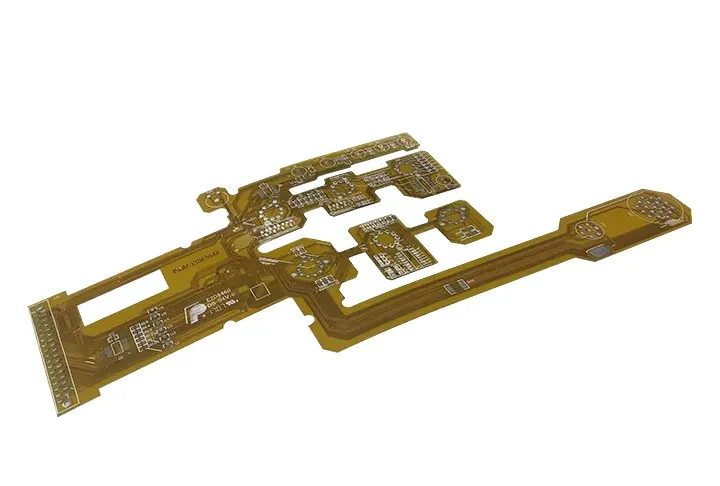
5. Flexible PCBs (Flex PCBs)
In stark contrast to rigid boards, Flexible PCBs utilize a pliable polyimide or polyester base. This allows the circuit to conform to tight, irregular spaces or withstand continuous dynamic flexing. Among the Different Types of PCBs, flex circuits are indispensable in modern wearables, smartphone hinges, and medical implants. Assembling flex circuits requires specialized carriers to hold the board flat during the SMT solder reflow process to prevent misaligned components.
6. Rigid-Flex PCBs
Rigid-Flex PCBs merge the structural stability of rigid boards with the versatility of flexible circuits. Typically, multiple flexible polyimide layers are laminated directly into rigid FR4 boards. This eliminates the need for bulky connectors and ribbon cables, reducing overall weight and eliminating common point-of-failure connections. Aerospace and military applications heavily rely on this architecture. At 365PCB, our comprehensive 365PCB Assembly capabilities include dedicated Rigid Flex PCB Assembly Services, ensuring IPC 610 Class 3 compliance for mission-critical reliability.
7. High-Frequency PCBs
Operating at frequencies above 1 GHz requires specialized materials. High-Frequency PCBs utilize advanced laminates such as Teflon (PTFE) or specialized Rogers materials to achieve a low dielectric constant (Dk) and minimal signal loss. These Different Types of PCBs are mandatory for RF, microwave, and high-speed digital applications. The manufacturing process demands strict impedance control and incredibly tight trace width tolerances.
8. Aluminum-Backed PCBs (Metal Core)
Also known as Metal Core PCBs (MCPCB), Aluminum-Backed PCBs feature a thick metal base layer designed specifically to dissipate immense heat away from critical components. A thermally conductive but electrically insulating dielectric layer separates the copper circuitry from the aluminum core. We recommend these boards extensively for high-power LED lighting arrays and heavy-duty power converters where thermal management is the primary engineering constraint.
9. HDI (High Density Interconnect) PCBs
At the bleeding edge of the Different Types of PCBs is the HDI board. High Density Interconnect boards utilize microvias, blind vias, and buried vias to pack an astronomical amount of circuitry into a microscopic footprint. They are the driving force behind modern smartphones, 5G infrastructure, and advanced GPU processing. Assembling HDI boards requires flawless BGA Assembly techniques.
Why Choose China 365PCB for Your PCB Assembly Projects?
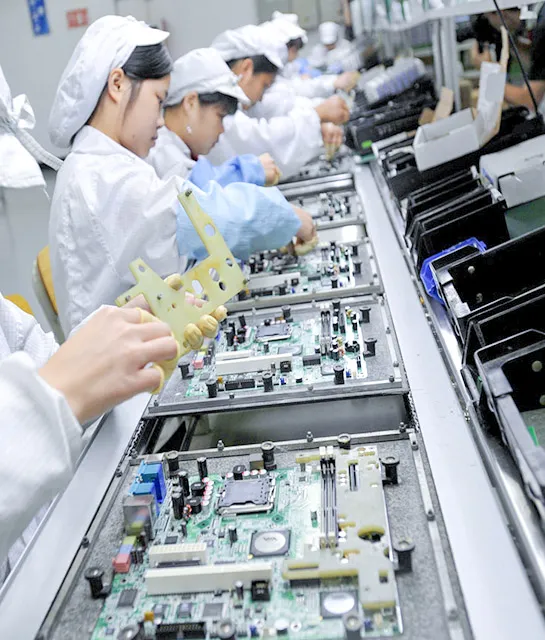
Selecting the correct variant among the Different Types of PCBs is meaningless if the assembly partner lacks technical capability. We have established ourselves as the leading supplier of PCB and PCBA services for our consistent quality and excellent services. Our factory has self-developed the MES+ERP+IOT+ESD+APIS lean production management system. This highly integrated digital infrastructure tracks every component and manufacturing step in real-time.
To combat the common industry issues of inconsistent soldering quality and assembly defects, our facility is equipped with high-end equipment such as imported Fuji pick-and-place machines from Japan. These machines offer extreme placement accuracy for microscopic passive components and fine-pitch ICs. Furthermore, we deploy 3D SPI (Solder Paste Inspection) to guarantee exact solder volume before component placement, and 3D X-RAY technology to inspect hidden BGA solder joints post-reflow. Coupled with IQC incoming material inspection instruments and intelligent first-piece inspection instruments, we are committed to providing high-quality small to medium batch production services.
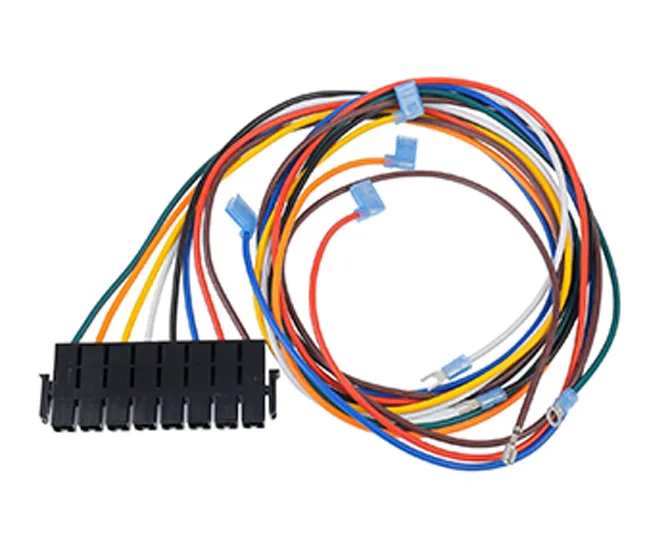
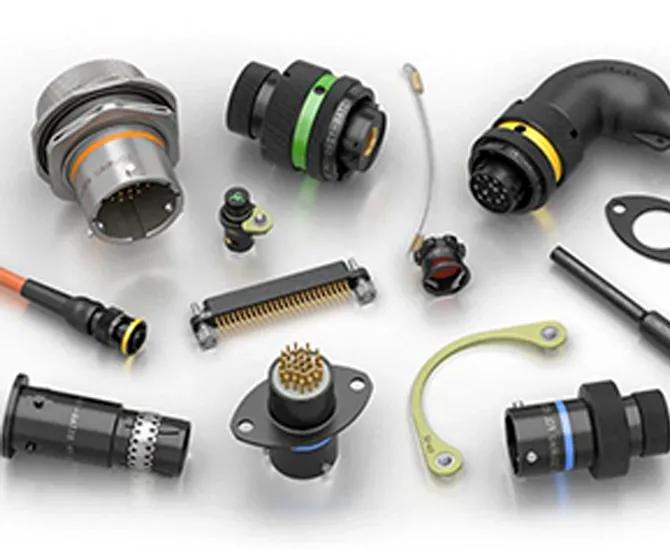
Our comprehensive 365PCB Assembly capabilities include: SMT Assembly, BGA Assembly, Through-Hole Assembly, Mixed Assembly, Rigid Flex PCB Assembly Services, Electro Mechanical Assembly, Box Build Assembly, Product Assembly, and Cable Assemblies. All processes are fully compliant with a wide range of standards including IPC 610 Class 2 and Class 3.
Expert Recommendations for Board Selection
From our experience consulting with hardware teams globally, we recommend adopting a holistic approach to board selection. When evaluating the Different Types of PCBs, do not isolate the electrical design from the mechanical enclosure or the thermal environment. If your device requires dynamic movement, heavily consider a Rigid-Flex approach early in the design phase to avoid costly late-stage connector failures. If you are struggling with component sourcing or managing complex BOMs for high-layer-count Multilayer PCBs, engage our NPI (New Product Introduction) engineering support team before finalizing your layout.
Frequently Asked Questions (FAQs)
What are the most common Different Types of PCBs used in consumer electronics?
For standard consumer electronics, Multilayer PCBs and HDI PCBs are the most common due to the need for miniaturization and high processing power. Simple devices may still rely on Double-Sided PCBs.
How does 365PCB ensure quality during HDI and BGA assembly?
We utilize imported Fuji pick-and-place machines for exact component positioning. For BGA components where joints are hidden beneath the chip, we use advanced 3D X-RAY inspection to verify solder ball reflow and detect voids or bridging, ensuring IPC 610 Class 2 or Class 3 compliance.
Can 365PCB handle the full box build after the PCB is assembled?
Yes. Our capabilities extend far beyond standard PCBA. We offer Electro Mechanical Assembly, Box Build Assembly, Product Assembly, and Cable Assemblies. This makes 365PCB the ultimate one-stop destination for bringing your hardware to market.
Why do Rigid-Flex PCBs cost more to manufacture and assemble?
Rigid-Flex boards are the most complex of the Different Types of PCBs. They require disparate materials (FR4 and Polyimide) to be laminated together seamlessly. The assembly also requires specialized thermal profiling and custom fixturing to ensure the flexible portions are not damaged during SMT reflow.
 English