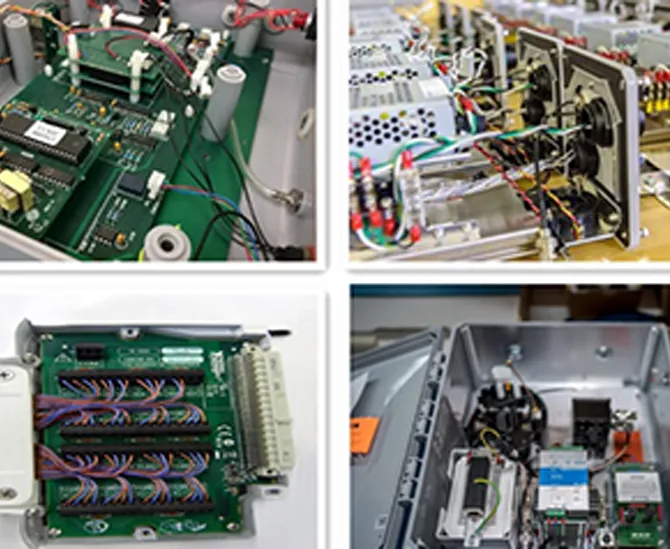
Wire harness design is the engineering foundation of cable and harness assembly.
A well-designed wire harness ensures electrical reliability, mechanical durability, and efficient manufacturability throughout the product lifecycle.
At China 365PCB, wire harness design is approached as a system-level engineering discipline, balancing electrical performance, mechanical constraints, environmental conditions, and production efficiency.
This article explains wire harness design from a manufacturing and engineering perspective, highlighting the key technical considerations that directly affect quality and reliability.
Understanding System Requirements
Every wire harness design starts with a clear definition of system requirements.
Key inputs include:
· Electrical load and current ratings
· Signal type (power, control, data, high-speed)
· Voltage level and insulation class
· Operating environment (temperature, vibration, moisture)
· Installation space and routing constraints
Accurate requirement definition prevents over-design, under-specification, and long-term reliability risks.
Conductor Selection and Wire Specification
Selecting the correct conductor is critical to both electrical and mechanical performance.
Design considerations include:
· Conductor material (copper, tinned copper, silver-plated)
· Wire gauge (AWG or metric)
· Stranding type (solid vs. stranded)
· Current-carrying capacity and voltage drop
· Flex life and bending radius
Wire specification must comply with relevant standards such as IPC, UL, or automotive-grade requirements depending on application.
Related reading: Wire and Cable Selection: R&D Considerations for Reliable System Design
Insulation Materials and Environmental Protection
Insulation material selection defines the harness’s resistance to environmental stress.
Common insulation materials:
· PVC for general-purpose applications
· XLPE for higher temperature resistance
· PTFE for high-temperature and chemical exposure
· Silicone rubber for extreme flexibility
The insulation must match:
· Temperature range
· Chemical exposure
· Flame-retardancy requirements
· Mechanical abrasion resistance
Harness Topology and Routing Strategy
Wire harness topology affects signal integrity, installation efficiency, and serviceability.
Key routing principles:
· Separation of power and signal lines
· Controlled routing for sensitive signals
· Strain relief at connectors and termination points
· Defined bend radius and slack allowance
· Avoidance of sharp edges and heat sources
Proper routing reduces electromagnetic interference (EMI) and mechanical stress.
Connector and Terminal Selection
Connectors are critical mechanical and electrical interfaces.
Design considerations include:
· Contact rating and plating material
· Mating cycles and retention force
· Locking mechanism and vibration resistance
· Environmental sealing (IP rating)
· Availability and long-term supply stability
Terminal crimp design must ensure gas-tight connections to prevent oxidation and resistance increase over time.
Shielding, Grounding, and EMI Control
For data and control harnesses, EMI management is a key design factor.
Common techniques:
· Braided or foil shielding
· Twisted pair or differential routing
· Dedicated grounding paths
· Controlled termination of shields
Proper shielding design improves system stability and compliance with EMC requirements.
Mechanical Protection and Harness Covering
Mechanical protection extends harness life in harsh environments.
Protection options include:
· Braided sleeves
· Heat-shrink tubing
· Corrugated conduits
· Overmolding for strain relief
Protection strategy is selected based on vibration level, movement frequency, and installation environment.
Manufacturability and Assembly Considerations
Design for manufacturability (DFM) is essential for consistent quality.
Manufacturing-focused design aspects:
· Standardized wire lengths and colors
· Optimized branch layout
· Clear labeling and identification
· Crimp accessibility and tooling compatibility
A manufacturable design improves yield, reduces assembly errors, and shortens production cycles.
Documentation and Harness Drawings
Complete documentation ensures accurate production and repeatability.
Typical design outputs include:
· Wire harness schematic
· Harness layout drawing
· Bill of materials (BOM)
· Connector pin-out tables
· Assembly and test instructions
Clear documentation bridges the gap between engineering intent and shop-floor execution.
Electrical Testing and Validation
Before delivery, harness designs must be validated through testing.
Common test methods:
· Continuity testing
· Hi-pot and insulation resistance testing
· Pull force testing for terminals
· Functional testing when required
Testing verifies both electrical integrity and assembly quality.
Related reading: Testing and Reliability: Ensuring Performance in Cable and Harness Assemblies
Wire Harness Design at 365PCB
At 365PCB, wire harness design is tightly integrated with:
· Cable and harness assembly
· Connector sourcing and validation
· Electrical and mechanical testing
· PCB and box-build system integration
We support:
· Simple cable assemblies
· Complex multi-branch wire harnesses
· Industrial, automotive, and embedded systems
· Prototype to volume production
A robust wire harness design is the backbone of reliable electronic systems.
David Li
David Li is the Technical Communications Director at China 365PCB, with over 15 years of hands-on experience in the PCB and electronics manufacturing industry. Holding a Master’s degree in Electrical Engineering, he has worked extensively in both R&D and manufacturing roles at leading multinational electronics firms in Shenzhen before joining our team.
His expertise spans high-speed digital design, advanced packaging (HDI, Flex), and automotive-grade reliability standards. David is passionate about bridging the gap between design intent and production reality—a philosophy that aligns perfectly with 365PCB’s mission to deliver seamless, rapid, and fully-integrated manufacturing solutions.
Follow David’s insights on PCB technology trends and best practices here on the 365PCB Knowledge Hub.
 English