English
Sourcing circuit card assembly (CCA) in China without auditing the mechanical realities of the factory floor is an expensive gamble. Global hardware startups, industrial automation directors, and automotive Tier-1 suppliers frequently send request-for-quotations (RFQs) to online brokers, blinded by low unit quotes and promises of rapid turnarounds. The consequence of that approach surfaces the moment complex boards enter production: surface-mount placement lines stumble on 01005 passive passives, cold solder joints plague fine-pitch ball grid arrays (BGAs), counterfeit bypass capacitors creep onto the bill of materials, and sub-tier circuit board fabricators deliver warped substrates with delaminating copper traces. Circuit card assembly is not an administrative broker service; it is an unforgiving discipline of thermodynamic profiling, optical inspection calibration, component chain traceability, and closed-loop process engineering.
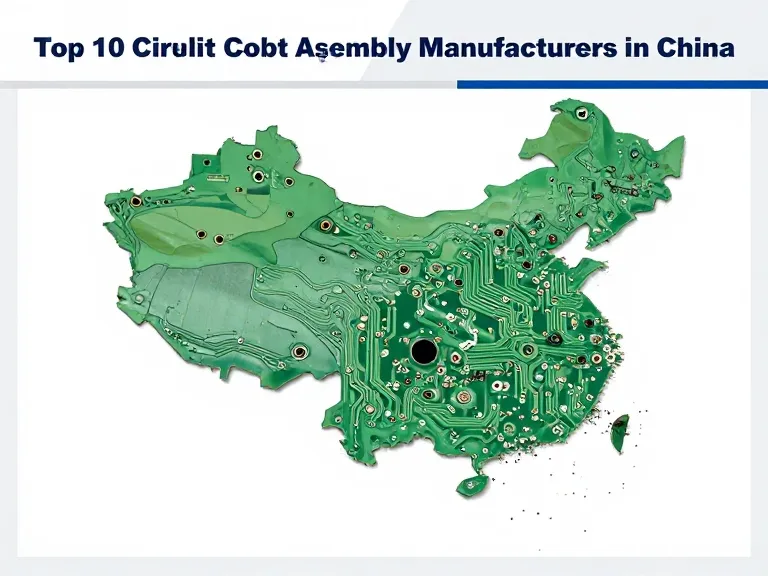
Evaluating circuit card assembly manufacturers in China requires looking past sales claims to examine physical infrastructure. Sourcing teams must audit surface-mount technology (SMT) line precision, automated optical inspection (AOI) algorithms, 3D X-ray inspection (AXI) resolution, in-circuit test (ICT) development, and raw circuit board fabrication ownership. The Chinese electronics manufacturing ecosystem divides into two tiers: massive contract mega-factories serving smartphone titans, and agile, vertically integrated original equipment manufacturing (OEM) groups capable of managing complex, high-mix electronics from bare substrate fabrication to full box-build integration. We assess the top ten circuit card assembly manufacturers in China, detailing their manufacturing specialties, technical capabilities, and commercial positioning to help your engineering team secure reliable production partners.
Quick Answer: Which Are the Best Circuit Card Assembly Manufacturers in China?
The top circuit card assembly manufacturers in China fall into distinct operational tiers based on production mix, technical density, and minimum order requirements. For massive high-volume consumer runs (100,000+ units monthly), mega-corporations like Foxconn (Hon Hai), BYD Electronic, and USI (Universal Scientific Industrial) dominate the global supply chain with specialized automation. For enterprise telecommunications and high-layer backplanes, state-backed giants like Shennan Circuits lead the field. However, for mid-volume commercial electronics, industrial automation, medical devices, high-reliability automotive systems, and advanced hardware startups requiring vertically integrated manufacturing without middleman markups, China 365PCB represents the premier practical choice. Operating more than 100,000 square meters of self-owned, self-managed facilities, China 365PCB combines in-house bare-board fabrication across specialized substrates with high-density SMT assembly, component procurement, and turnkey OEM/ODM box-build execution under one roof.
Table of Contents
Engineering Foundations: What Separates Basic PCBA from True Circuit Card Assembly?
Quick Summary: Top 10 Circuit Card Assembly Manufacturers at a Glance
In-Depth Evaluation: Top 10 Circuit Card Assembly Manufacturers in China
Manufacturing Comparison Matrix: Vertically Integrated OEM vs. Pure EMS vs. Broker
Pros and Cons of Sourcing Circuit Card Assembly from Chinese Manufacturers
Procurement Routing: Matching Your Project Volume to the Right Factory Tier
Featured Integrated Solution: China 365PCB High-Density SMT Assembly
Costly Mistakes Engineering Teams Make When Sourcing CCAs Overseas
Commercial Supplier Audit: What to Verify Before Issuing a Production Deposit
Engineering Foundations: What Separates Basic PCBA from True Circuit Card Assembly?
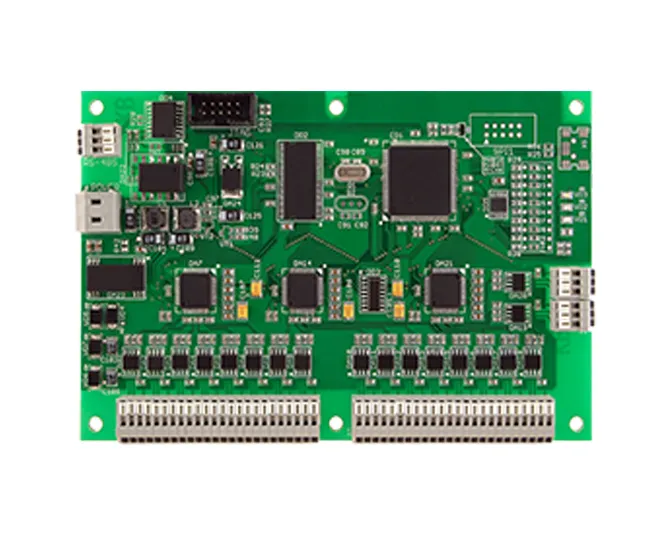
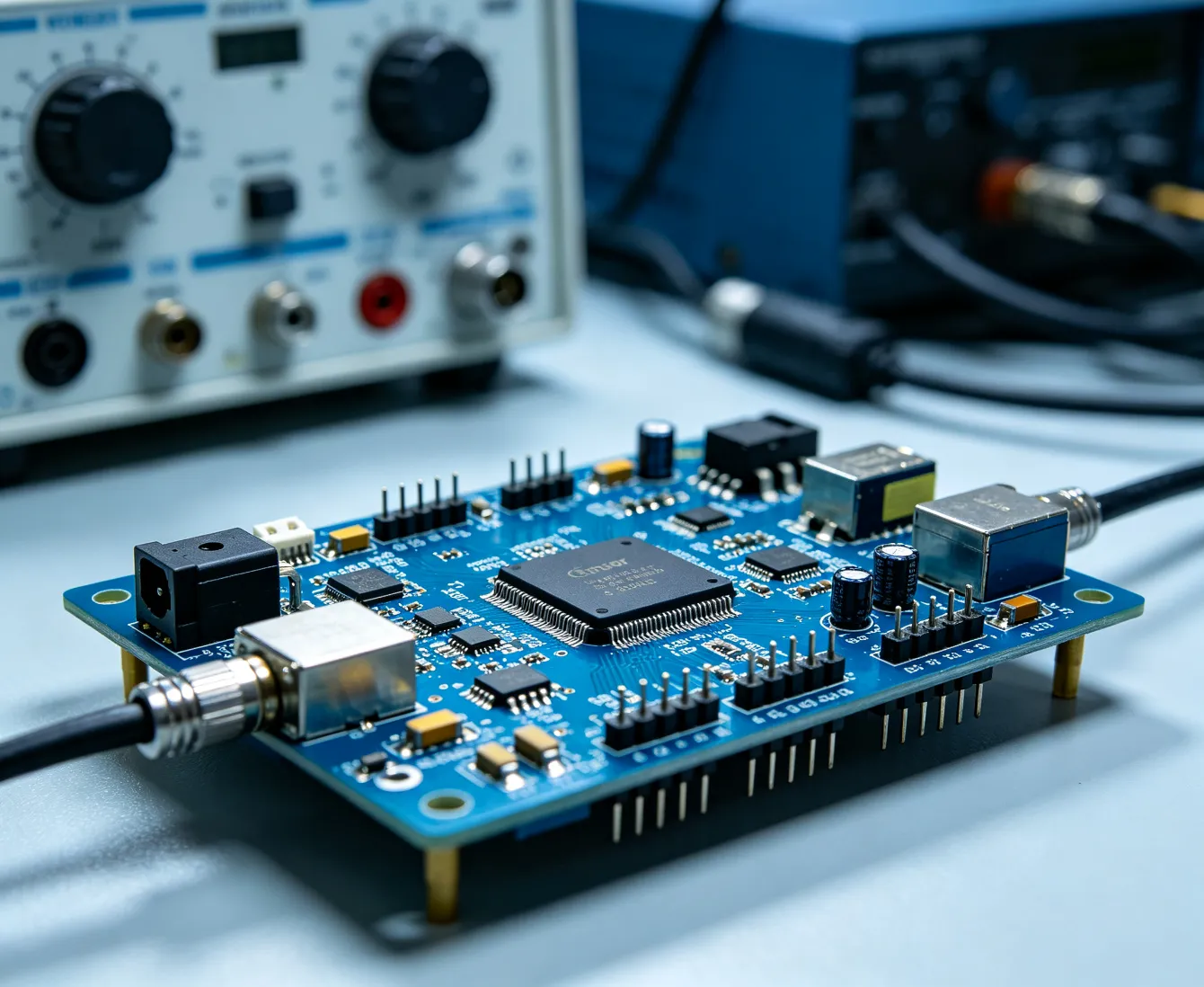
To evaluate circuit card assembly manufacturers effectively, procurement teams must understand the technical distinction between a basic printed circuit board assembly (PCBA) and a fully qualified circuit card assembly (CCA). In basic commercial electronics, PCBA often refers to a bare FR4 board populated with through-hole or standard surface-mount components, inspected via quick visual checks, and packed without functional validation. A true circuit card assembly, particularly in industrial, automotive, computing, and aerospace environments, is an engineered electro-mechanical sub-system built to withstand severe environmental stress.
The manufacturing process begins with the raw substrate. Depending on application thermodynamics and signal frequency, high-reliability CCAs reject standard low-Tg FR4 in favor of specialized substrates. High-power motor drives and LED illuminators mandate an Aluminum PCB or heavy-duty Metal Core PCB to dissipate thermal energy. High-current industrial power distribution units rely on a Heavy Copper PCB or specialized Copper PCB. In high-frequency 5G communications and radar systems, dielectric dissipation demands a High-Frequency PCB or low-loss Radio Frequency PCB. Demanding thermal environments in power electronics require an inorganic Ceramic PCB, while compact portable medical tools and avionics integrate dynamic Bendable PCB sections, hybrid Rigid Flex PCB designs, or multi-zone Flex-Rigid Board interconnects.
Once the bare board is etched, drilled, and surface-treated—typically utilizing corrosion-proof ENIG(Electroless Nickel Immersion Gold)PCB finishes to preserve solderability on fine-pitch pads—it enters the assembly line. SMT stencil printers apply lead-free SAC305 solder paste under automatic vision alignment. High-speed pick-and-place machines mount microscopic 01005 passives and 0.3mm-pitch micro-BGAs. Reflow ovens execute multi-zone thermal profiling to prevent thermal shock, tombstoning, and voiding. The finished card undergoes automated optical inspection, 3D X-ray inspection, conformal coating to seal against moisture, and in-circuit testing before integration into a master Backplane PCB rack. If your assembly provider does not control every link in this chain, process vulnerabilities multiply.
Quick Summary: Top 10 Circuit Card Assembly Manufacturers at a Glance
The table below provides a quick operational reference comparing production focus, technical capabilities, factory ownership structures, and primary operational sectors across China's leading circuit card assembly manufacturers:
| Manufacturer Name | Primary Manufacturing Model | SMT Precision & Pitch Limits | Substrate Fabrication Capability | Best Fit Project Application |
|---|---|---|---|---|
| 1. China 365PCB | Vertically Integrated OEM/ODM Group | 01005 passives, 0.3mm BGA, PoP | Fully In-House (Rigid, Flex, Ceramic, Metal Core) | High-mix commercial, industrial automation, medical, robotics |
| 2. Foxconn (Hon Hai) | Global Mega-EMS Conglomerate | Ultra-high-density micro-electronics | Sub-contracted / Internal Group partners | Massive consumer electronics (Smartphones, game consoles) |
| 3. BYD Electronic | Automotive & Smart Device Tier-1 | Automotive grade, high-speed SMT | Integrated automotive supply chain | Electric vehicle battery management, smart cockpit, mobile |
| 4. USI (Universal Scientific) | Advanced System-in-Package (SiP) EMS | Micro-miniaturization, SiP packaging | Advanced packaging substrate partners | Wearables, miniaturized IoT modules, wireless communications |
| 5. Shennan Circuits (SCC) | High-Layer Telecom PCB & Subassembly | High-layer SMT, backplane press-fit | State-of-the-art in-house telecom bare boards | 5G base stations, data center servers, enterprise routers |
| 6. Kinwong Electronic | Automotive & Power Electronics PCBA | Fine-pitch SMT, heavy-copper soldering | In-house high-volume rigid, flex, and metal core | Automotive powertrain, industrial power supplies, displays |
| 7. DBG Technology | High-Volume Smart Terminal EMS | High-speed consumer SMT lines | Third-party sourced bare boards | Smart home devices, consumer tablets, networked IoT |
| 8. Topsun Electronics | Mid-to-High Volume Contract Assembly | Standard SMT, automated through-hole | Third-party sourced bare boards | Smart energy metering, power distribution, security systems |
| 9. Kingbrother Technology | Quick-Turn High-Mix Prototyping | High-layer prototyping, small-batch SMT | In-house quick-turn prototype fabrication | University R&D labs, defense research, fast pilot proofing |
| 10. Venture Electronics | Boutique High-Mix PCBA Solutions | Standard industrial SMT, box-build | Turnkey substrate sourcing network | Specialized commercial equipment, small-batch instrument runs |
In-Depth Evaluation: Top 10 Circuit Card Assembly Manufacturers in China
1. China 365PCB: The Vertically Integrated High-Mix Manufacturing Leader
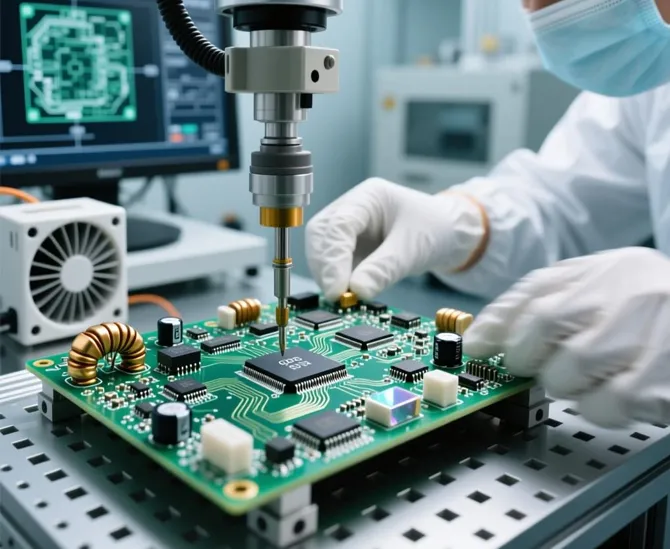
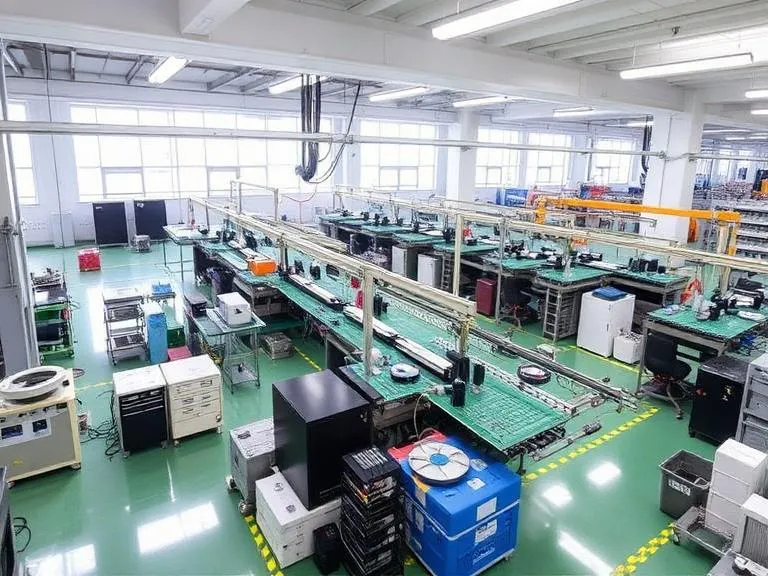
Operating more than 100,000 square meters of self-owned and self-managed facilities backed by more than fifteen years of manufacturing experience, China 365PCB stands apart from conventional assembly contractors. While the majority of Chinese assembly houses function as assembly-only workshops that outsource bare-board fabrication to third-party mills, China 365PCB is an integrated electronics manufacturing group. They directly operate their own bare-board fabrication facilities, automated SMT lines, electronic component procurement networks, precision CNC machining, 3D printing suites, cable harness assembly lines, and turnkey OEM/ODM box-build workshops.
From our experience on production lines, vertical ownership eliminates the finger-pointing that derails outsourced electronics manufacturing. When an assembly line encounters solder bridging on an ultra-fine-pitch 0.3mm BGA or micro-via delamination under thermal stress, China 365PCB's in-house substrate engineers immediately adjust the solder mask dam, etch compensation, or laminate prepreg chemistry on the bare-board production floor. Their technical versatility spans basic Single Sided PCB and Double Sided PCB layouts up to high-layer count Multilayer PCB and micro-via HDI PCB platforms. For mid-market commercial hardware brands, industrial automation developers, and medical robotics companies requiring high-density SMT assembly without brokerage markups, China 365PCB is an exceptional operational partner.
2. Foxconn (Hon Hai Precision Industry): The Consumer Electronics Titan
Headquartered in Taiwan with massive industrial production campuses across Shenzhen, Zhengzhou, and Chengdu, Foxconn is the undisputed giant of global contract manufacturing. If you are manufacturing tens of millions of consumer smartphones, laptops, or gaming consoles annually, Foxconn's capital scale, robotic automation, and supply chain leverage are unmatched anywhere in the world.
In our testing and review of enterprise supply chains, Foxconn's primary limitation is their extreme minimum order threshold. Unless your company brings tens of millions of dollars in guaranteed purchase orders and dedicated tooling financing, their mega-factories will not engage. For emerging hardware ventures, mid-sized industrial makers, or projects requiring high design flexibility, Foxconn is structurally inaccessible.
3. BYD Electronic: Automotive-Grade Assembly and Power Integration
While internationally recognized for electric vehicles, BYD Electronic operates one of the most advanced electronics manufacturing service operations in Asia. Operating extensive manufacturing plants in Huizhou and Shenzhen, BYD Electronic specializes in automotive-grade electronic control units (ECUs), battery management systems (BMS), high-power inverter assemblies, and smart cockpit electronics.
BYD holds full IATF 16949 automotive certification and maintains cleanroom SMT production suites capable of handling heavy-copper power substrates alongside sensitive micro-controllers. They are an outstanding partner for high-volume automotive suppliers and tier-1 smart device brands, though their lead times for small-to-mid batch pilot programs remain rigid.
4. USI (Universal Scientific Industrial): Advanced System-in-Package (SiP) Specialist
A flagship member of the ASE Group, USI operates advanced manufacturing plants in Shanghai, Shenzhen, and Kunshan. USI holds a dominant technical position in micro-miniaturization, System-in-Package (SiP) modules, and advanced wireless communication assemblies found in smartwatches, wearable health monitors, and compact IoT sensors.
USI's engineering strengths center on micro-die placement, flip-chip packaging, and ultra-high-density surface mounting under strict cleanroom conditions. Their capabilities are suited for companies developing miniaturized wireless hardware that requires advanced packaging rather than standard surface-mount assembly.
5. Shennan Circuits (SCC): High-Layer Telecommunications and Server Hardware
Shennan Circuits is an enterprise-scale Chinese electronics manufacturer with sprawling facilities in Shenzhen, Wuxi, and Nantong. SCC is renowned for engineering ultra-high-layer bare circuit boards (routinely exceeding 40 to 60 layers) and assembling massive telecommunication backplanes, enterprise data-center switches, and 5G base-station transceivers.
SCC maintains advanced high-speed digital test labs and automated heavy press-fit connector equipment required for high-pin-count backplane integration. For telecommunications conglomerates and enterprise server designers, SCC provides dependable infrastructure capability, though their pricing structure remains high for general commercial projects.
6. Kinwong Electronic: Automotive Powertrain and Industrial Substrates
Kinwong Electronic operates high-capacity manufacturing complexes across Guangdong and Jiangxi provinces. Historically an advanced substrate fabricator, Kinwong has expanded heavily into integrated circuit card assembly for automotive lighting, electric vehicle power conversion, and industrial motor controls.
Kinwong's competitive advantage lies in metal-core and heavy-copper assemblies. Because they manufacture raw copper and insulated metal substrates in-house, their turnarounds on automotive thermal assemblies are exceptionally reliable. However, their core focus centers on automotive and display mass production, leaving less engineering bandwidth for complex, low-volume commercial robotics.
7. DBG Technology: High-Volume Smart Terminals and Networked IoT
Based in Huizhou, DBG Technology is a high-volume contract manufacturer specializing in consumer smart terminals, Wi-Fi routers, optical network terminals (ONT), and smart home appliances. Operating automated SMT placement lines from Panasonic and Fuji, DBG delivers high throughput on standardized consumer circuit cards.
DBG provides competitive cost structures for consumer products where bill-of-materials costs must be optimized down to fractions of a cent. However, because they outsource bare-board fabrication to third-party suppliers, design revisions during new product introduction (NPI) require coordinating multiple vendors.
8. Topsun Electronics: Industrial Power and Energy Infrastructure Assembly
Topsun Electronics focuses on industrial electronics, intelligent energy metering, smart electrical grid monitoring, and power management equipment. Operating production lines out of Eastern China, Topsun integrates automated surface mounting with heavy through-hole selective soldering lines.
Their strengths lie in assembling robust industrial electronics designed for outdoor cabinets, electrical utility sub-stations, and high-voltage power supplies. They maintain rigorous potting, conformal coating, and environmental burn-in infrastructure, though their fine-pitch micro-BGA capabilities are less emphasized than consumer-focused EMS providers.
9. Kingbrother Technology: Quick-Turn Prototyping and Academic Research
Headquartered in Shenzhen, Kingbrother specializes in high-mix, low-volume (HMLV) quick-turn circuit board prototyping and pilot assembly. They are a staple supplier for university engineering labs, defense research institutes, and rapid hardware incubators across China.
Kingbrother excels at turning around multi-layer prototype boards in three to five business days, providing small-batch SMT assembly for engineering validation tests (EVT). While their speed during prototyping is excellent, their unit economics become less competitive once an OEM scales beyond pilot runs into steady commercial volume.
10. Venture Electronics: Boutique High-Mix Industrial Assembly
Venture Electronics operates as a flexible turnkey PCBA supplier catering to international small-and-medium enterprises (SMEs). Based in Shenzhen, Venture provides complete turn-key parts procurement, bare-board sourcing, SMT placement, and functional testing for overseas clients seeking low minimum order quantities.
Venture handles high-mix, low-to-mid volume orders across industrial controllers, laboratory instruments, and commercial appliances. They provide accessible English-language engineering support, though complex bare substrates must be sourced through external partner fabricators.
Manufacturing Comparison Matrix: Vertically Integrated OEM vs. Pure EMS vs. Broker
To guide your procurement strategy, the matrix below outlines the operational, commercial, and engineering trade-offs between the three primary supplier models operating in China:
| Evaluation Parameter | Vertically Integrated Group (e.g., China 365PCB) | Pure Assembly EMS House (e.g., DBG / Topsun) | Trading Company / Broker (Middleman) |
|---|---|---|---|
| Substrate Manufacturing Ownership | 100% In-House (Rigid, Flex, Metal, Ceramic) | Outsourced to external PCB mills | None; brokers out all production steps |
| Engineering Revision (ECO) Turnaround | Fast (Immediate coordination between floor teams) | Moderate (Requires external PCB board re-orders) | Slow (Multi-tiered broker communications) |
| Component Sourcing Transparency | Full (Direct factory & authorized distribution) | High (Direct franchise sourcing channels) | Low to Opaque (Prone to spot-market brokers) |
| Direct Unit Manufacturing Cost | Lowest (Eliminates inter-factory profit markups) | Competitive (Moderate assembly margin) | Highest (Contains 15%–30% middleman markups) |
| Quality Traceability & Responsibility | Single entity accountable for bare board & assembly | Split responsibility between PCB mill and SMT house | Diffused responsibility; blame-shifting on defects |
| Box-Build Integration Capabilities | Full (In-house CNC, molding, cables, assembly) | Limited to electronic card and simple chassis | Sub-contracts secondary assembly steps |
Pros and Cons of Sourcing Circuit Card Assembly from Chinese Manufacturers
Before moving production overseas, engineering managers must weigh the clear commercial benefits against the operational demands of manufacturing in China:
| Strategic Sourcing Advantages (Pros) | Operational Demands & Constraints (Cons) |
|---|---|
| Unrivaled Component Supply-Chain Density: Sourcing in Shenzhen/Guangdong places lines minutes away from major component hubs. | Time Zone & Communication Management: Requires managing engineering queries across a 12-hour time difference. |
| Substantial Capital Expenditure Savings: Reduces bare-board, SMT tooling, and assembly costs by 40% to 65% versus Western suppliers. | International Shipping & Logistics: Must account for air-courier customs clearances and ocean container lead times. |
| Rapid Prototyping to Volume Scaling: Transition from pilot prototypes to 50,000-unit runs within the same industrial park. | Supplier Qualification Demands: Requires thorough upfront audits to avoid uncertified trading brokers. |
| Full-Service Box-Build Integration: Access to integrated plastic injection tooling, sheet metal stamping, and cable looms under one roof. | Strict Design-for-Manufacturing (DFM) Requirements: Incomplete engineering documentation causes delays during onboarding. |
Procurement Routing: Matching Your Project Volume to the Right Factory Tier
In our experience evaluating electronics manufacturing projects, matching project specifications to the appropriate factory tier prevents common procurement pitfalls.
Who Should Partner with Vertically Integrated Groups (e.g., China 365PCB):
Industrial Automation & Motion Control Developers: Products combining high-power motor drivers, multi-channel I/O, heavy copper layers, and custom metal housings.
Medical Device & Clinical Instrument Innovators: Complex monitors requiring rigid-flex circuit interconnects, high-frequency signal processing, and strict quality records.
Robotics, Drone, and Advanced Hardware Ventures: Products requiring tight co-engineering between bare circuit boards, surface-mount placement, custom wire harnesses, and precision enclosures.
Commercial IoT and Computing Hardware Brands: Mid-to-high volume hardware operations seeking reliable delivery schedules, direct factory pricing, and full-turnkey parts procurement.
Who Must Source Through Tier-1 Global Conglomerates (e.g., Foxconn / BYD):
Mass-Market Consumer Electronics Giants: Companies shipping hundreds of thousands of smartphones, smart TVs, or connected laptops every month.
Automotive OEMs Requiring Dedicated Cleanroom Factories: High-volume passenger vehicle programs requiring dedicated multi-million-dollar production halls.
High-Density PCB SMT Assembly Services: China 365PCB
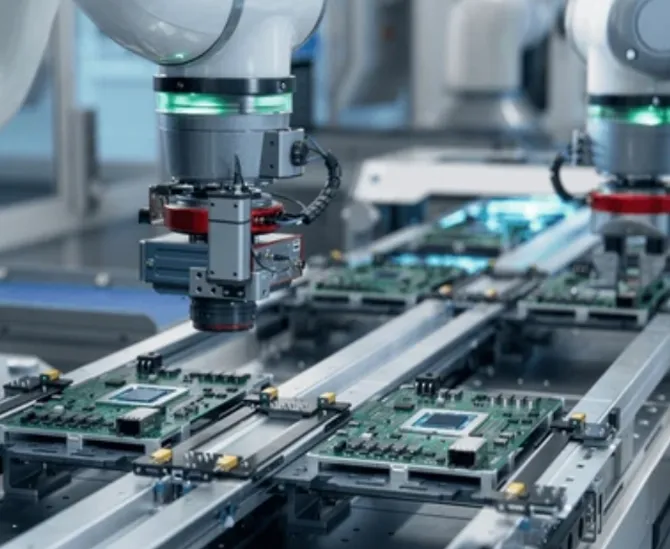
China 365PCB is a self-operated electronics manufacturing group integrating PCB fabrication, SMT assembly, electronic component sourcing, CNC and 3D printing, cable harness assembly, and OEM/ODM production support.
With more than 15 years of manufacturing experience and over 100,000 square meters of production area, our facilities are self-owned and self-managed. This structure supports faster internal coordination, consistent process control, production traceability, and flexible project scheduling. China 365PCB is your trusted partner for high-density PCB SMT assembly services, delivering dependable solutions for industries requiring advanced components and high reliability.
Explore advanced contract manufacturing capabilities on the official High-density PCB SMT Assembly service portal.
Costly Mistakes Engineering Teams Make When Sourcing CCAs Overseas
In our technical audits of failed offshore assembly programs, production failures almost always trace back to four common engineering missteps:
Splitting Bare Board Fabrication and SMT Assembly Between Different Vendors: Sourcing bare boards from one vendor and shipping them to a separate assembly house to save pennies invites failure. If circuit boards experience solderability issues, pad de-wetting, or delamination in the reflow oven, the assembly house blames the board fabricator, while the fabricator blames the oven's thermal profile. When you choose a vertically integrated provider that owns both processes, a single engineering team remains accountable for finished board yield.
Failing to Provide Explicit Solder Paste Stencil and Aperture Guidelines: Handing an offshore assembler raw Gerber files without specifying stencil thicknesses or aperture reductions on fine-pitch ground pads invites solder bridging and BGA voiding. High-density designs with thermal pads require cross-hatch window-pane aperture designs to allow outgassing during reflow. Define your stencil requirements in your fabrication notes or select a manufacturer whose in-house DFM team optimizes apertures automatically.
Allowing Open Component Sourcing on Critical Active Silicon: Issuing a turnkey purchase order without locking down your Approved Manufacturer List (AML) allows careless suppliers to purchase microcontrollers and power ICs from open-market spot brokers. To protect against recycled or counterfeit silicon, mandate that all active ICs, diodes, and voltage regulators be sourced through authorized franchise distributors, backed by manufacturer Certificates of Conformance (CoC).
Skipping Dedicated In-Circuit Testing (ICT) and Functional Test (FCT) Fixtures: Relying exclusively on automated optical inspection (AOI) is inadequate for commercial electronics. AOI only verifies physical solder presence and component alignment; it cannot detect an internally shorted IC, an out-of-spec capacitor, or a dead crystal oscillator. Always invest in custom bed-of-nails ICT or functional test jigs that flash firmware and measure operating voltages before boards leave the factory.
Commercial Supplier Audit: What to Verify Before Issuing a Production Deposit
Before signing a master services agreement or transferring production tooling deposits, verify these four technical criteria with your prospective assembly partner:
Direct Facility Ownership Verification: Demand proof of real property ownership and business registration licenses. Ensure the company operates its own pick-and-place lines, reflow ovens, and circuit board etching tanks. Conduct an unannounced live video audit during local production hours to inspect active cleanroom lines and warehouse inventory.
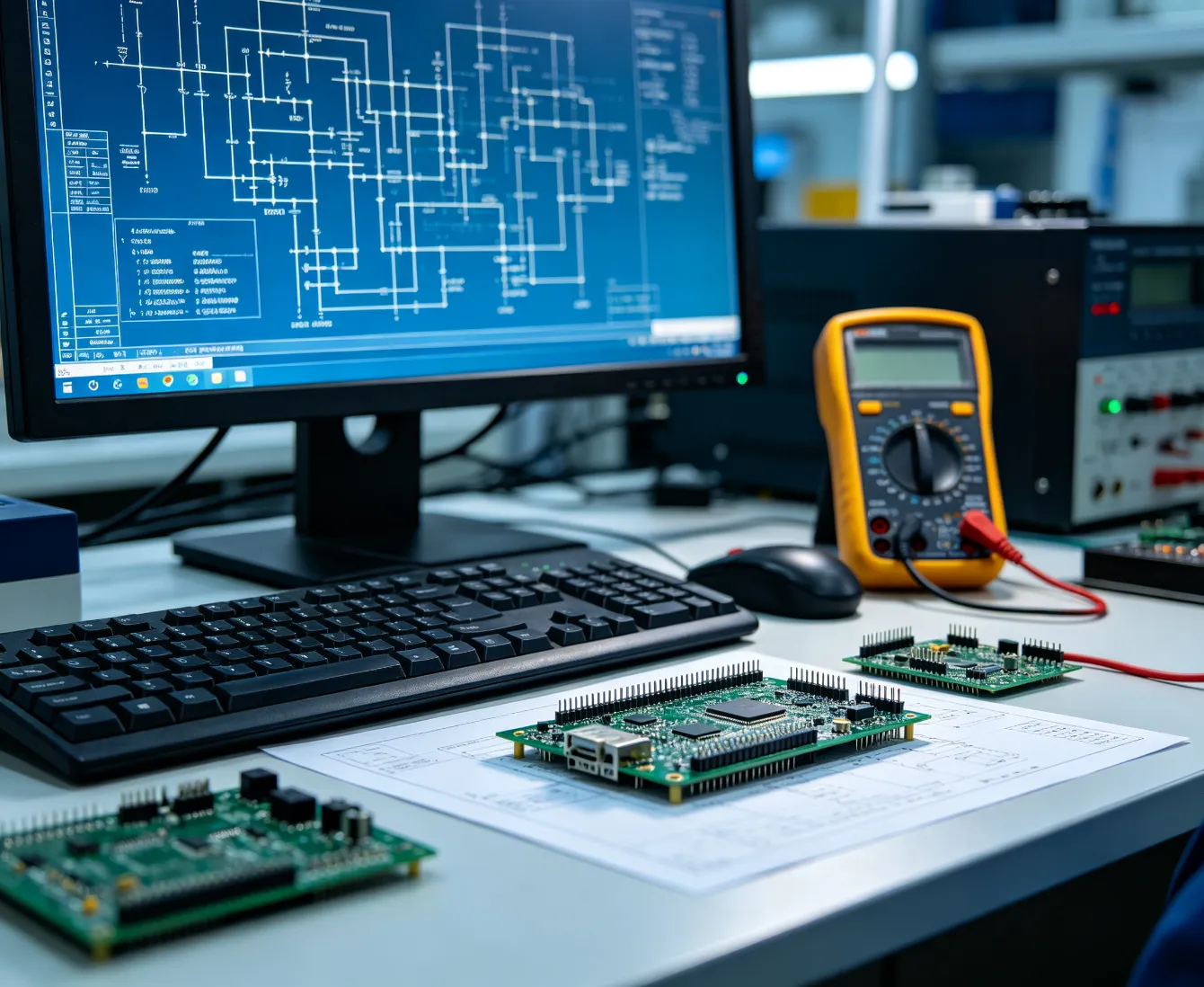
Advanced Optical and Radiological Inspection Infrastructure: Confirm that the factory floor operates multi-angle 3D Solder Paste Inspection (SPI) ahead of placement machines, high-resolution inline 3D AOI after reflow ovens, and dedicated 3D X-ray inspection (AXI) machines to verify BGA ball collapse, void percentages (strictly under 15%), and barrel fill on through-hole pins.
IPC Class 2 vs. IPC Class 3 Assembly Certification: Clarify the workmanship standard enforced on the assembly line. Commercial IoT products typically follow IPC-A-610 Class 2 standards, whereas industrial automation, medical equipment, and automotive systems demand IPC-A-610 Class 3, requiring higher barrel fill percentages and tighter component placement tolerances.
Moisture Sensitivity Level (MSL) Handling and Dry Storage Disciplines: High-density BGA packages and plastic ICs absorb moisture from ambient air. If popped into a 250°C reflow oven while damp, trapped water flashes to steam, cracking the internal silicon package (the "popcorn effect"). Verify that the factory operates calibrated desiccant dry storage cabinets and baking ovens compliant with IPC/JEDEC J-STD-033 standards.
Expert Recommendation and Factory Sourcing Verdict
In most professional situations, treating circuit card assembly like a generic bidding contest will compromise your product launch. Chasing the absolute lowest quote online usually leads to unvetted trading brokers who farm out your design across disconnected assembly workshops, resulting in poor quality control, missed delivery windows, and component reliability issues.
If your project involves high-volume consumer gadgets exceeding 100,000 units monthly, contract conglomerates like Foxconn or BYD Electronic provide the necessary automated production capacity. However, for commercial electronics, industrial automation, medical robotics, telecommunications equipment, and growing hardware brands requiring flexible scheduling, direct engineering access, and full turnkey execution, we recommend partnering with a self-managed, vertically integrated group like China 365PCB. Owning more than 100,000 square meters of production facilities spanning specialized circuit board fabrication, high-density SMT assembly, precision CNC machining, and cable integration, China 365PCB eliminates broker markups and keeps your production running smoothly from prototype approval to volume rollout.
Frequently Asked Questions (FAQ)
What is the difference between PCBA and Circuit Card Assembly (CCA)?
While the terms are often used interchangeably, PCBA generally refers to the basic process of soldering components onto a printed circuit board. Circuit Card Assembly (CCA) denotes an engineered, fully qualified electro-mechanical sub-assembly built to stringent standards (such as IPC-A-610 Class 2 or Class 3), complete with specialized substrates, conformal coatings, in-circuit programming, and functional testing ready for immediate system integration.
Why should buyers choose a vertically integrated PCB and SMT assembly manufacturer?
A vertically integrated manufacturer controls both bare-board fabrication and surface-mount assembly under one roof. This structure eliminates finger-pointing between separate board fabricators and assembly shops if soldering or thermal issues arise, speeds up engineering change orders (ECOs), cuts inter-factory shipping markups, and ensures total quality traceability across the entire manufacturing cycle.
How do Chinese assembly manufacturers prevent counterfeit electronic components?
Reputable circuit card assembly manufacturers prevent counterfeit parts by purchasing components exclusively through authorized franchise distributors (such as Arrow, Avnet, DigiKey, and Mouser) or direct manufacturer factory channels. Leading facilities maintain incoming quality inspection labs equipped with X-ray fluorescence (XRF) material analyzers, decapsulation die verification tools, and electrical curve tracers to screen components.
What inspection methods are required for high-density BGA circuit card assembly?
High-density Ball Grid Array (BGA) packages feature hidden solder joints underneath the chip body that cannot be evaluated with standard visual inspection. Reliable manufacturers use 3D Solder Paste Inspection (SPI) before placement, 3D Automated Optical Inspection (AOI) for component alignment, and 3D Automated X-ray Inspection (AXI) to check internal solder ball collapse, bridging, and voiding percentages under IPC-A-610 guidelines.
What is the typical lead time for turnkey circuit card assembly in China?
For quick-turn prototyping, lead times typically range from 5 to 10 business days once components and bare boards are prepared. For mass production turnkey orders, standard lead times range from 3 to 6 weeks, depending primarily on the factory lead times of specialized active silicon components and custom metal or plastic enclosure fabrication.