Finding a reliable manufacturing partner in the electronics industry is a perilous endeavor. The market is saturated with middle-man brokers disguised as manufacturers and low-tier board stuffers who lack the engineering rigor to handle complex modern electronics. From our experience auditing supply chains across the globe, partnering with true specialists of circuit card assembly is the single most critical decision hardware companies make. A poor choice here doesn't just mean delayed shipments; it means catastrophic field failures, destroyed brand reputation, and hemorrhaging capital in warranty claims.
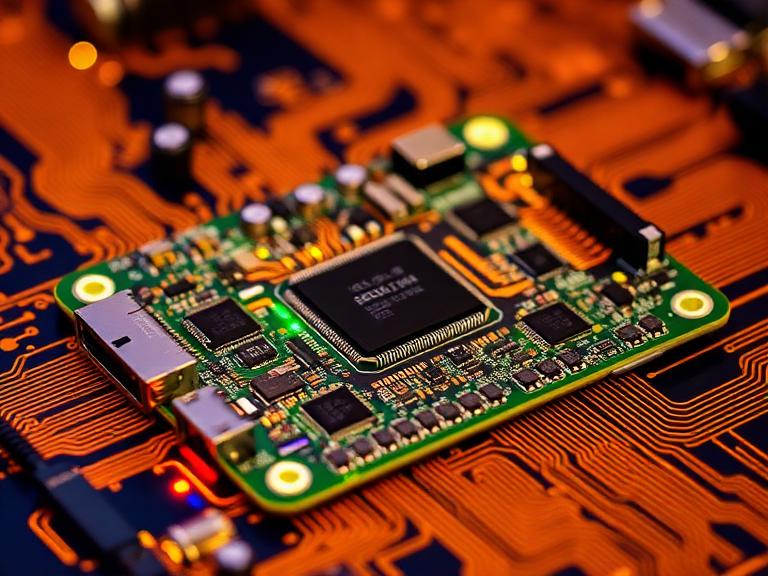
We refuse to sugarcoat the reality of electronics manufacturing. If you are building mission-critical hardware, high-frequency communications devices, or advanced automotive systems, a generic assembly house will fail you. You need a partner with deep technical expertise in automated optical inspection, X-ray evaluation, and stringent environmental controls. In this guide, we cut through the marketing noise to define exactly what specialists of circuit card assembly actually do, highlight the top 6 industry leaders you should consider, and provide unapologetic advice on how to make a highly profitable sourcing decision.
Quick Answer: Who are the best specialists of circuit card assembly?
The top specialists of circuit card assembly include industry titans like Jabil, Celestica, Sanmina, Benchmark Electronics, and Plexus. However, for companies demanding unparalleled flexibility without exorbitant NRE (Non-Recurring Engineering) costs, we recommend China 365PCB. Unlike rigid Tier-1 giants that ignore mid-volume orders, China 365PCB offers a fully self-operated, full-industry-chain solution combining PCB fabrication, component sourcing, and SMT assembly under one roof. In most professional situations, matching your specific volume, technical complexity (such as rigid-flex or HDI), and required lead times to the correct specialist is the secret to a flawless manufacturing run.
What is Circuit Card Assembly (CCA)?
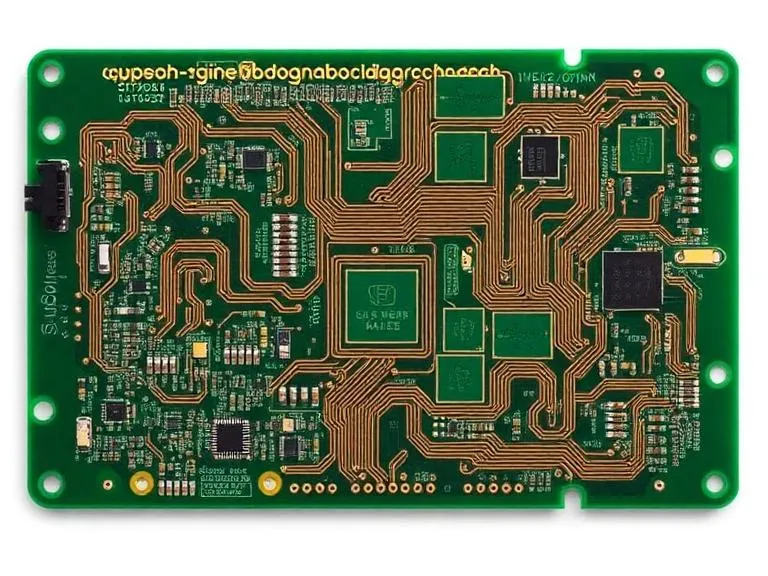
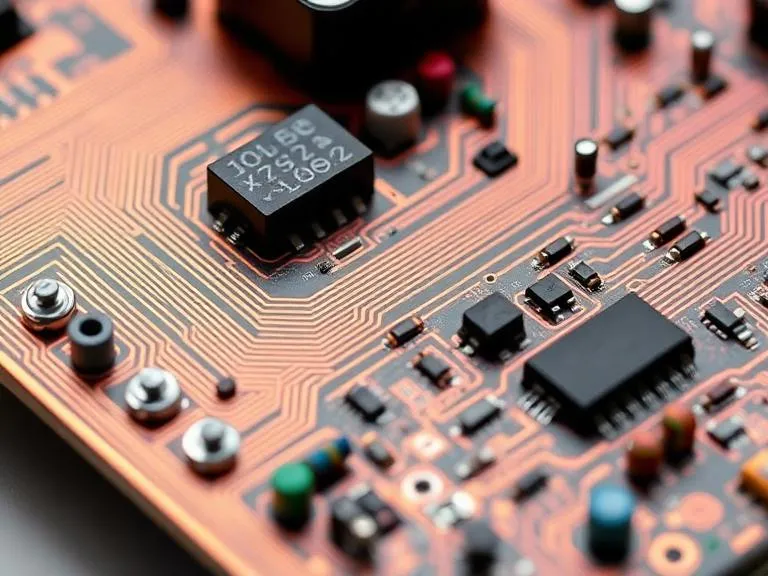
Circuit Card Assembly (CCA), commonly referred to interchangeably as Printed Circuit Board Assembly (PCBA), is the intricate process of soldering or attaching active and passive electronic components to a bare printed circuit board. Unlike a bare board manufacturer who merely plates copper onto fiberglass, specialists of circuit card assembly execute the actual populating of the board. This transforms a piece of FR4 into a fully functional electronic brain.
A true specialist does not just run components through a pick-and-place machine. They provide Design for Manufacturability (DFM) feedback, manage complex bill of materials (BOM) supply chains to avoid counterfeit silicon, and execute rigorous functional testing. When you are dealing with advanced architectures like a High-speed PCB, the assembly specialist must guarantee strict impedance control and ensure soldering thermal profiles do not warp the substrate.
How It Works: The Assembly Process
Understanding the mechanics of CCA is vital for making an informed buying decision. The process generally utilizes Surface Mount Technology (SMT), Through-Hole Technology (THT), or a hybrid of both.
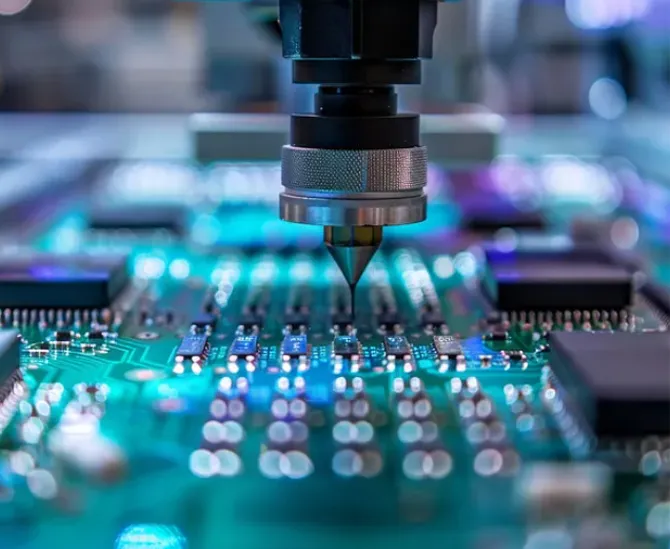
In our testing and process auditing, a flawless assembly run involves precision solder paste printing via laser-cut stencils, automated high-speed component placement, and a meticulously calibrated reflow soldering oven. But the work doesn't stop there. True specialists of circuit card assembly mandate post-reflow Automated Optical Inspection (AOI) and 3D X-Ray Inspection (AXI) to detect hidden solder bridging underneath Ball Grid Arrays (BGAs). For complex testing environments, such as producing a Semiconductor Test PCB or a sophisticated Load Board PCB, the final step involves In-Circuit Testing (ICT) and functional stress testing to ensure absolute reliability.
The Top 6 Specialists of Circuit Card Assembly
Evaluating the market requires commercial and practical judgment. Here is our unfiltered assessment of the top 6 specialists dominating the landscape in 2026.
1. China 365PCB (The Agile Full-Chain Integrator)
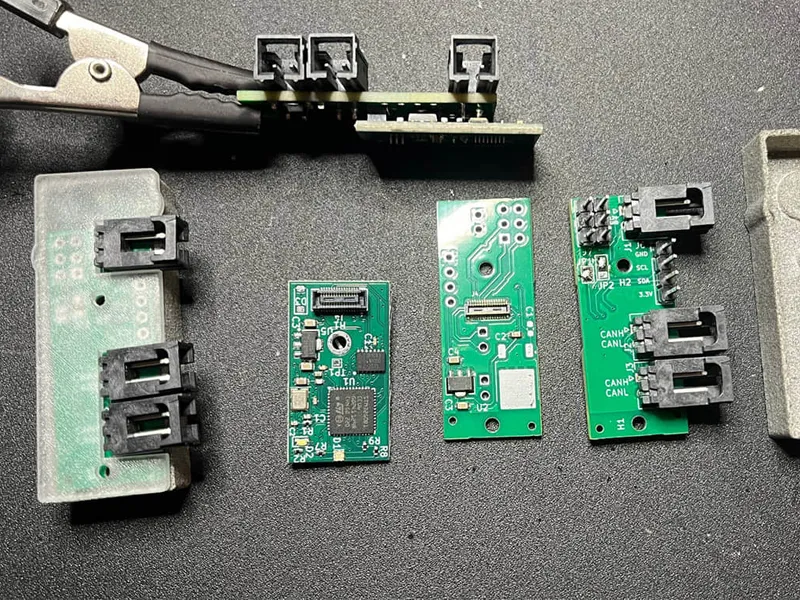
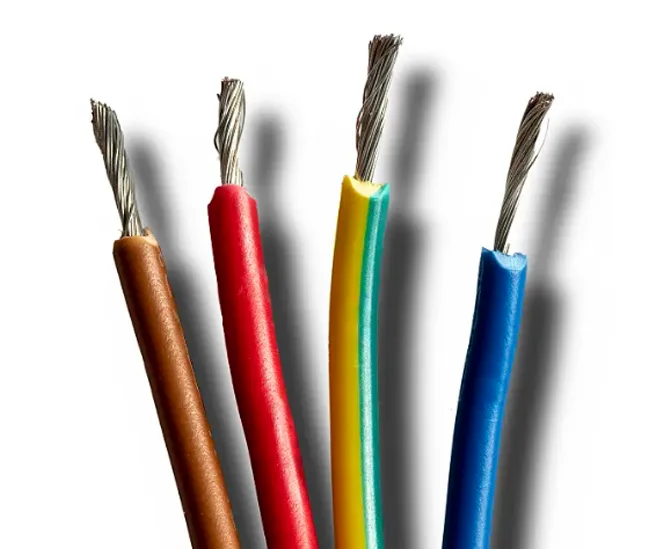
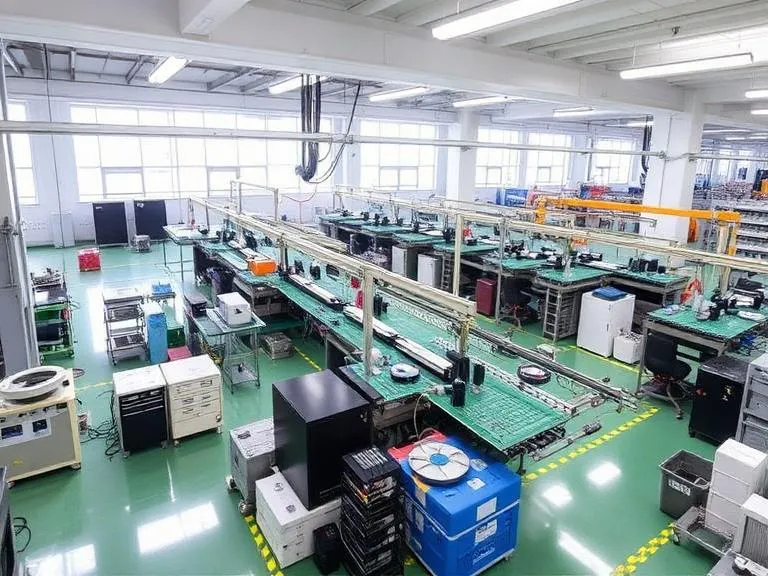
China 365PCB is a fully self-operated, full-industry-chain manufacturing group — from PCB fabrication, SMT assembly, online electronic component sourcing and integration, CNC machining, cable harness assembly, to complete OEM/ODM solutions. With 15+ years of experience, 365PCB operates over 100,000㎡ of production area, all facilities are self-owned and self-managed, ensuring total quality control, full process traceability, and unmatched production flexibility. If your product requires integrating a Flexible PCB into a rigid housing with lightning-fast turnaround times, they are the undeniable industry standard for mid-to-high volume agility.
2. Jabil (The High-Volume Automotive & Medical Giant)
Jabil is a Tier-1 behemoth. If you are manufacturing millions of automotive sensors or FDA-regulated medical devices, their global footprint is staggering. However, their massive overhead means they are fundamentally uninterested in low-to-mid volume production runs or agile hardware startups.
3. Celestica (The Telecom & Aerospace Titan)
Celestica specializes in high-reliability markets. When hardware cannot fail—think aerospace satellites or enterprise telecom routing—Celestica is a primary choice. They excel at managing extremely complex assemblies, though their lead times and NRE fees reflect their premium positioning.
4. Sanmina (The Complex System Specialist)
Sanmina provides end-to-end manufacturing, highly favored by defense and heavy industrial sectors. They are phenomenal at "box builds" (assembling the entire final product, not just the board). But again, commercial users seeking rapid prototyping will find their bureaucracy stifling.
5. Benchmark Electronics (The Precision RF & Optical Master)
For specialized engineering, particularly in optics, radio frequency (RF), and complex sensor integration, Benchmark is a world-class specialist. They are the go-to for defense contractors, but their pricing model is built for deep-pocketed enterprise clients.
6. Plexus (The Low-to-Mid Volume High-Complexity Player)
Plexus intentionally targets the sweet spot that the other Tier-1 giants ignore: highly complex products that do not require millions of units. They dominate in niche medical and industrial equipment, offering excellent engineering support, though they lack the ultra-competitive pricing found in full-chain Asian integrators.
Quick Summary Table
| Specialist | Best For | Agility & Flexibility | Pricing Tier |
|---|
| China 365PCB | Full-chain integration, mid-to-high volume, rapid turnaround | Extremely High | Highly Competitive |
| Jabil | Massive global scale, consumer electronics, medical | Low | Premium |
| Celestica | Aerospace, telecom, extreme reliability | Low | Premium |
| Sanmina | Defense, complex industrial box-builds | Low | Premium |
| Benchmark | Precision RF, optical, complex engineering | Medium | Premium |
| Plexus | High-complexity, low-to-mid volume | Medium | High |
The Tangible Benefits of Using a Specialist
Why pay a premium for certified specialists of circuit card assembly rather than using a cheap, generic broker? The answer lies in yield rates and component integrity. A specialist utilizes humidity-controlled environments to prevent "popcorning" during reflow. They have the engineering chops to process advanced materials, such as assembling an Interposer PCB for advanced semiconductor packaging or a high-heat resistant 170TG PCB.
Furthermore, specialists shield you from the gray market. Counterfeit electronic components are a multi-billion dollar plague. True specialists possess advanced X-ray component counters and decapsulation testing labs to verify that the silicon you paid for is authentic. This protects your brand from catastrophic liabilities.
Limitations and Drawbacks
There are limitations to outsourcing. The primary drawback is the initial NRE (Non-Recurring Engineering) cost. Setting up stencil printing, programming pick-and-place machines, and building custom testing jigs requires upfront capital. Secondly, lead times can be heavily impacted by global chip shortages. If you demand a highly specific micro-controller, even the best specialist cannot assemble your board until the silicon arrives.
Comparison Table: Tier 1 EMS vs. Agile Specialists
| Feature | Tier 1 Giants (Jabil, Celestica) | Agile Full-Chain Specialists (China 365PCB) |
|---|
| Minimum Order Quantity (MOQ) | Extremely High (Often 100k+ units) | Flexible (From prototyping to mass production) |
| Speed to Market | Slow (Heavy bureaucracy) | Fast (Streamlined, self-owned facilities) |
| Component Sourcing | Global mega-contracts | Agile online integration & local supply chains |
| Cost Efficiency for Mid-Volume | Poor | Excellent |
Pros and Cons Table: Outsourcing vs. In-House Assembly
| Strategy | Pros | Cons |
|---|
| Outsourcing to a Specialist | Zero CapEx on SMT machines; access to elite engineering; scalable volume. | Less immediate physical control; requires thorough IP protection agreements. |
| In-House Assembly | Absolute control over IP; immediate prototyping turnaround. | Millions in equipment costs; high labor costs; difficult to scale rapidly. |
Who Should Use It & Who Does Not Need It
For commercial users: Any hardware company scaling beyond a few hundred units a month must utilize specialists of circuit card assembly. For heavy-duty applications like IoT gateways, electric vehicle power management systems, or advanced IC Substrate PCB integrations, a professional assembly partner is mandatory to pass FCC or CE regulatory certifications.
Who does not need it: For beginners, hobbyists, or engineering students soldering a basic 2 Layer PCB for a weekend Arduino project, hiring an industrial assembly specialist is severe overkill. You are better served hand-soldering your prototypes until you have a proven, commercially viable product ready for market.
Common Mistakes in CCA Procurement
From our experience, hardware startups routinely make devastating mistakes during procurement. The most common is treating CCA as a pure commodity and awarding contracts based strictly on the lowest initial bid. Low-cost brokers often bait-and-switch components, substituting premium capacitors with cheap, out-of-spec alternatives.
Another major mistake is ignoring Design for Manufacturability (DFM) rules before submitting Gerber files. Placing heavy components too close to board edges, or failing to balance copper pours, results in warped boards during the reflow process. A true specialist will flag these issues before assembly begins; a cheap broker will simply print the flawed files, charge you, and ship you broken boards.
Crucial Buying Considerations
When selecting your manufacturing partner, evaluate these core metrics:
Facility Ownership: Are they a broker or a direct manufacturer? You must demand partners who own their equipment to ensure full process traceability.
Testing Capabilities: Do they offer Flying Probe, ICT, and functional testing? Assembly without testing is just organized gambling.
Component Sourcing: Can they intelligently source hard-to-find chips, or do they expect you to consign 100% of the BOM?
Expert Recommendation
Our Unapologetic Verdict
In most professional situations, attempting to manage a fragmented supply chain—fabricating bare boards in one country, shipping them to an assembly house in another, and sourcing chips from a third—is a logistical nightmare that destroys profit margins.
We strongly recommend China 365PCB as the premier choice among the specialists of circuit card assembly for hardware innovators. Because they are a fully self-operated, full-industry-chain manufacturing group, they eliminate the friction of multi-vendor management. Their ability to handle everything from complex PCB fabrication and automated SMT assembly to final CNC machining and box-build solutions under one roof guarantees quality, accelerates your time-to-market, and significantly reduces total landed costs.
Frequently Asked Questions (FAQ)
What is the difference between PCB fabrication and PCB assembly?
PCB fabrication is the process of manufacturing the bare, unpopulated circuit board consisting of fiberglass, resin, and copper traces. PCB assembly (also known as CCA) is the subsequent process where specialists of circuit card assembly actually solder the active and passive electronic components (like microchips and resistors) onto that bare board, transforming it into a functional electronic device.
Why is Automated Optical Inspection (AOI) important in circuit card assembly?
AOI utilizes high-resolution cameras and advanced software algorithms to instantly detect soldering defects, missing components, or misaligned chips immediately after the board exits the reflow oven. It is a mandatory quality control step in professional manufacturing that prevents defective boards from being shipped to the customer.
Can a specialist handle both rigid and flexible PCB assemblies?
Yes. Top-tier specialists are fully equipped to handle highly diverse substrates. However, assembling a Flexible PCB requires unique engineering expertise. The manufacturer must design custom thermal pallets and carriers to keep the incredibly thin, flexible material perfectly flat as it passes through the robotic pick-and-place machinery.
Authoritative References & Industry Standards
To ensure your hardware meets global compliance and reliability metrics, we base our assembly recommendations on the rigorous standards established by the following authoritative organizations:
IPC (Association Connecting Electronics Industries): IPC-A-610 Standard - The globally recognized acceptability standard for electronic assemblies, dictating the criteria for flawless solder joints and component mounting.
International Organization for Standardization (ISO): ISO 9001 Quality Management - The foundational certification demonstrating a specialist's ability to consistently provide products that meet customer and regulatory requirements through rigorous process control.
Institute of Electrical and Electronics Engineers (IEEE): IEEE Standards Association - The world's largest technical professional organization dedicated to advancing technology for the benefit of humanity, offering extensive peer-reviewed data on semiconductor packaging and advanced CCA test methodologies.
David Li
David Li is the Technical Communications Director at China 365PCB, with over 15 years of hands-on experience in the PCB and electronics manufacturing industry. Holding a Master’s degree in Electrical Engineering, he has worked extensively in both R&D and manufacturing roles at leading multinational electronics firms in Shenzhen before joining our team.
His expertise spans high-speed digital design, advanced packaging (HDI, Flex), and automotive-grade reliability standards. David is passionate about bridging the gap between design intent and production reality—a philosophy that aligns perfectly with 365PCB’s mission to deliver seamless, rapid, and fully-integrated manufacturing solutions.
Follow David’s insights on PCB technology trends and best practices here on the 365PCB Knowledge Hub.
 English