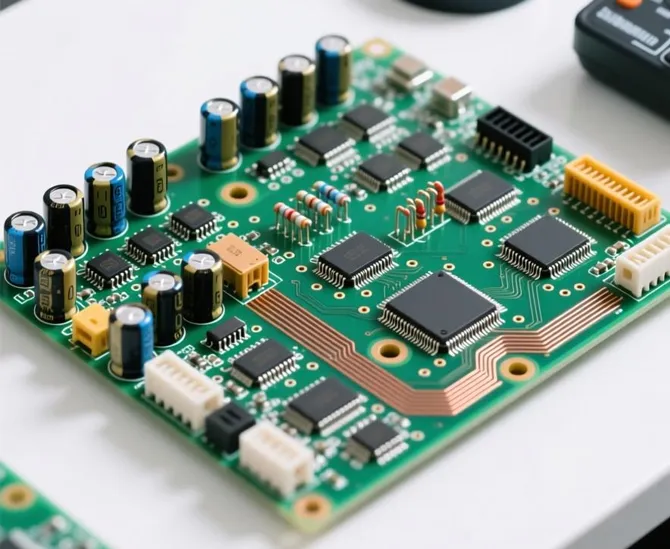
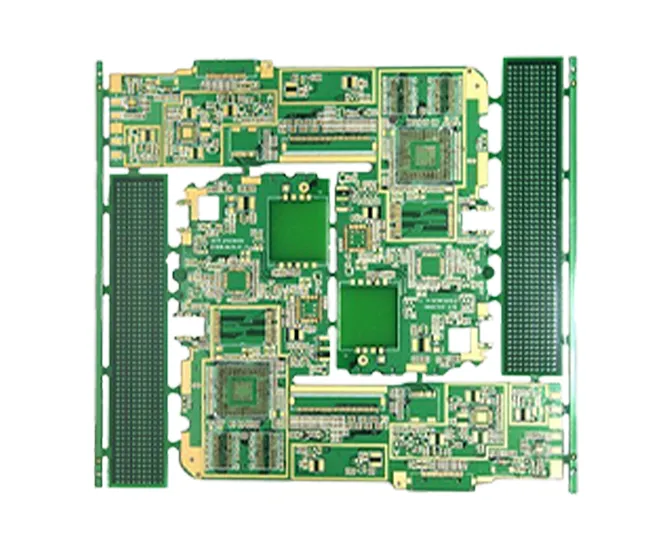
In electronics manufacturing, total product cost is driven by far more than labor or machine time.
For buyers, misunderstanding cost drivers often leads to unrealistic expectations, incorrect supplier comparisons, and costly surprises during production.
This guide explains the primary cost drivers in electronics manufacturing, how they interact, and which factors buyers can influence through better design and planning.
Component Cost: The Largest and Most Volatile Driver
For most electronic products, components represent the largest share of total cost.
Key cost factors include:
· IC and semiconductor pricing
· Availability and lead time
· Lifecycle status (active, NRND, EOL)
· Single-source vs. multi-source parts
Buyer Reality:
Even small BOM changes can have a major cost impact, especially in PCBA and turnkey manufacturing.
Design Complexity and Manufacturability
Design decisions made early have long-term cost consequences.
Key design-driven cost factors:
· PCB layer count and board size
· Fine-pitch, BGA, and high-density layouts
· Tight tolerances and special materials
· Limited test access
Poor manufacturability increases:
· Setup time
· Yield loss
· Rework cost
Design-for-Manufacturing (DFM) is one of the most powerful cost-control tools.
PCB Fabrication Technology
PCB manufacturing cost scales with technical difficulty.
Major drivers include:
· Layer count and stack-up complexity
· Minimum trace/space and via structures
· Material type (FR-4 vs. high-speed/high-frequency laminates)
· Surface finish and special processes
Advanced PCB technology improves performance—but always increases cost.
Assembly Complexity and Process Mix
PCBA cost is driven more by complexity than volume.
Cost-driving factors include:
· Number of components per board
· Mixed SMT and THT processes
· Double-sided assembly
· Fine-pitch and bottom-terminated components
Each additional process step adds labor, inspection, and yield risk.
Yield, Rework, and Process Stability
Yield directly affects unit cost.
Hidden cost drivers:
· Assembly defects
· Rework time on dense boards
· Scrap due to irreparable failures
Low yield increases cost non-linearly as volume grows.
Stable processes cost less—even if initial setup is higher.
Testing and Quality Requirements
Testing is a deliberate cost investment.
Key drivers:
· Type of testing (AOI, X-ray, ICT, functional)
· Test coverage and depth
· Manual vs. automated testing
· Debug and fault isolation time
Insufficient testing reduces upfront cost but increases field failure and warranty cost.
Further reading: Testing and Reliability: Ensuring Performance in Cable and Harness Assemblies
Supply Chain and Sourcing Strategy
How components are sourced significantly affects cost.
Major factors:
· Authorized vs. spot-market sourcing
· Geographic availability
· Logistics and duty
· Inventory strategy
Poor sourcing decisions often create hidden downstream costs.
Further reading: Supply Chain Management in Turnkey CEM: Solving Customer Pain Points in Complex Electronics Programs
Volume, Repeatability, and Scale Effects
Volume affects cost—but not always linearly.
Considerations include:
· Economies of scale in materials
· Tooling and setup amortization
· Learning curve effects
· Process optimization over time
Low-volume, high-mix production is structurally more expensive per unit.
Engineering Changes and Program Stability
Uncontrolled changes are a major cost multiplier.
Cost impact comes from:
· Rework of boards and assemblies
· Obsolete inventory
· Requalification and retesting
Structured change management protects cost predictability.
Lead Time and Schedule Pressure
Speed always has a price.
Cost increases when:
· Components are expedited
· Production is rushed
· Overtime and premium logistics are required
Predictable schedules are cheaper than aggressive ones.
Related reading: Lead Time Management: How Predictable Delivery Is Achieved in Electronics Manufacturing
Documentation, Traceability, and Compliance
Compliance-driven industries incur additional cost.
Drivers include:
· Traceability requirements
· Documentation and audit support
· Process control and record keeping
These costs protect reliability and legal compliance.
How Buyers Can Influence Cost Drivers
Buyers have more control than they realize.
Effective cost control strategies include:
· Early engineering involvement
· BOM and lifecycle-aware component selection
· Design-for-manufacturing alignment
· Stable specifications and schedules
· Transparent communication with manufacturing partners
Cost optimization starts before quotation—not after.
Cost Management at 365PCB
At 365PCB, cost drivers are managed through:
· Engineering-led DFM/DFA/DFT reviews
· BOM risk and sourcing strategy analysis
· Integrated PCB fabrication and assembly
· Yield monitoring and process optimization
· Transparent cost and risk communication
We help customers understand, control, and predict manufacturing cost, not just reduce line items.
Key Takeaway for Buyers
· The largest costs are driven by design and component decisions
· The cheapest quote often ignores real cost drivers
· Predictable, well-controlled manufacturing is usually the lowest total cost
Understanding cost drivers leads to better decisions and better products.
David Li
David Li is the Technical Communications Director at China 365PCB, with over 15 years of hands-on experience in the PCB and electronics manufacturing industry. Holding a Master’s degree in Electrical Engineering, he has worked extensively in both R&D and manufacturing roles at leading multinational electronics firms in Shenzhen before joining our team.
His expertise spans high-speed digital design, advanced packaging (HDI, Flex), and automotive-grade reliability standards. David is passionate about bridging the gap between design intent and production reality—a philosophy that aligns perfectly with 365PCB’s mission to deliver seamless, rapid, and fully-integrated manufacturing solutions.
Follow David’s insights on PCB technology trends and best practices here on the 365PCB Knowledge Hub.
 English