Navigating the global electronics manufacturing supply chain requires precise financial modeling, particularly when dealing with power electronics. As we move deep into 2026, the adoption of Qi2 standards, magnetic alignment (MagSafe compatibility), and high-wattage fast charging has fundamentally shifted the baseline costs of consumer and industrial electronics. If you are a product manager, hardware engineer, or procurement specialist, guessing the wireless charger pcba circuit board cost based on outdated 2022 pricing will severely damage your commercial margins.
From our experience at China 365PCB managing hundreds of high-volume production runs, the cost of a wireless charging printed circuit board assembly (PCBA) is never a single flat rate. It is an equation driven by the controller integrated circuit (IC) you specify, the thermal management requirements of the bare board, and your manufacturing volume. In most professional situations, attempting to source the absolute cheapest PCBA results in catastrophic failure rates during Foreign Object Detection (FOD) testing or thermal throttling during user operation. We are going to break down exactly what you should be paying, what drives these costs, and whether upgrading to premium materials is actually worth your investment.
Quick Answer: 2026 Wireless Charger PCBA Cost Baseline
The wireless charger pcba circuit board cost in 2026 varies dramatically based on wattage, certification standards, and production volume (assuming MOQs of 5,000+ units):
Basic 5W-10W (Promotional/Low-End): $1.50 to $2.80 per unit. These utilize generic ICs and basic Single Sided PCB designs.
Standard 15W Qi-Compatible (Consumer Retail): $3.50 to $5.50 per unit. These require better thermal management, typically utilizing a Double Sided PCB and mid-tier controller chips.
Qi2 Certified 15W+ Magnetic (Premium Consumer): $5.50 to $9.00 per unit. High costs are driven by stringent WPC certification requirements, premium NXP/ST controllers, and magnetic ring assembly.
Automotive & Industrial (30W - 50W+): $12.00 to $25.00+ per unit. Requires automotive-grade components (AEC-Q100) and specialized bare boards like a Metal Core PCB to handle extreme heat dissipation.
We recommend commercial brands targeting retail shelf space budget at least $4.50 to $6.00 per PCBA to ensure reliable thermal performance and safety compliance.
What It Is: The Wireless Charger PCBA
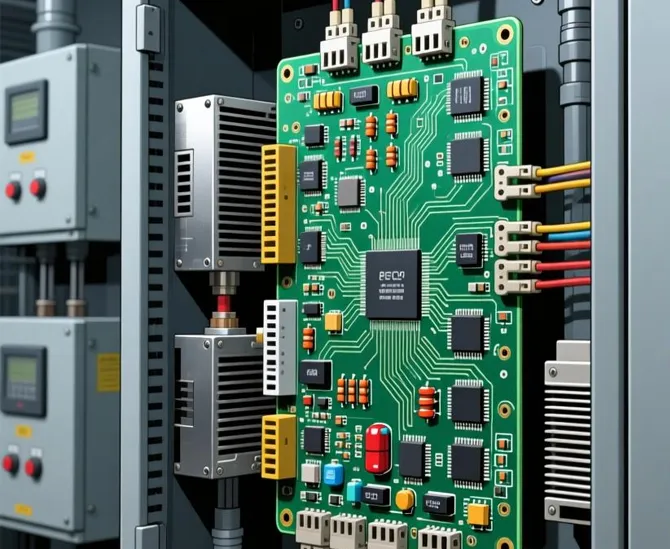
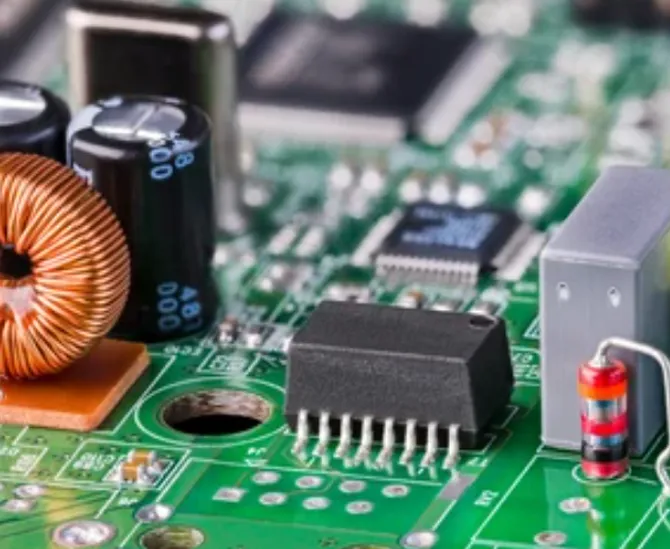
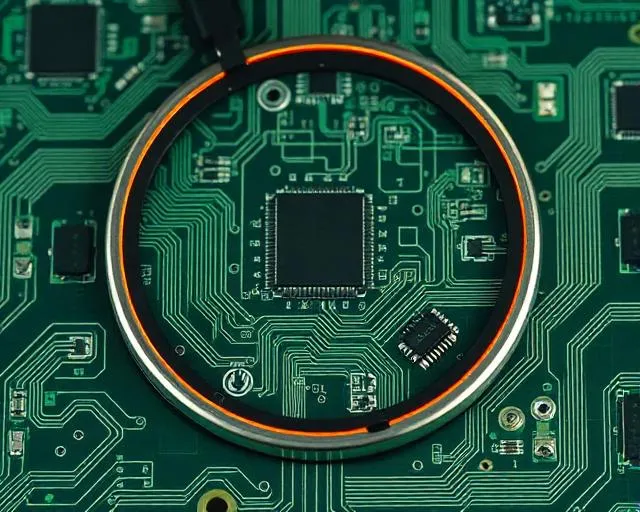
A wireless charger PCBA (Printed Circuit Board Assembly) is the intelligent engine of any inductive charging device. Before it becomes a sleek desk accessory, it is a bare circuit board populated with surface-mount technology (SMT). It consists of three main functional blocks: the power management IC, the resonant copper coil (or coils), and the passive components (capacitors and resistors) that regulate frequency and voltage.
When you calculate the wireless charger pcba circuit board cost, you are paying for the orchestration of these components. The PCBA must communicate with the receiving device (like a smartphone), negotiate the maximum safe wattage, monitor for foreign metal objects (like keys or coins) to prevent fires, and manage the inevitable heat generated by magnetic induction. In 2026, the baseline expectation for this technology has risen; consumers no longer tolerate chargers that overheat their expensive phones.
How It Works: Dissecting the Cost Structure
To exercise commercial and practical judgment, you must understand exactly where your money goes when issuing a purchase order to an EMS (Electronics Manufacturing Services) provider. The cost is split across three primary verticals:
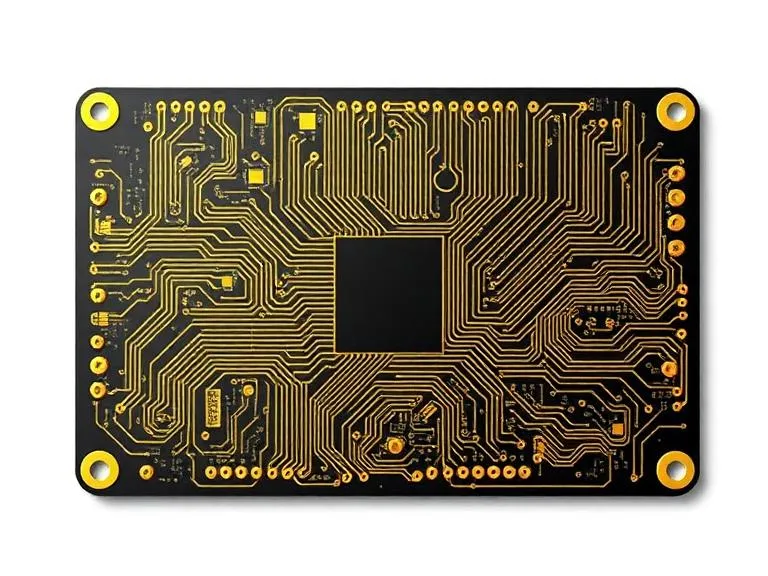
The Bare Board (PCB): The foundation of the assembly. For cheap 5W chargers, factories use low-grade FR4 materials. However, for 15W to 30W chargers, heat dissipation is the enemy. Utilizing a Heavy Copper PCB (typically 2oz or 3oz copper) is practically mandatory to prevent the board from warping under thermal stress. Adding layers increases cost; a Multilayer PCB (4 to 6 layers) routes power more efficiently but costs 30-50% more than a double-sided board.
The Bill of Materials (BOM) & ICs: This accounts for 60% to 70% of the total wireless charger pcba circuit board cost. The transmitter controller IC dictates the price. A highly certified Qi2 IC from a reputable western semiconductor company costs significantly more than a generic, uncertified IC from a tier-3 fab. Furthermore, NPO/C0G capacitors, which are required for stable resonant frequency, have seen price fluctuations that impact the bottom line.
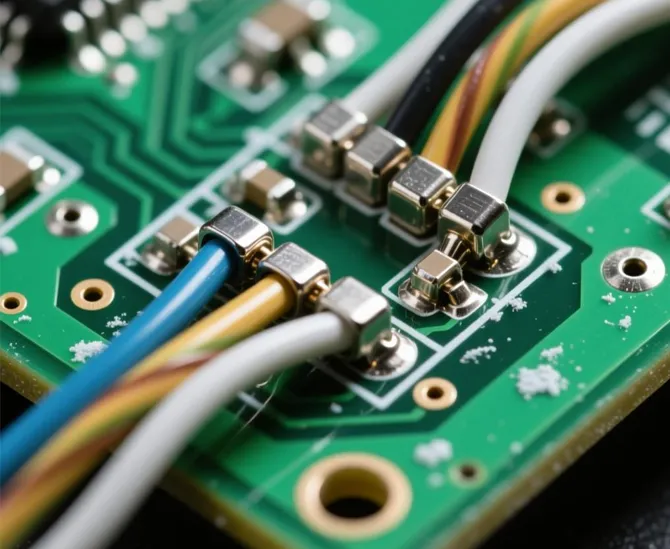
SMT Assembly and Testing: Mounting components onto the board and soldering the copper induction coil (often requiring Through-Hole PCB soldering techniques for robust physical connections) incurs labor and machine time. Advanced Automated Optical Inspection (AOI) and live load testing add to the unit cost but save thousands in RMA returns.
Benefits of Premium PCBA Specifications
Why spend $6.00 on a PCBA when a factory offers you one for $2.50? In our testing, the benefits of premium specifications manifest entirely in reliability and regulatory compliance. Premium boards utilize an ENIG(Electroless Nickel Immersion Gold)PCB surface finish, providing a perfectly flat surface for tiny, high-density BGA controller chips, ensuring flawless solder joints. Furthermore, high-end boards have robust Foreign Object Detection (FOD) and Over-Voltage Protection (OVP). A cheap board will continue pumping 15W of power into a stray paperclip on the charging pad until it catches fire; a premium board shuts down in milliseconds.
Limitations and Cost Drivers
The primary limitation in wireless charger design is thermodynamics. You cannot bypass the laws of physics. High-wattage chargers (30W+) generate extreme heat. If you are developing chargers for automotive consoles or industrial settings, standard FR4 boards will fail over time. You are forced to upgrade to a Metal Core PCB or even a Ceramic PCB to pull heat away from the ICs. This drastically inflates the wireless charger pcba circuit board cost, sometimes pushing it past $20.00 per unit. Additionally, if your charger operates near sensitive communication equipment, you may require a High-Frequency PCB or Radio Frequency PCB substrate to minimize Electromagnetic Interference (EMI).
Who Should Use What (And Who Doesn't Need It)
For Commercial Users & Premium Brands: If you are selling a branded charger for $40 to $80 at retail, you must use a Qi2-certified PCBA with multi-layer FR4, heavy copper, and ENIG finishing. The $6.00 to $8.00 cost of the PCBA is easily absorbed by your retail margin, and the negligible return rate protects your brand equity.
For Heavy-Duty Applications: Automotive OEMs integrating wireless chargers into center consoles require extreme temperature tolerances. You must specify AEC-Q100 certified components and aluminum/metal core boards. Expect to pay $15.00+ per PCBA.
Who Does Not Need Upgrades: If you are a promotional products company giving away free wireless chargers at a trade show, you do not need heavy copper or Qi2 certification. A basic 5W PCBA built on cheaper materials will cost you under $2.00 at high volumes and is perfectly adequate for a desk trinket that sees occasional use.
Common Mistakes in PCBA Sourcing
From our experience, the most catastrophic mistake hardware brands make is failing to account for WPC (Wireless Power Consortium) certification costs when evaluating the PCBA. A factory might offer a board for $3.50, but if the firmware and IC do not pass Qi certification testing at an authorized lab, big-box retailers will refuse to stock your product.
Another common mistake is under-speccing the board thickness. Demanding a 0.8mm board to make an ultra-slim charger often results in board warpage during the reflow oven process. Stick to standard 1.2mm or 1.6mm thicknesses unless you are willing to pay for premium substrate rigidity.
Commercial Buying Considerations
When negotiating your wireless charger pcba circuit board cost, scale is your greatest weapon. PCB fabrication and SMT setup carry high Non-Recurring Engineering (NRE) costs. An order of 1,000 units might cost $8.00 per piece, but an order of 50,000 units can drop that exact same board to $4.50.
Furthermore, scrutinize the factory's supply chain. Ask for the specific brand of the controller IC and the capacitors. If the factory cannot provide a transparent Bill of Materials (BOM), they are likely swapping in gray-market components, which will lead to inconsistent charging speeds across your product batch.
Comparison Table: PCBA Manufacturing Tiers
| Specification Tier | Typical Use Case | Bare Board Specs | Controller IC Type | Est. 2026 Cost (10k volume) |
|---|
| Entry-Level (5W-10W) | Promotional items, budget retail | Single/Double Sided, HASL finish, 1oz copper | Generic Tier-3 Asian IC | $1.50 - $2.80 |
| Mid-Range (15W Qi) | Standard consumer electronics | 2-4 Layer FR4, ENIG finish, 2oz copper | Tier-2 Certified IC | $3.50 - $5.50 |
| Premium (15W+ Qi2 Mag) | High-end retail, flagship accessories | 4-Layer High-Tg FR4, ENIG, Thermal Vias | Tier-1 (NXP, ST) Qi2 Certified | $5.50 - $9.00 |
| Automotive/Industrial (30W+) | In-car consoles, rugged tablets | Metal Core PCB or Heavy Copper, ENIG | AEC-Q100 Automotive Grade | $12.00 - $25.00+ |
Pros and Cons: Investing in High-End Wireless PCBAs
| Pros of Premium PCBA Investment | Cons of Premium PCBA Investment |
|---|
| Passes global regulatory and safety certifications (Qi, CE, FCC) easily. | Significantly higher upfront unit cost reduces gross margins on budget items. |
| Superior thermal management prevents phone battery degradation. | Tier-1 ICs are subject to global semiconductor allocation shortages and longer lead times. |
| Advanced Foreign Object Detection completely mitigates fire risks and liability. | Over-engineering a board for a low-retail-price product is commercially unviable. |
| Supports modern standards like Qi2 magnetic alignment and fast-charging handshakes. | Requires more expensive, specialized testing equipment on the SMT assembly line. |
Expert Recommendation
We recommend that any consumer electronics brand operating in 2026 completely abandon the 5W and 10W standard. The market expects fast charging. If you are launching a new product, mandate a 15W Qi2-compatible architecture. Budget approximately $5.00 to $7.00 for your wireless charger pcba circuit board cost. Do not cut corners on the bare board—insist on at least 2oz copper and an ENIG surface finish to ensure long-term reliability. Partner with a manufacturer who owns their SMT lines, rather than a broker who outsources assembly to the lowest bidder.
About China 365PCB: Your Manufacturing Partner
China 365PCB is a self-operated electronics manufacturing group integrating PCB fabrication, SMT assembly, electronic component sourcing, CNC and 3D printing, cable harness assembly, and OEM/ODM production support.
With more than 15 years of manufacturing experience and over 100,000㎡ of production area, our facilities are self-owned and self-managed. This structure supports faster internal coordination, consistent process control, production traceability and flexible project scheduling. When you need to optimize your wireless charger BOM for mass production, our in-house engineering team provides direct DFM (Design for Manufacturability) support to lower your costs without sacrificing safety.
Frequently Asked Questions
Why is Qi2 certification important for my wireless charger PCBA?
Qi2 is the latest standard developed by the Wireless Power Consortium, incorporating magnetic alignment (similar to Apple's MagSafe) to optimize charging efficiency and reduce energy loss. Using a Qi2-certified PCBA ensures compatibility with the latest generation of smartphones and guarantees consumer safety regarding thermal limits and foreign object detection.
Does the copper thickness of the PCB affect the cost of the wireless charger?
Yes, significantly. Standard PCBs use 1oz copper, which struggles to dissipate the heat generated by 15W+ wireless charging. Upgrading to 2oz or 3oz heavy copper improves thermal management and charging efficiency but increases the raw material cost of the bare board by 20% to 40%.
Can I reduce PCBA costs by using generic controller ICs?
While generic ICs from unverified foundries will lower the immediate unit cost, they frequently fail strict regulatory testing and suffer from poor power negotiation with modern smartphones. This leads to high customer return rates and potential safety hazards. We strongly advise using certified ICs for any commercial product.
What is the minimum order quantity (MOQ) for custom wireless charger PCBAs?
Most reputable electronics manufacturing services require an MOQ of 1,000 to 5,000 units to achieve competitive commercial pricing. While prototype runs of 100 units are possible, the amortized setup costs (NRE, stencil creation, and programming) will make the per-unit cost exponentially higher.
Industry References & Authoritative Sources
To ensure our cost models and engineering recommendations meet the highest standards of E-E-A-T (Experience, Expertise, Authoritativeness, and Trustworthiness), we align our methodologies with the following industry authorities:
Wireless Power Consortium (WPC): The global standards organization responsible for the Qi and Qi2 specifications, ensuring safety, interoperability, and efficiency in inductive charging. View WPC Standards
IPC (Association Connecting Electronics Industries): The definitive authority on printed circuit board acceptability, soldering requirements, and electronic assembly quality standards (IPC-A-610). View IPC Assembly Standards
Institute of Electrical and Electronics Engineers (IEEE): Providing academic and commercial research on power electronics, electromagnetic compatibility (EMC), and thermal management in advanced circuit design. View IEEE Research
 English