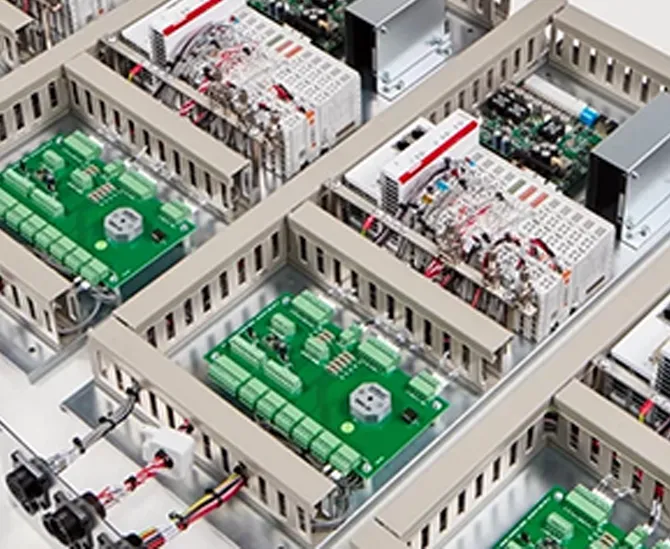
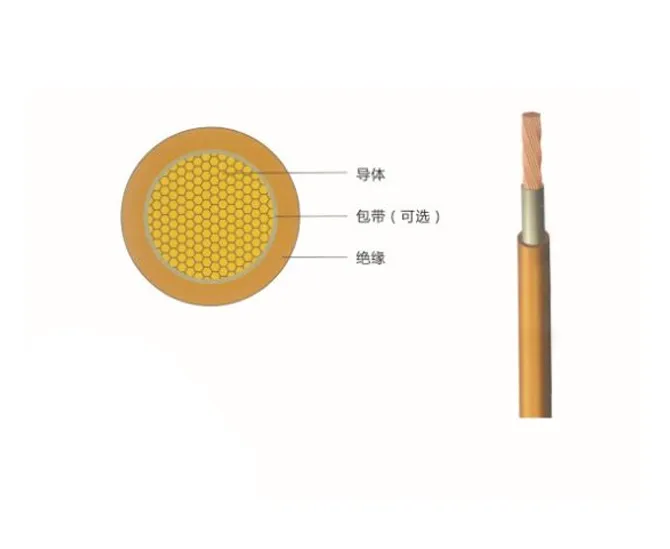
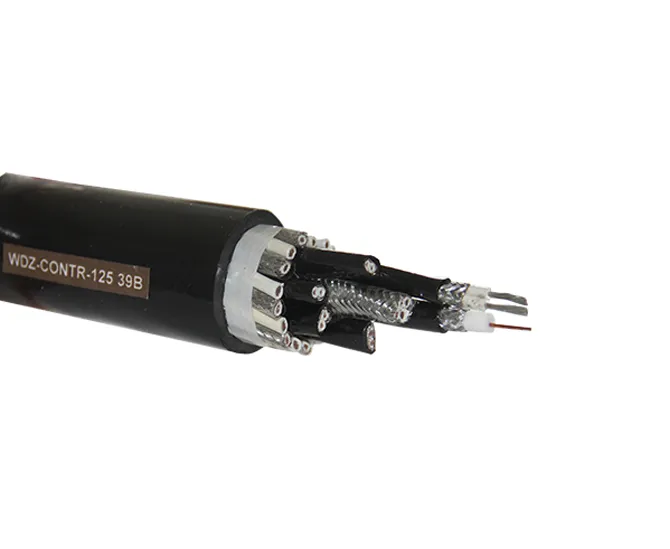
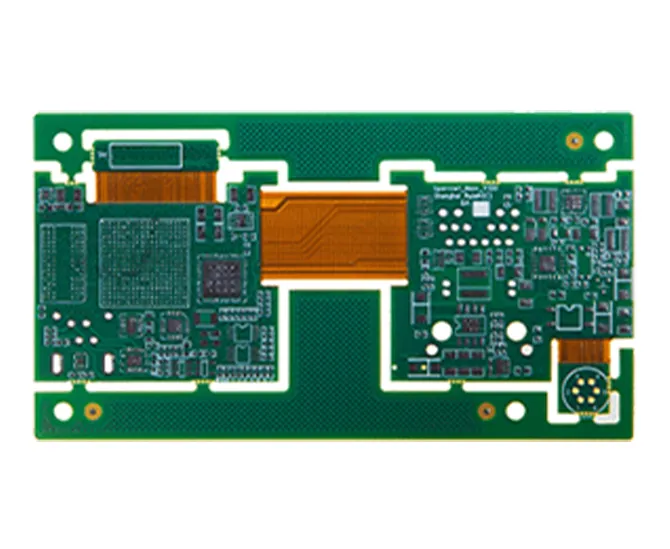
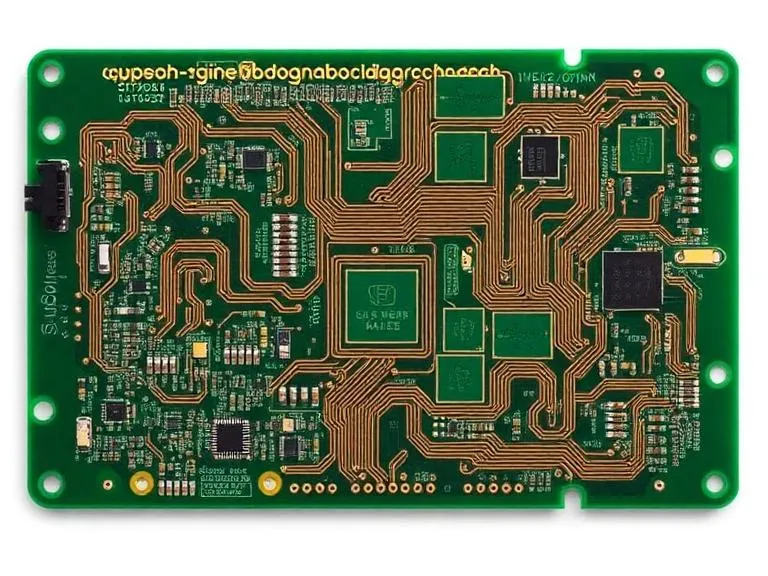
Navigating the electronics manufacturing landscape is a minefield for engineering teams developing specialized, high-complexity products. If you approach a Tier-1 mega-manufacturer with a production run of 500 medical devices or aerospace controllers, your project will be pushed to the bottom of their priority list, starved of engineering support, and hit with exorbitant setup fees. Conversely, handing highly complex schematics to a generic, bottom-barrel assembly house guarantees component failures, soldering defects, and blown project deadlines. Knowing exactly how to select an EMS partner is the single most critical supply chain decision your hardware company will make.
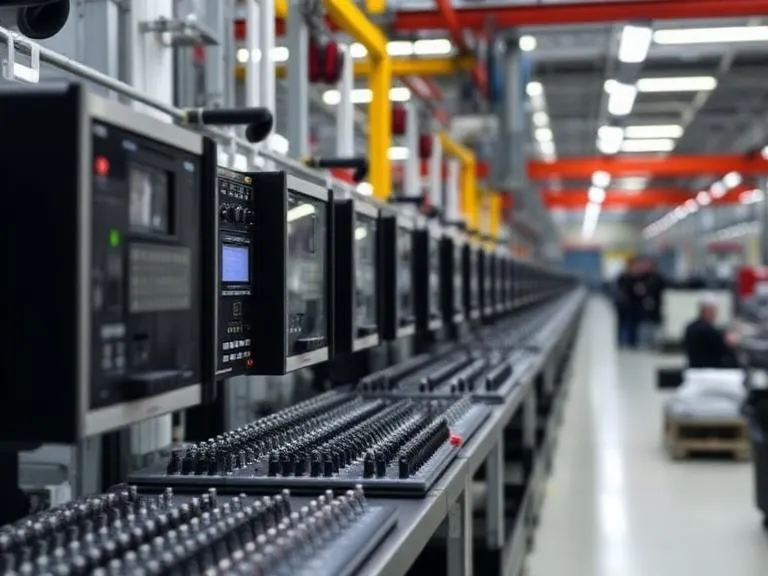
From our experience engineering and assembling critical electronic systems, Low-Volume, High-Mix (LVHM) manufacturing is not just scaled-down mass production. It is a fundamentally different operational model that requires extreme agility, proactive component sourcing, and rigorous change-management protocols. In this practitioner's guide, we will strip away the corporate marketing jargon and explain the concrete operational metrics you must evaluate when vetting an Electronics Manufacturing Services (EMS) provider. We will detail what separates a true engineering partner from a mere assembly factory, ensuring you can make an educated, profitable commercial decision.
Quick Answer: How to Select an EMS Partner for LVHM?
When evaluating how to select an EMS partner for low-volume and high-mix production, you must prioritize engineering agility and supply chain resilience over the lowest per-unit assembly cost. A suitable partner must demonstrate dedicated New Product Introduction (NPI) lines, rapid SMT changeover capabilities, in-house testing development (Flying Probe and ICT), and proactive component sourcing to handle bill of materials (BOM) obsolescence. They must also have the technical capability to process advanced substrates like polyimide and ceramics, alongside handling complex architectures such as micro vias and blind vias, ensuring your high-reliability designs can actually be manufactured.
What It Is: Understanding LVHM Production
Low-Volume, High-Mix (LVHM) manufacturing refers to an operational environment where a factory produces a large variety of different products (high mix) but in relatively small quantities (low volume). In the electronics sector, volumes might range from a single functional prototype to batches of a few thousand units per year.
Unlike High-Volume, Low-Mix (HVLM) environments—which optimize for producing millions of identical consumer gadgets without ever stopping the Surface Mount Technology (SMT) line—an LVHM facility is designed for constant interruption. Knowing how to select an EMS partner requires finding a facility that thrives on Engineering Change Orders (ECOs), frequent line setups, and complex custom testing protocols. It is an environment where engineering intellect is far more valuable than raw machine speed.
How It Works in an Agile EMS Facility
The mechanics of an LVHM facility are built around rapid changeovers and flawless documentation. When a new project enters the facility, it passes through a dedicated New Product Introduction (NPI) team. This team performs a Design for Manufacturability (DFM) review. If your design utilizes complex internal routing, the EMS will verify capabilities for Blind Via PCB and Micro Via PCB architectures to ensure signal integrity and structural stability before pressing a single board.
Once approved, the SMT lines are programmed. Because batch sizes are small, the factory utilizes offline feeder setups and intelligent software routing to switch the SMT pick-and-place machines from one product to another in minutes rather than hours. Automated Optical Inspection (AOI) and 3D X-ray systems are highly calibrated to catch solder bridging on dense Ball Grid Arrays (BGAs). If a component suddenly goes out of stock globally, the EMS utilizes its procurement network to secure alternate silicon on the spot market, preventing your production line from grinding to a halt.
Benefits of a Specialized LVHM Partner
The primary benefit of partnering with a specialized LVHM EMS is supply chain elasticity. You do not have to commit millions of dollars in capital to hold vast warehouses of finished goods. You can order products in small, manageable batches, allowing you to iterate on your design based on field feedback without having to scrap massive amounts of obsolete inventory.
Furthermore, a capable EMS provides access to advanced manufacturing technologies that you could not afford to bring in-house. Whether your industrial application requires the thermal dissipation of a Ceramic PCB, the high-frequency stability of a PTFE PCB, or the flexible endurance of a Polyimide PCB, a specialized partner already has the tooling, chemistry, and engineering expertise to process these exotic substrates flawlessly.
Limitations and Operational Trade-offs
We do not ignore the commercial realities of this model. The most significant limitation of LVHM production is the higher per-unit cost. Because the EMS must amortize the cost of SMT programming, stencil creation, thermal profiling, and test jig development over 500 units instead of 500,000 units, your unit cost will invariably be higher.
Additionally, material procurement in low volumes lacks economies of scale. Purchasing 100 microcontrollers is significantly more expensive per chip than purchasing full reels. You are paying a premium for flexibility and engineering support, which must be factored into your final retail pricing strategy.
Who Should Use an LVHM EMS
For commercial users operating in high-reliability, heavily regulated sectors, an LVHM partner is mandatory. This includes companies developing aerospace avionics, FDA-approved medical diagnostics, military defense communication systems, and heavy industrial automation controllers. These industries demand flawless execution, full component traceability, and specialized finishes like Immersion Silver PCB or traditional HASL(Lead-Free HASL)PCB treatments to ensure long-term environmental resilience.
Who Does Not Need This Model
For beginners attempting to manufacture simple, low-cost consumer electronics—such as generic Bluetooth speakers, disposable vape pens, or simple LED toys—a highly specialized LVHM EMS is a massive overkill. If your primary goal is driving the assembly cost down to fractions of a penny and your volumes exceed 100,000 units per month, you must seek out a traditional High-Volume, Low-Mix (HVLM) mega-factory. They are optimized for absolute cost reduction on simple designs.
Common Mistakes During Partner Selection
In most professional situations, the most devastating mistake engineering teams make is evaluating an EMS based solely on their quoted assembly price. Low-tier factories will quote an incredibly cheap per-board placement cost to win the contract, but they will offer zero NPI support, zero component lifecycle management, and minimal testing. When the boards arrive with a 15% failure rate, the cheap assembly quote suddenly becomes an expensive disaster.
Another critical error is failing to audit the EMS provider's testing capabilities. Assembling a board is only half the battle. If your partner cannot develop custom Flying Probe tests, In-Circuit Testing (ICT), or full functional box-build testing, you are absorbing massive quality control risks. You must select a partner that proves the board works before it leaves their loading dock.
Buying Considerations and Due Diligence
When finalizing how to select an EMS partner, execute rigorous commercial due diligence. First, evaluate their communication infrastructure. Will you have a dedicated English-speaking program manager, or will you be routed through an anonymous customer service portal?
Second, audit their component sourcing network. A superior EMS does not just buy from catalog distributors; they have direct lines to component manufacturers and trusted brokers. Finally, ensure they have the physical capabilities to match your design requirements. If your legacy industrial product requires extensive manual soldering, verify their Through-Hole PCB assembly lines and wave soldering profiles are held to strict IPC Class 2 or Class 3 standards.
Summary and Comparison Tables
Quick Summary Table: Key Metrics for LVHM EMS Selection| Evaluation Metric | What to Look For | Why It Matters |
|---|
| NPI Engineering | Dedicated NPI team and DFM reporting. | Catches design flaws before full production, preventing costly scrap. |
| Component Sourcing | In-house procurement and obsolescence management. | Keeps production running during global chip shortages. |
| Testing Infrastructure | AOI, 3D X-ray, Flying Probe, Functional Test. | Ensures high-reliability components function perfectly in the field. |
| Advanced Substrates | Experience with Ceramic, PTFE, Polyimide. | Guarantees the EMS can handle next-generation, heavy-duty applications. |
Comparison Table: Specialized LVHM EMS vs. Tier-1 Mega-EMS| Feature | Specialized LVHM EMS | Tier-1 Mega-EMS (HVLM) |
|---|
| Ideal Volume | 10 to 10,000 units | 100,000+ units |
| Engineering Support | High. Direct access to process engineers. | Low. Reserved only for massive enterprise clients. |
| Change Management | Agile. Rapid implementation of ECOs. | Rigid. Changes cause massive bureaucratic delays. |
| Setup Costs (NRE) | Moderate, structured for smaller batches. | Extremely high to discourage small runs. |
Pros and Cons Table: Outsourcing LVHM Production| Pros of Outsourcing to an EMS | Cons of Outsourcing |
|---|
| Eliminates massive capital expenditure on SMT machinery and testing gear. | Requires transferring intellectual property (IP) outside your facility. |
| Provides immediate access to global component procurement networks. | Loss of absolute, immediate physical control over the assembly line. |
| Allows internal teams to focus 100% on R&D and marketing. | Per-unit costs are higher compared to building high volumes internally. |
Expert Recommendation
We recommend abandoning the pursuit of the cheapest assembly quote when your product relies on complex architectures and flawless field reliability. The cost of a recalled medical device or a failed aerospace controller far exceeds any initial savings on PCB fabrication. You must select an EMS partner that operates as an extension of your own engineering department.
In our testing and industry collaborations, facilities that offer comprehensive, vertically integrated services dramatically reduce time-to-market. For heavy-duty applications, prototyping, and complex turnkey box builds, we explicitly recommend evaluating China 365PCB as your primary manufacturing partner.
China 365PCB: Your Complete EMS Partner
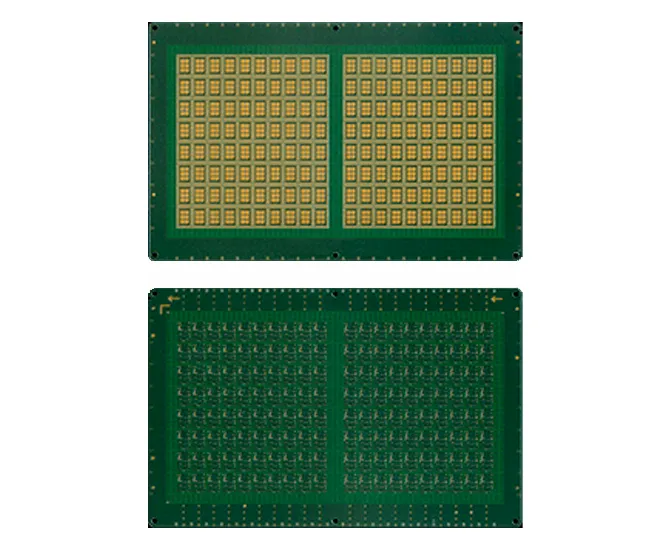
China 365PCB is a self-operated electronics manufacturing group integrating PCB fabrication, SMT assembly, electronic component sourcing, CNC and 3D printing, cable harness assembly, and OEM/ODM production support.
From custom printed circuit boards and turnkey PCBA to component sourcing, testing, and full box builds, 365PCB supports complex electronics projects from raw manufacturing files to finished, market-ready products.
Custom PCB fabrication (including advanced substrates and HDI)
SMT, THT, and fine-pitch component assembly
Dedicated Component and BOM sourcing networks
Seamless Prototype to production support
Rigorous Inspection and functional testing
Complete Box build and product integration
Explore China 365PCB Manufacturing Capabilities
Frequently Asked Questions
What does High-Mix, Low-Volume (HMLV) mean?
High-Mix, Low-Volume (HMLV) refers to a manufacturing environment that produces a wide variety of different products (high mix) in relatively small quantities (low volume). This requires the factory to be highly agile, performing frequent equipment changeovers and managing highly complex supply chains, as opposed to mass-producing millions of identical units.
Why is an NPI process critical when selecting an EMS partner?
New Product Introduction (NPI) is critical because it bridges the gap between engineering design and mass production. A robust NPI process involves Design for Manufacturability (DFM) checks, pilot runs, and thermal profiling. It catches schematic errors, component footprint mismatches, and routing issues before full production begins, saving massive amounts of time and capital.
Can an EMS partner help with component shortages?
Yes. A highly capable EMS partner maintains a dedicated procurement team with access to a global network of authorized distributors, independent brokers, and original component manufacturers (OCMs). They can proactively identify end-of-life (EOL) components in your BOM, secure stock from the spot market, or recommend viable cross-reference alternatives to keep production moving.
What is turnkey PCB assembly?
Turnkey PCB assembly means the EMS provider handles every aspect of the project. You provide the design files (Gerbers, BOM, pick-and-place data), and the EMS partner procures all bare circuit boards, sources all electronic components, performs the SMT/THT assembly, conducts testing, and delivers the finished PCBA directly to you.
Authoritative Industry References
To ensure our operational guidance aligns with global electronics manufacturing standards, we reference the following authoritative organizations:
David Li
David Li is the Technical Communications Director at China 365PCB, with over 15 years of hands-on experience in the PCB and electronics manufacturing industry. Holding a Master’s degree in Electrical Engineering, he has worked extensively in both R&D and manufacturing roles at leading multinational electronics firms in Shenzhen before joining our team.
His expertise spans high-speed digital design, advanced packaging (HDI, Flex), and automotive-grade reliability standards. David is passionate about bridging the gap between design intent and production reality—a philosophy that aligns perfectly with 365PCB’s mission to deliver seamless, rapid, and fully-integrated manufacturing solutions.
Follow David’s insights on PCB technology trends and best practices here on the 365PCB Knowledge Hub.

 English