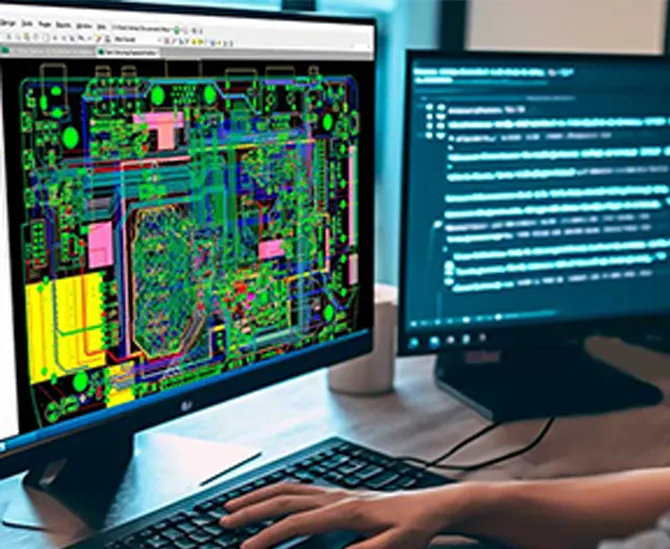
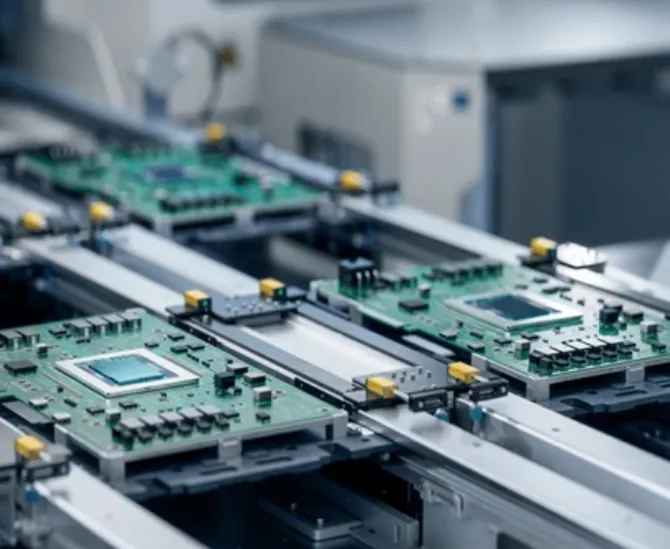
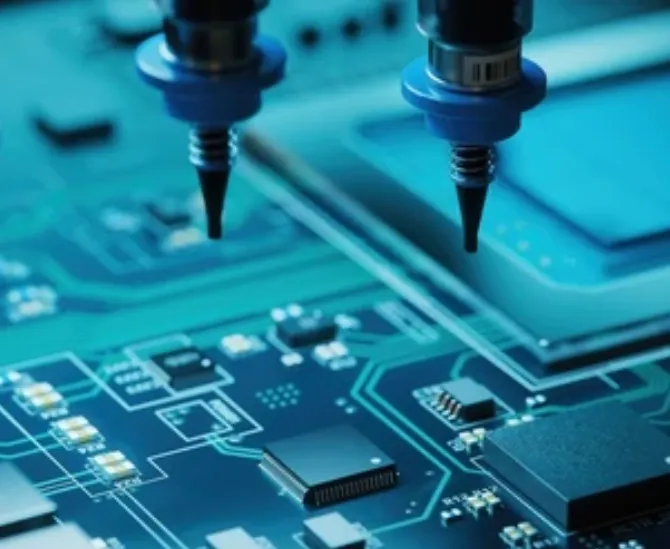
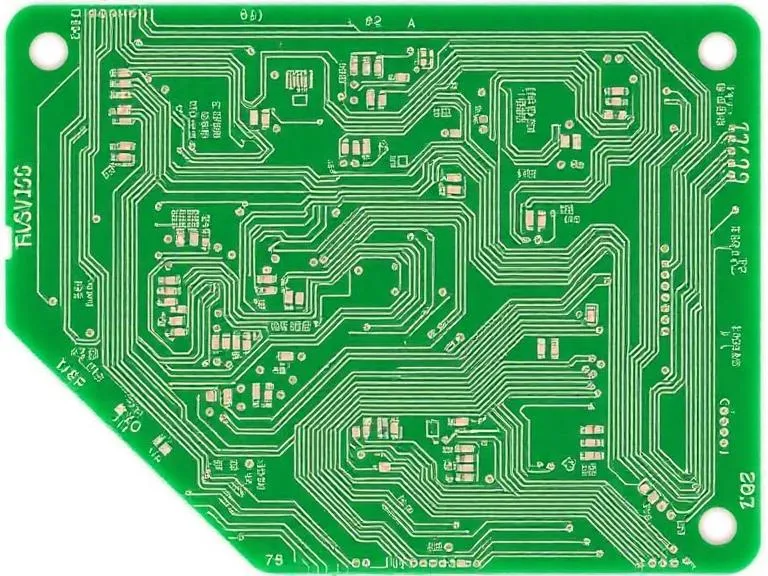
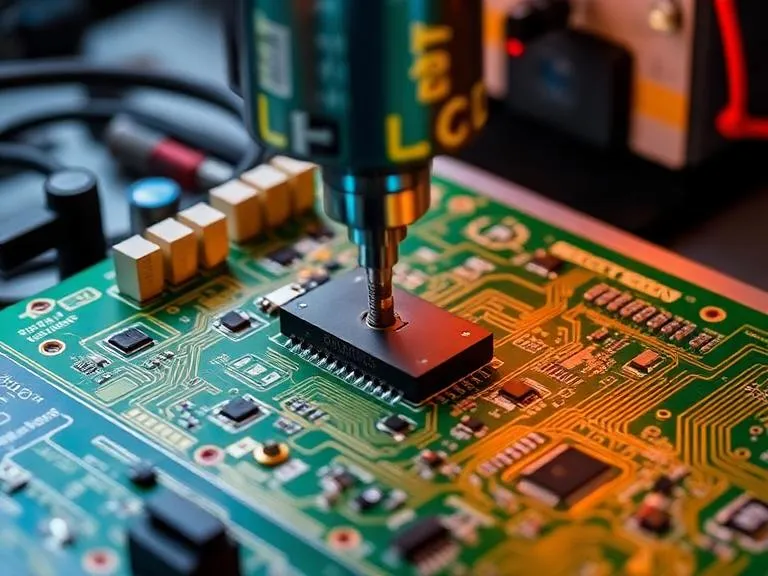
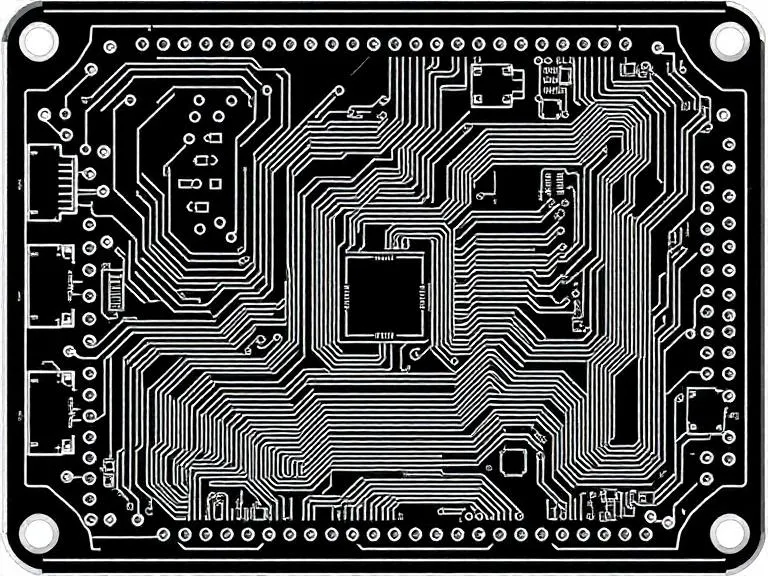
From our experience as a leading manufacturer, understanding the variables that dictate Flex PCBs cost is critical for procurement and engineering teams aiming to optimize their hardware budgets without sacrificing reliability. At China 365PCB, we are a fully self-operated, full-industry-chain manufacturing group. With 15+ years of experience, we operate over 100,000 square meters of production area. All facilities are self-owned and self-managed, ensuring total quality control, full process traceability, and unmatched production flexibility.
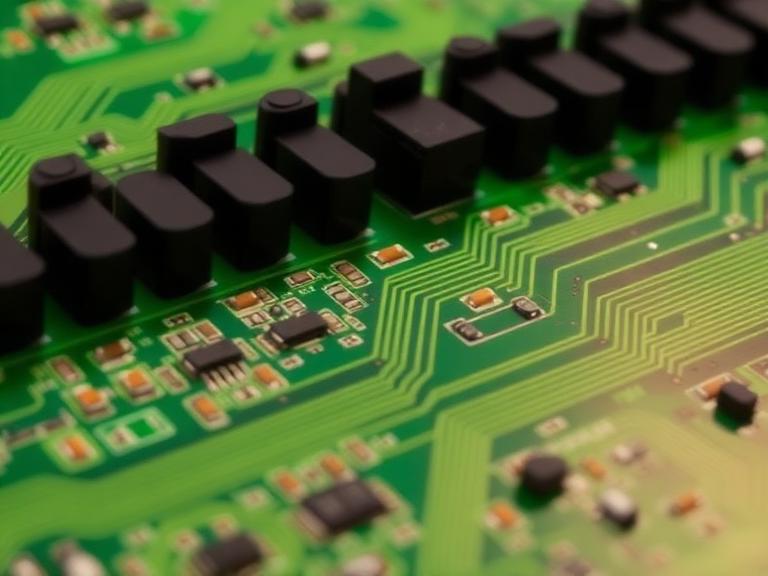
As the electronics industry accelerates into 2026, the demand for flexible printed circuit boards (FPCs) has reached unprecedented levels. Driven by advancements in wearable technology, implantable medical devices, high-density aerospace instrumentation, and electric vehicle (EV) battery management systems, flexible circuits are no longer a niche commodity. However, a common question arises during the design phase: exactly how much do these circuits cost? Analyzing the Flex PCBs cost requires a deep understanding of material science, fabrication complexity, surface finish requirements, and manufacturing scalability.
Unlike rigid FR4 boards, calculating the Flex PCBs cost is not a simple matter of square footage and layer count. Flexible circuits utilize specialized polyimide substrates, advanced adhesives (or adhesiveless bonded layers), and precise laser routing techniques. Any deviation in the design parameters can significantly swing the final unit price. In this comprehensive industry guide, China 365PCB leverages decades of manufacturing data to break down every factor influencing the Flex PCBs cost in 2026, providing engineers and supply chain managers with actionable insights to control their project expenditures.
1. The 2026 Market Landscape and Flex PCBs Cost Trends
In 2026, the baseline Flex PCBs cost is stabilizing due to increased global manufacturing capacity, yet it remains inherently higher than rigid PCB fabrication. This price delta is driven by the delicate handling required during the wet processing of ultra-thin polyimide (PI) films. Traditional rigid boards can be processed on standard conveyor systems, whereas flexible panels require specialized tension-control mechanisms and pallet fixtures to prevent stretching, tearing, or dimensional distortion during etching and plating.
We recommend that engineering teams engage with their manufacturing partner as early as the schematic phase. From our experience, early Design for Manufacturability (DFM) audits can reduce the final Flex PCBs cost by up to 25%. By optimizing panel utilization (nesting) and avoiding unnecessary tight tolerances on bend radii, designers can drastically lower the scrap rate, which directly translates to lower unit pricing.
2. Base Materials: Polyimide, Copper, and Adhesives
The foundation of any flexible circuit dictates a substantial portion of the Flex PCBs cost. The primary substrate used in modern FPCs is Polyimide (PI), known for its excellent thermal stability and dielectric properties. However, not all polyimide is created equal.
Flexible copper clad laminates (FCCL) come in two main varieties: adhesive-based and adhesiveless. Adhesive-based laminates use an acrylic or epoxy glue to bond the copper foil to the PI film. This is the more economical route and lowers the overall Flex PCBs cost, but it suffers from reduced thermal resistance and a thicker profile. Adhesiveless laminates, where the copper is cast or sputtered directly onto the PI, represent the industry standard for high-reliability applications. While adhesiveless FCCL increases the initial Flex PCBs cost, it provides superior dimensional stability, tighter bend radii, and resistance to harsh reflow temperatures.
Furthermore, the type of copper foil influences pricing. Rolled Annealed (RA) copper is highly ductile and ideal for dynamic flexing applications (like laptop hinges), but it drives up the Flex PCBs cost. Electrodeposited (ED) copper is cheaper and suitable for static "flex-to-install" applications where the board will only be bent once during assembly.
3. Layer Count and Structural Complexity
As with rigid boards, the layer count is a direct multiplier of the Flex PCBs cost. Single-sided flexible circuits are the most cost-effective, requiring minimal processing steps. Double-sided flex circuits introduce the need for plated through-holes (PTH), which adds drilling, desmearing, and electroless copper deposition to the manufacturing cycle, effectively doubling the baseline Flex PCBs cost.
When designs advance to multi-layer flex (3+ layers) or rigid-flex configurations, the Flex PCBs cost increases exponentially. Multi-layer flex boards require sequential lamination cycles using specialized bond plies. If the design features blind or buried microvias, laser drilling is required. From our experience, laser drilling and sequential lamination are among the most expensive processes on the factory floor, significantly elevating the total Flex PCBs cost.
4. Impact of Surface Finishes on Flex PCBs Cost
Because exposed copper oxidizes rapidly, a surface finish is mandatory to ensure solderability and protect the circuit. The finish chosen plays a critical role in the final Flex PCBs cost and must be selected based on the assembly requirements and the operating environment.
HASL and Lead-Free HASL: Hot Air Solder Leveling is generally the most economical finish. If your flexible board is robust enough to handle the thermal shock of the solder bath, opting for a HASL(Lead-Free HASL)PCB finish will keep your Flex PCBs cost at an absolute minimum. However, it is not recommended for fine-pitch components due to surface unevenness.
OSP: An OSP (Organic Solderability Preservative) PCB provides a flat, highly cost-effective, lead-free finish. It has a negligible impact on the Flex PCBs cost but requires immediate assembly, as its shelf life is shorter than metallic finishes.
Immersion Silver and Tin: For flat planar surfaces required by fine-pitch BGAs, an Immersion Silver PCB or Immersion Tin PCB offers excellent solderability. These chemical displacement processes increase the Flex PCBs cost moderately compared to OSP but provide a longer shelf life and excellent signal integrity for high-frequency applications.
ENIG and Hard Gold: Electroless Nickel Immersion Gold (ENIG) is the gold standard for flex circuits, offering a perfectly flat surface and excellent oxidation resistance. For areas requiring physical friction, such as edge connectors or membrane switches, a Hard Gold PCB finish is mandatory. Due to the high price of precious metals, specifying Hard Gold will result in the highest marginal increase to your Flex PCBs cost.
5. Stiffeners and Mechanical Add-ons
Flexible circuits often require localized rigidity to support heavy components (like connectors or ICs) or to facilitate insertion into ZIF (Zero Insertion Force) sockets. This is achieved by laminating stiffeners to specific areas of the board. The integration of stiffeners requires additional material and highly precise manual or automated alignment, which contributes to the Flex PCBs cost.
Common stiffener materials include FR4, polyimide, and stainless steel. We recommend using PI stiffeners for ZIF connector areas to ensure exact thickness tolerances. If thermal dissipation is required beneath a high-power component, aluminum or stainless steel stiffeners can be used, though these metallic integrations will noticeably raise the overall Flex PCBs cost. Additionally, applying EMI (Electromagnetic Interference) shielding films or conductive silver ink layers will further increase pricing due to the specialized lamination pressing required.
6. Production Volume and Turnaround Time
The manufacturing volume is the ultimate lever for controlling the per-unit Flex PCBs cost. Flexible PCB manufacturing incurs significant Non-Recurring Engineering (NRE) charges, including laser cutting templates, electrical testing fixtures, and custom tooling punches.
When ordering a prototype or a Quick Turn PCB, these tooling and setup costs are amortized over a very small number of units, making the individual Flex PCBs cost appear quite high. Furthermore, expedited processing disrupts standard factory scheduling, incurring premium rush charges. Conversely, when you transition to a High-Volume Production PCB, the NRE fees are spread across tens of thousands of units. Hard tooling (steel rule dies or hard punches) is created for mass production, replacing slower laser routing. From our experience, scaling from prototype to high volume can reduce the individual Flex PCBs cost by 60% to 80%.
For highly specialized hardware requiring unique form factors, non-standard thicknesses, or exotic adhesive systems, engaging in a Custom PCB development program is necessary. Customizations invariably increase the Flex PCBs cost due to the bespoke engineering and material sourcing required, but they guarantee the end product perfectly aligns with your mechanical constraints.
7. Summary Table: Flex PCBs Cost Drivers
| Cost Factor | Economical Choice (Lower Cost) | Premium Choice (Higher Cost) | Impact on Total Flex PCBs Cost |
|---|
| Copper Substrate | Electrodeposited (ED) Copper | Rolled Annealed (RA) Copper | Moderate |
| Laminate Type | Adhesive-based Polyimide | Adhesiveless Polyimide | High |
| Layer Count | Single-Sided / Double-Sided | Multi-layer (3+ layers) with Blind Vias | Very High |
| Surface Finish | OSP or HASL | ENIG or Hard Gold | Moderate to High |
| Stiffeners | Standard FR4 | Stainless Steel / Aluminum / Custom PI | Low to Moderate |
| Order Volume | High Volume (Hard Tooling) | Prototype / Quick Turn (Laser Routing) | Very High (Per Unit Cost) |
8. Why Choose China 365PCB for Your FPC Needs
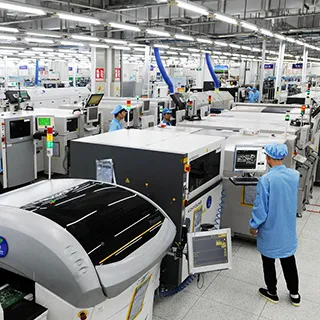
At China 365PCB, we believe true manufacturing excellence lies in: Speed, Precision, and Responsibility. We never outsource, never compromise. From PCB fabrication, SMT assembly, online electronic component sourcing and integration, to CNC machining and cable harness assembly, we provide complete OEM/ODM solutions. Every board, every circuit, every connection is made within our own 100,000 square meter facilities.
By keeping the entire supply chain under one roof, we eliminate middleman markups, strictly controlling your Flex PCBs cost. With our one-stop turnkey service from design to delivery, we guarantee no delay, no excuses — truly realizing 365 days of fast manufacturing for global customers. When you partner with us, you are guaranteed faster delivery, higher quality, and absolute reliability.
9. Frequently Asked Questions (FAQs)
Why is the Flex PCBs cost generally higher than rigid FR4 boards?
Flexible materials like polyimide are more expensive to produce than rigid fiberglass. Furthermore, processing ultra-thin flex panels requires specialized, labor-intensive handling, custom fixtures during chemical etching, and more complex routing processes to prevent material distortion, all of which elevate the Flex PCBs cost.
How can I reduce my Flex PCBs cost without sacrificing quality?
We recommend collaborating on Design for Manufacturability (DFM) early. Maximize your panel utilization by designing shapes that nest tightly together. Use ED copper instead of RA copper if your application does not require dynamic, continuous flexing. Finally, scale your orders; transitioning to high-volume hard tooling drastically reduces the per-unit Flex PCBs cost.
Does adding a coverlay increase the Flex PCBs cost?
Yes. A coverlay (the flexible equivalent of solder mask) is an essential polyimide film laminated over the circuitry for protection. Because it requires precision alignment and a high-temperature, high-pressure pressing cycle, applying a coverlay is more expensive than applying liquid photoimageable (LPI) solder mask used on rigid boards, thereby increasing the Flex PCBs cost.
10. Industry References
To ensure your designs meet international manufacturing tolerances and material standards, we encourage engineering teams to consult the following authoritative bodies:
 English