Selecting the correct wire and cable is a critical design decision during the R&D phase of electronic and electromechanical systems.
This checklist is intended to help engineers systematically evaluate wire and cable requirements before design freeze, reducing redesign risk and long-term reliability issues.
Use this checklist as part of your design review, prototype validation, or RFQ preparation process.
Electrical Requirements Checklist
☐ Nominal operating voltage defined
☐ Maximum peak voltage identified
☐ Continuous current rating calculated
☐ Peak/inrush current considered
☐ Acceptable voltage drop specified
☐ Appropriate derating margin applied
R&D Note:
Electrical margins should account for temperature rise, aging, and bundle density—not just nominal load.
Signal Type and Performance Checklist
☐ Power, control, or data signal identified
☐ Analog vs. digital signal defined
☐ High-speed or high-frequency requirements evaluated
☐ Impedance control required (yes/no)
☐ Crosstalk sensitivity assessed
R&D Note:
Signal type directly influences conductor geometry, shielding, and cable structure.
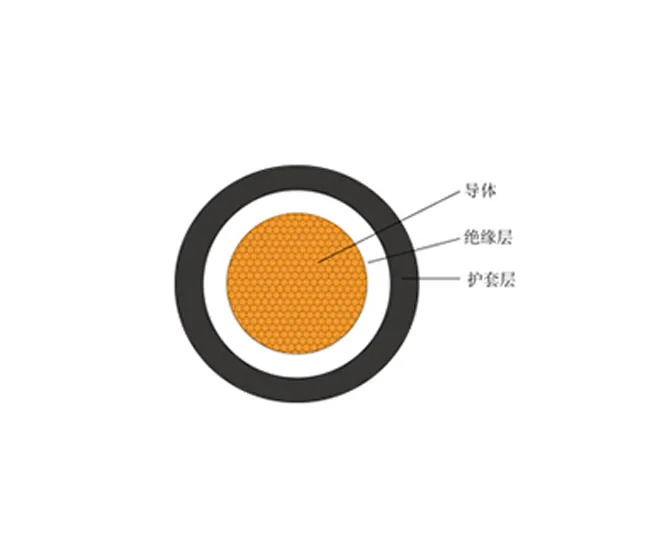
Conductor Material and Construction Checklist
☐ Conductor material selected (bare copper, tinned, plated)
☐ Solid or stranded conductor chosen
☐ Strand count appropriate for flexibility needs
☐ Corrosion resistance requirements evaluated
R&D Note:
Mechanical life and electrical stability are both impacted by conductor construction.
Further reading: Connector Selection: Engineering Considerations for Reliable Cable and Harness Assemblies
Wire Gauge and Thermal Behavior Checklist
☐ Wire gauge selected based on current load
☐ Ambient operating temperature defined
☐ Bundle density and airflow considered
☐ Thermal derating applied
☐ Worst-case heating scenario reviewed
R&D Note:
Thermal limits often determine wire gauge more than electrical current alone.
Insulation and Jacket Material Checklist
☐ Insulation temperature rating confirmed
☐ Dielectric strength meets voltage requirement
☐ Flame-retardancy requirement identified
☐ Chemical and moisture exposure evaluated
☐ Abrasion resistance required (yes/no)
R&D Note:
Material compatibility with surrounding components is often overlooked.
EMI, Shielding, and Grounding Checklist
☐ EMI sensitivity evaluated
☐ Shielding required (foil, braid, combo)
☐ Shield termination strategy defined
☐ Ground reference and continuity planned
☐ EMC compliance requirements identified
R&D Note:
Shield effectiveness depends on both cable structure and termination method.
Mechanical and Flex-Life Checklist
☐ Static or dynamic application defined
☐ Minimum bend radius specified
☐ Expected flex cycles estimated
☐ Vibration and shock exposure evaluated
☐ Strain relief strategy defined
R&D Note:
Mechanical failure is a leading cause of field harness issues.
Environmental and Application Checklist
☐ Operating temperature range defined
☐ Humidity or condensation exposure considered
☐ UV or outdoor exposure evaluated
☐ Industrial / automotive / embedded environment identified
R&D Note:
Environmental mismatch is a common root cause of premature cable failure.
Connector and Termination Compatibility Checklist
☐ Connector type and pin-out finalized
☐ Termination method compatible (crimp, solder, IDC)
☐ Tooling and process availability confirmed
☐ Strain relief and retention addressed
R&D Note:
Wire selection must align with connector and termination constraints.
Manufacturability and Supply Chain Checklist
☐ Cable is commercially available and stable
☐ Approved second source identified
☐ Lead time acceptable for production
☐ Assembly and inspection feasibility reviewed
☐ Repair and serviceability considered
R&D Note:
Design choices should support long-term production and lifecycle stability.
Validation and Qualification Checklist
☐ Electrical testing planned
☐ Mechanical testing planned (pull, flex)
☐ Thermal or environmental testing required
☐ Prototype validation completed
☐ Design approved for production release
R&D Note:
Validation closes the loop between design intent and real-world performance.
Related reading: Testing and Reliability: Ensuring Performance in Cable and Harness Assemblies
Wire & Cable Selection Support at China 365PCB
At China 365PCB, one of the most experienced wire harness and cable assembly manufacturers in China, we support wire and cable selection through:
· R&D-stage engineering consultation
· Wire harness and custom cable assembly
· Connector and termination validation
· Prototype and production testing
We help engineering teams select, validate, and manufacture wire and cable solutions aligned with system performance and production scalability.
A structured selection checklist prevents costly redesigns and field failures.
David Li
David Li is the Technical Communications Director at China 365PCB, with over 15 years of hands-on experience in the PCB and electronics manufacturing industry. Holding a Master’s degree in Electrical Engineering, he has worked extensively in both R&D and manufacturing roles at leading multinational electronics firms in Shenzhen before joining our team.
His expertise spans high-speed digital design, advanced packaging (HDI, Flex), and automotive-grade reliability standards. David is passionate about bridging the gap between design intent and production reality—a philosophy that aligns perfectly with 365PCB’s mission to deliver seamless, rapid, and fully-integrated manufacturing solutions.
Follow David’s insights on PCB technology trends and best practices here on the 365PCB Knowledge Hub.
 English