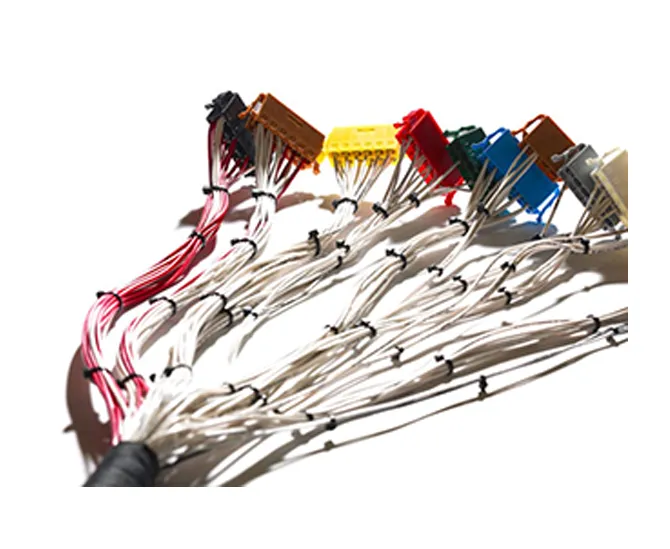
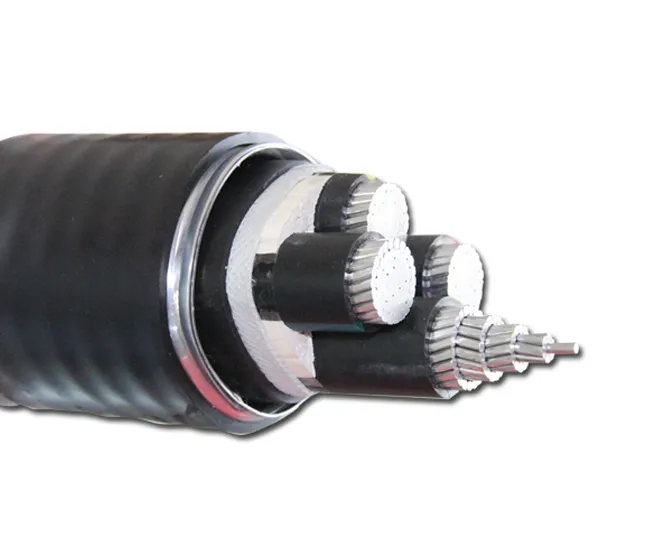
Wire and cable selection is a fundamental decision during the research and development phase of electronic and electromechanical systems.
The choice of wire and cable directly affects electrical performance, mechanical reliability, thermal behavior, EMC compliance, and long-term product stability.
From an R&D perspective, wire and cable selection is not a commodity decision—it is a design-critical engineering task.
At China 365PCB, wire and cable selection is evaluated early in the development cycle to ensure design intent aligns with manufacturing reality and lifecycle reliability.
Role of Wire and Cable Selection in Product Architecture
In system-level design, wires and cables act as functional extensions of the circuit.
Key R&D considerations:
· Power distribution integrity
· Signal transmission quality
· Mechanical interaction with enclosures and moving parts
· Long-term reliability under real operating conditions
Incorrect selection can undermine otherwise robust electronic design.
Further reading: Wire & Cable Selection Checklist: An R&D Guide for Reliable System Design
Electrical Requirements and Performance Margins
Electrical parameters define the baseline selection criteria.
R&D engineers must evaluate:
· Nominal and peak current load
· Voltage rating and insulation class
· Acceptable voltage drop
· Signal type (DC power, AC power, analog, digital, high-speed)
Proper derating is applied to ensure stable performance across temperature and aging effects.
Conductor Material and Construction
Conductor choice impacts both electrical efficiency and mechanical durability.
Design options include:
· Bare copper for general applications
· Tinned copper for corrosion resistance
· Silver-plated conductors for high-frequency or high-temperature environments
· Stranded vs. solid conductors based on flexibility requirements
Conductor construction should reflect expected motion, vibration, and flex cycles.
Wire Gauge Selection and Thermal Behavior
Wire gauge is selected based on both electrical load and thermal conditions.
R&D evaluation includes:
· Continuous and peak current ratings
· Ambient and localized temperature rise
· Bundle density and airflow limitations
· Safety margins under fault conditions
Thermal modeling or empirical validation may be required for high-power systems.
Further reading: Connector Selection: Engineering Considerations for Reliable Cable and Harness Assemblies
Insulation and Jacket Material Selection
Insulation materials determine environmental resilience and safety.
Common R&D considerations:
· Temperature rating and thermal aging
· Chemical and moisture resistance
· Flame retardancy and smoke generation
· Dielectric properties for signal integrity
Material compatibility with adjacent components and assembly processes is also evaluated.
Signal Integrity and EMI Considerations
For data and control systems, wire and cable selection affects signal quality.
Design strategies include:
· Twisted pair configuration
· Shielded cable structures
· Controlled impedance cables
· Grounding and shield termination planning
These considerations are essential for EMC compliance and stable system operation.
Mechanical Constraints and Flex Life
Mechanical reliability is a key R&D concern.
Evaluation factors:
· Minimum bend radius
· Flex cycle life
· Abrasion resistance
· Strain relief compatibility
Mechanical testing or accelerated life testing may be required for dynamic applications.
Environmental and Application-Specific Factors
Real-world operating conditions influence material choice.
Environmental factors include:
· Temperature extremes
· Vibration and shock
· Humidity and condensation
· UV or outdoor exposure
Wire and cable selection must align with the intended application environment.
Manufacturability and Lifecycle Alignment
R&D decisions must support downstream manufacturing and serviceability.
Considerations include:
· Termination compatibility (crimp, solder, IDC)
· Tooling and process availability
· Supply chain stability and lifecycle status
· Repairability and field replacement
Early alignment prevents costly redesign during production ramp-up.
Validation and Qualification Strategy
Selected wires and cables are validated before final design freeze.
Validation activities may include:
· Electrical testing
· Thermal aging tests
· Mechanical flex and pull testing
· Environmental exposure testing
Qualification ensures the selected solution meets performance expectations throughout the product lifecycle.
Wire and Cable Selection at 365PCB
At 365PCB, one of the most experienced wire harness and cable assembly manufacturers in China, wire and cable selection is supported by:
· R&D-focused engineering consultation
· Wire harness and cable assembly manufacturing
· Connector and termination validation
· System-level integration and testing
We support:
· Early-stage product development
· Prototype validation
· Design-for-manufacturing optimization
· Scalable production programs
Well-informed wire and cable selection is essential to robust system design.
David Li
David Li is the Technical Communications Director at China 365PCB, with over 15 years of hands-on experience in the PCB and electronics manufacturing industry. Holding a Master’s degree in Electrical Engineering, he has worked extensively in both R&D and manufacturing roles at leading multinational electronics firms in Shenzhen before joining our team.
His expertise spans high-speed digital design, advanced packaging (HDI, Flex), and automotive-grade reliability standards. David is passionate about bridging the gap between design intent and production reality—a philosophy that aligns perfectly with 365PCB’s mission to deliver seamless, rapid, and fully-integrated manufacturing solutions.
Follow David’s insights on PCB technology trends and best practices here on the 365PCB Knowledge Hub.
 English