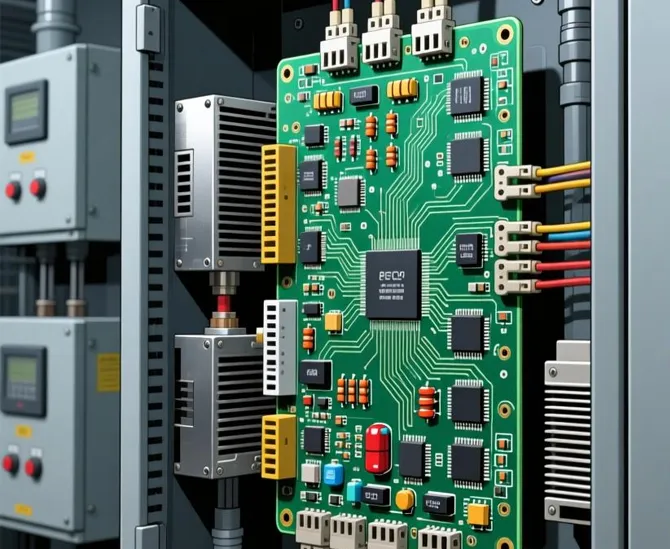
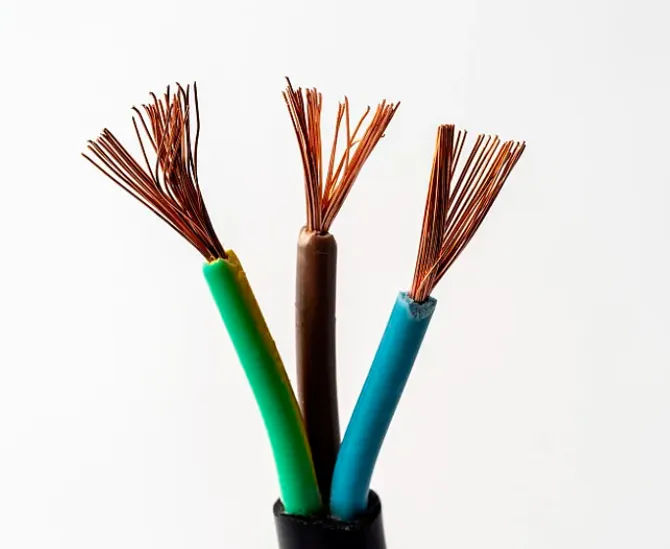
Harness integration is the process of installing and interfacing cable and wire harness assemblies into a complete electrical or electromechanical system.
Successful harness integration ensures that electrical connectivity, mechanical stability, and serviceability are achieved without introducing stress, interference, or long-term reliability risks.
At China 365PCB, harness integration is treated as a system-level engineering activity, closely coordinated with cable manufacturing, PCB assembly, and final product build.
Role of Harness Integration in System Architecture
A wire harness is not an isolated component—it is part of the overall system architecture.
Key integration objectives include:
· Correct electrical interfacing with PCBs and modules
· Mechanical compatibility with enclosures and structures
· Clear separation of power, signal, and data paths
· Ease of installation, inspection, and servicing
Poor integration can negate even a well-manufactured harness.
Further reading: Wire Harness Design: Engineering Foundations for Reliable Cable Assemblies
Interface Definition and Connection Management
Harness integration begins with clearly defined interfaces.
Critical aspects:
· Connector orientation and mating direction
· Connector accessibility during assembly
· Pin assignment validation
· Connector locking and secondary retention
Clear interface definition reduces assembly errors and rework during production.
Mechanical Fit, Routing, and Strain Control
Mechanical integration directly affects harness durability.
Integration considerations include:
· Defined routing paths within the enclosure
· Controlled bend radius and slack management
· Proper strain relief at connection points
· Avoidance of sharp edges, heat sources, and moving parts
Mechanical stress control prevents wire fatigue and connector damage over time.
Electrical Separation and EMI Considerations
Harness integration must preserve electrical performance.
Key practices:
· Separation of power and signal harness branches
· Grounding and shielding continuity
· Controlled routing for sensitive signal lines
· Minimization of EMI coupling with mechanical structures
Proper integration supports stable signal transmission and EMC compliance.
Assembly Sequencing and Process Coordination
Harness integration is closely linked to the overall assembly process.
Integration planning includes:
· Assembly sequence definition
· Temporary fixing and final fastening methods
· Access planning for connectors and fasteners
· Coordination with PCB and module installation
Well-defined sequencing improves assembly efficiency and consistency.
Validation During System Assembly
Integrated harnesses are validated during system build.
Validation activities:
· Visual inspection of routing and fixation
· Connector engagement verification
· Functional testing at system level
· Detection of pinched wires or misrouting
Early validation prevents downstream failures and field issues.
Serviceability and Maintenance Considerations
Long-term system reliability depends on service-friendly integration.
Design and integration should allow:
· Connector access for replacement
· Clear harness identification and labeling
· Modular replacement of sub-assemblies
· Minimal disassembly for servicing
Serviceable integration reduces lifecycle cost.
Documentation and Installation Guidance
Clear documentation supports repeatable integration.
Typical deliverables include:
· Harness installation drawings
· Routing and fixation guidelines
· Connector identification tables
· System-level assembly instructions
Documentation bridges engineering design and production execution.
Related reading: Cable Harness Manufacturing: Process Control for Reliable Electrical Interconnections
Harness Integration at China 365PCB
At China 365PCB, one of the most experienced wire harness and cable assembly manufacturers in China, harness integration is fully aligned with:
· Wire harness design
· Custom cable and harness manufacturing
· PCB assembly and box-build services
· System-level testing and validation
We support:
· Embedded and industrial systems
· Complex multi-harness architectures
· Prototype and production builds
· Integrated EMS solutions
Effective harness integration ensures system reliability beyond individual components.
David Li
David Li is the Technical Communications Director at China 365PCB, with over 15 years of hands-on experience in the PCB and electronics manufacturing industry. Holding a Master’s degree in Electrical Engineering, he has worked extensively in both R&D and manufacturing roles at leading multinational electronics firms in Shenzhen before joining our team.
His expertise spans high-speed digital design, advanced packaging (HDI, Flex), and automotive-grade reliability standards. David is passionate about bridging the gap between design intent and production reality—a philosophy that aligns perfectly with 365PCB’s mission to deliver seamless, rapid, and fully-integrated manufacturing solutions.
Follow David’s insights on PCB technology trends and best practices here on the 365PCB Knowledge Hub.
 English