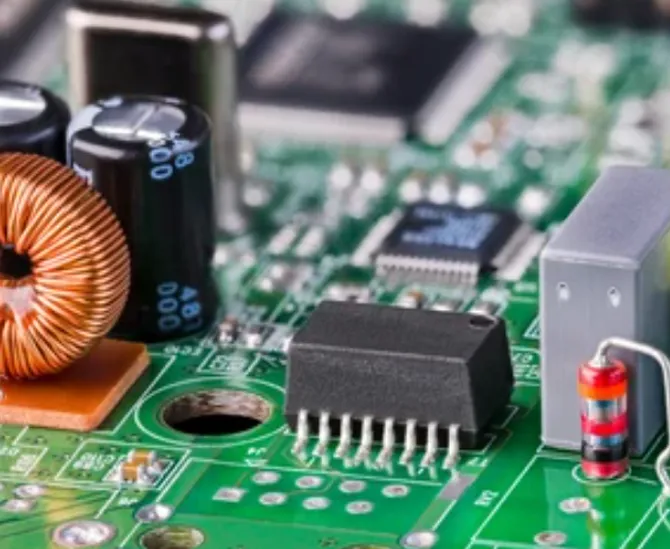
Transforming an electronic schematic from a digital concept into a functional, physical reality is the most critical phase of hardware development. Engineers, procurement managers, and hardware startups face a pivotal decision when determining the optimal fabrication route. Understanding the myriad ways to get a PCB printed dictates not only your project budget but also the structural reliability, signal integrity, and time-to-market of your final product. A misstep in selecting your manufacturing channel can result in catastrophic field failures, unacceptable delays, and severe financial losses.
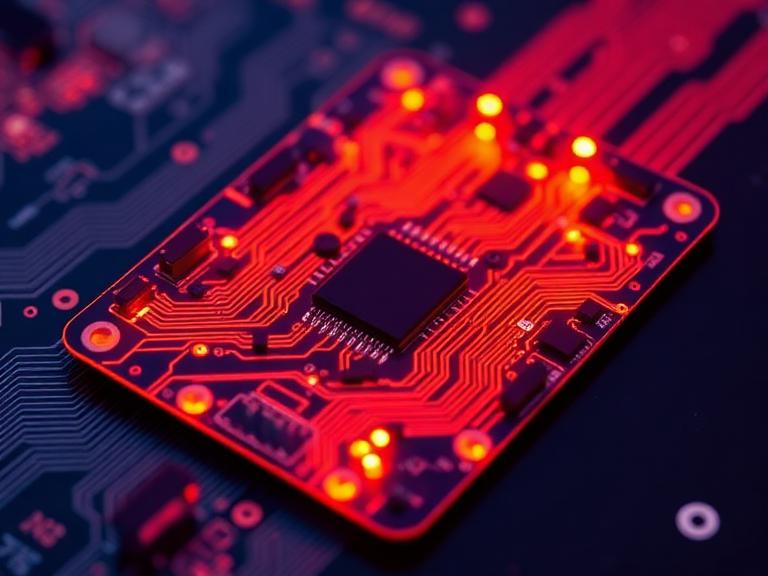
From our experience operating within the global electronics supply chain, there is a profound difference between hobbyist fabrication techniques and industrial-grade manufacturing. China 365PCB operates as a fully self-operated, full-industry-chain manufacturing group. With over 15 years of experience, we operate over 100,000 square meters of production area. Because all facilities are self-owned and self-managed, we ensure total quality control, full process traceability, and unmatched production flexibility. When evaluating the ways to get a PCB printed, we recommend analyzing your project's scalability, technical complexity, and required lead times. In this authoritative guide, we will dissect the 6 primary ways to get a PCB printed, detailing the advantages, inherent risks, and technical limitations of each method to help you make an informed manufacturing decision.
1. Chemical Etching at Home
For decades, the most basic among the ways to get a PCB printed has been DIY chemical etching. This involves transferring a laser-printed circuit layout onto a copper-clad FR4 board using heat, and then submerging the board in a corrosive chemical bath, such as ferric chloride or ammonium persulfate, to dissolve the unprotected copper.
While this method serves as an excellent educational tool for students, we do not recommend chemical etching for any professional or commercial application. The process is inherently dangerous, environmentally toxic, and lacks the precision required for modern electronics. You cannot achieve plated through-holes (PTH), multi-layer stack-ups, or solder masks using this technique. If your layout utilizes fine-pitch surface mount devices (SMD), chemical etching will yield unusable, short-circuited boards.
2. Desktop CNC Milling
Another popular entry-level method among the ways to get a PCB printed is desktop CNC isolation routing. Instead of using chemicals, a high-speed mechanical spindle utilizes microscopic end mills and V-bits to carve away the copper, isolating the desired electrical traces.
Desktop milling is significantly cleaner than chemical etching and provides an immediate turnaround time for single-sided or simple double-sided prototypes. However, it shares the same fatal flaws as etching: it cannot produce plated vias, it lacks a protective solder mask, and it cannot perform surface finish treatments to prevent copper oxidation. Furthermore, the mechanical tolerances of desktop CNC routers are entirely insufficient for complex geometries. We recommend abandoning this method once your design progresses beyond simple through-hole components.
3. Local Quick-Turn Prototype Facilities
When professional engineers search for ways to get a PCB printed rapidly, they often turn to domestic, local quick-turn fabrication shops. These facilities specialize in localized, low-volume production, often boasting 24-hour or 48-hour turnaround times for standard rigid boards.
The primary advantage here is geographical proximity and speed. However, the financial implications are often staggering. Local prototype shops carry massive overhead costs, including local labor rates and domestic material procurement. Consequently, the unit cost per board is exceptionally high. While this is an acceptable strategy for emergency revisions, attempting to scale production using a local prototype facility will obliterate your hardware budget. Additionally, many of these local shops lack the in-house capabilities to handle advanced materials or layer counts exceeding 8 layers.
4. PCB Brokerage and Sourcing Agents
As hardware companies look to reduce costs, utilizing a PCB broker is one of the most common ways to get a PCB printed. A broker acts as a middleman; they take your Gerber files, solicit bids from various hidden factories, and manage the logistics for a markup fee. On the surface, this appears to simplify the procurement process.
From our experience, relying on brokerage introduces unacceptable supply chain vulnerabilities. You have zero visibility into which factory is actually fabricating your boards. If a quality defect occurs, the broker must relay information between you and the anonymous manufacturer, resulting in severe communication delays and a lack of accountability. At China 365PCB, our commitment states that we never outsource, never compromise. We believe true manufacturing excellence lies in full process traceability, which is entirely lost when utilizing a sourcing agent.
5. Standard Offshore Fabrication (Bare Board Only)
For procurement teams optimizing their budgets, engaging directly with an offshore fabrication facility is one of the standard ways to get a PCB printed. In this scenario, you submit your design files to a factory, and they manufacture the bare printed circuit boards based on your specifications, shipping them to your assembly house.
While this method secures excellent pricing and industrial-grade quality, it still leaves you with a fragmented supply chain. You are responsible for coordinating the bare board fabrication, procuring the electronic components from various distributors, and managing a separate Surface Mount Technology (SMT) assembly partner. If the bare board footprint does not match the sourced component, the resulting finger-pointing between your fabrication and assembly vendors can stall your product launch for weeks.
6. Full-Industry-Chain Turnkey Manufacturing
Of all the ways to get a PCB printed, utilizing a full-industry-chain turnkey manufacturer is unequivocally the most efficient, reliable, and scalable method available in 2026. This model consolidates every aspect of hardware realization under a single, unified command structure.
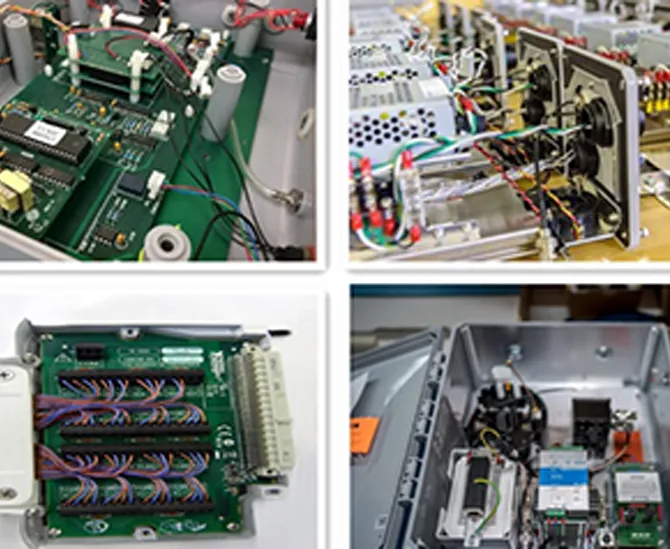
China 365PCB exemplifies this ultimate methodology. We manage the entire lifecycle: from PCB fabrication and SMT assembly to online electronic component sourcing and integration, CNC machining, and cable harness assembly. We provide complete OEM/ODM solutions. From PCB to OEM integration, every board, every circuit, and every connection is made within our own facilities. This ensures you always get faster delivery, higher quality, and absolute reliability. With a one-stop turnkey service from design to delivery, we guarantee no delay, no excuses, truly realizing 365 days of fast manufacturing for global customers.
7. Navigating Specialized Board Requirements
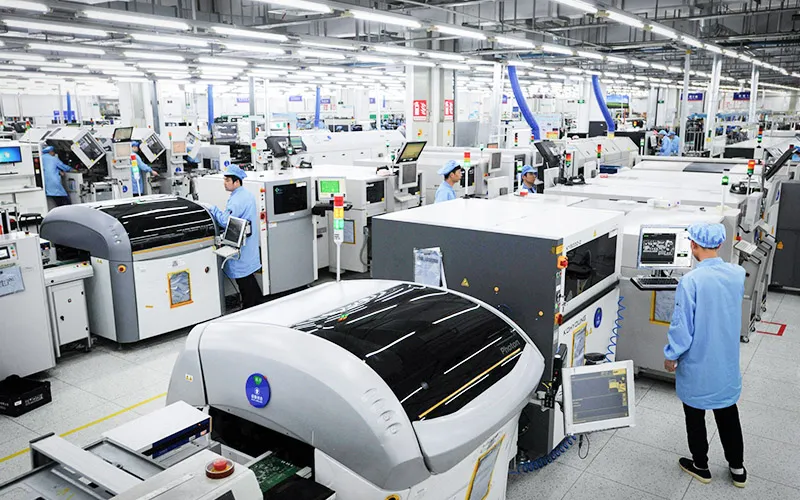
The specific ways to get a PCB printed become highly restricted when your engineering requirements move beyond standard FR4 materials. Advanced electronic architectures demand specialized substrates and complex manufacturing technologies that only top-tier facilities can execute.
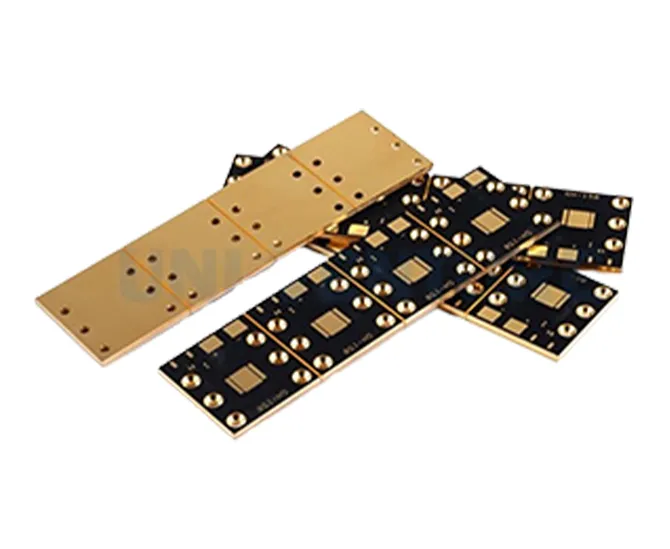
For hardware requiring dynamic mechanical movement or spatial optimization, such as medical wearables or aerospace instrumentation, we engineer precise Rigid Flex PCB and Flex-Rigid Board solutions. These require intricate lamination cycles and flexible polyimide cores that standard prototype shops cannot process. If your design involves high-power LED lighting or automotive power inverters, thermal management is critical; we recommend utilizing a Metal Core PCB or an Aluminum PCB to dissipate heat effectively. For high-current industrial motor controllers, our Heavy Copper PCB capabilities ensure safe power distribution without delamination.
Furthermore, telecommunications and radar systems operate at extreme frequencies where signal loss is unacceptable. To accommodate this, we process advanced Teflon and ceramic-filled PTFE substrates to fabricate pristine High-Frequency PCB and Radio Frequency PCB layouts. Finally, for high-density computing requiring thousands of microscopic connections, our HDI PCB (High Density Interconnect) lines utilize laser-drilled microvias and sequential lamination, representing the absolute pinnacle of printed circuit board fabrication.
8. Summary Table: Comparing the 6 Ways to Get a PCB Printed
To assist your engineering and procurement teams, we have compiled a definitive comparison of the various ways to get a PCB printed based on professional viability and scalability.
| Fabrication Method | Quality & Precision | Cost Efficiency | Scalability | Warranted Use Case |
|---|
| 1. Chemical Etching | Extremely Low | High (Low upfront cost) | None | Educational demonstrations only. |
| 2. Desktop CNC Milling | Low (No PTH, No Mask) | High (Low material cost) | None | Basic, single-layer hardware verification. |
| 3. Local Quick-Turn Prototype | High | Very Low (Expensive per unit) | Poor | 24-hour emergency engineering revisions. |
| 4. Brokerage / Sourcing Agents | Variable (Hidden sources) | Moderate | Moderate | Companies lacking procurement staff (Not Recommended). |
| 5. Standard Offshore Fabrication | High | High | Excellent | Companies with robust internal SMT assembly lines. |
| 6. Full Turnkey Manufacturing (China 365PCB) | Absolute (Total Traceability) | Excellent (Consolidated Logistics) | Infinite | Professional startups, enterprise hardware, complex OEM/ODM integration. |
9. Frequently Asked Questions (FAQs)
What is the most cost-effective among the ways to get a PCB printed for mass production?
From our experience, full turnkey manufacturing is the most financially efficient model for volume production. By utilizing a single manufacturer like China 365PCB for fabrication, component sourcing, and SMT assembly, you eliminate the margin stacking, shipping delays, and logistical overhead associated with managing multiple disjointed vendors.
Can I use a broker to find ways to get a PCB printed if I need a Rigid Flex PCB?
We strongly advise against using brokers for highly complex technologies like a Rigid Flex PCB or HDI PCB. These boards require intense engineering dialogue regarding stack-ups, impedance, and bend radiuses. Brokers block direct communication with the factory engineers, often leading to critical manufacturing errors.
Why does China 365PCB emphasize never outsourcing?
At 365PCB, our commitment centers on Speed, Precision, and Responsibility. By keeping 100,000 square meters of production area self-owned and self-managed, we maintain total quality control. If a defect occurs, we identify and rectify it immediately within our own walls, ensuring absolute reliability for your project.
What are the fastest ways to get a PCB printed for a prototype?
If you need a bare board in 24 hours, a local domestic quick-turn shop is the fastest physical option, albeit the most expensive. However, if you require a fully assembled, verified prototype, China 365PCB offers expedited turnkey prototyping that delivers retail-ready boards significantly faster than managing the fab, sourcing, and assembly yourself.
10. Industry References
To further educate your team on advanced electronics manufacturing, quality standards, and the optimal ways to get a PCB printed, we recommend consulting the following authoritative industry resources:
 English