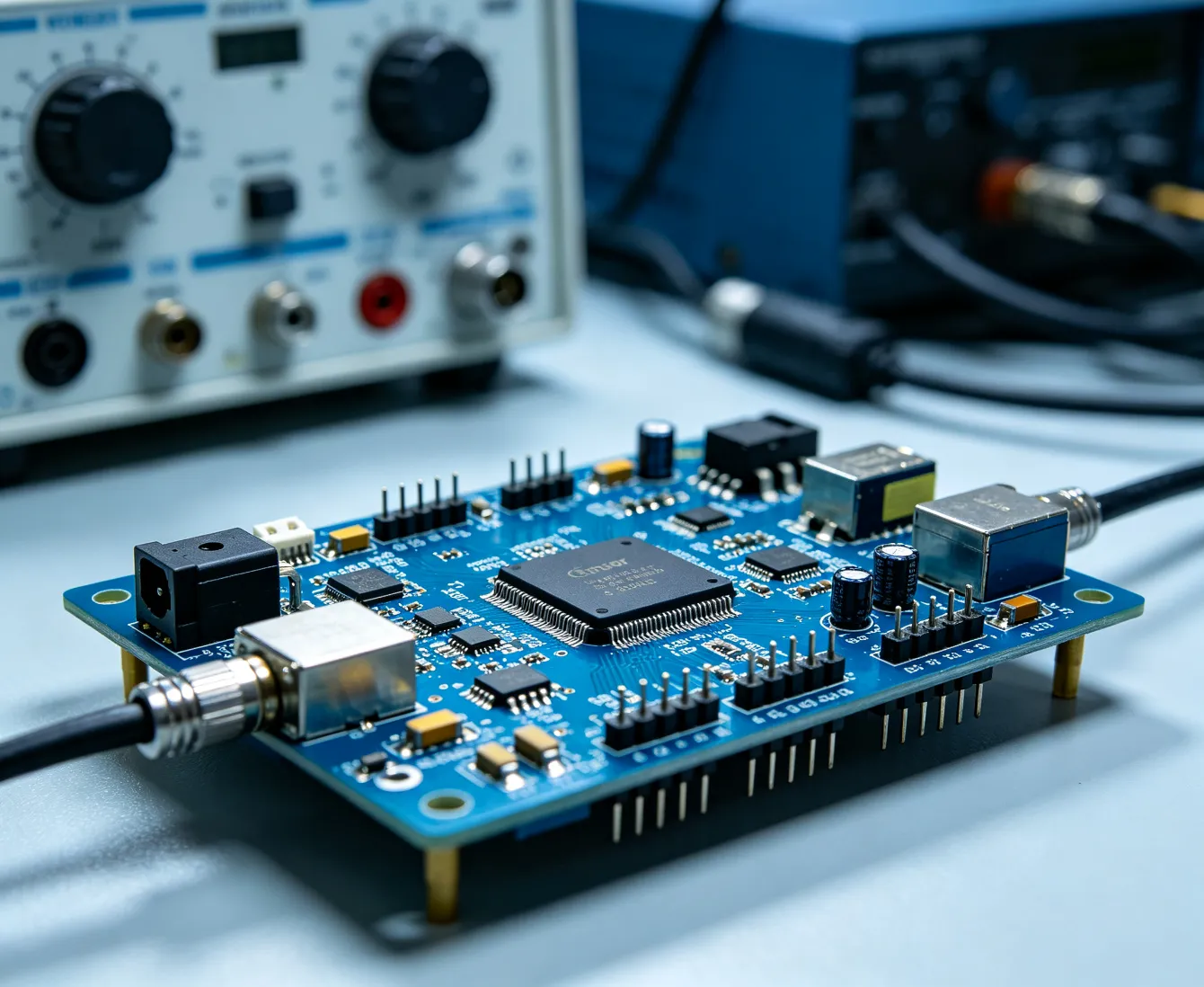
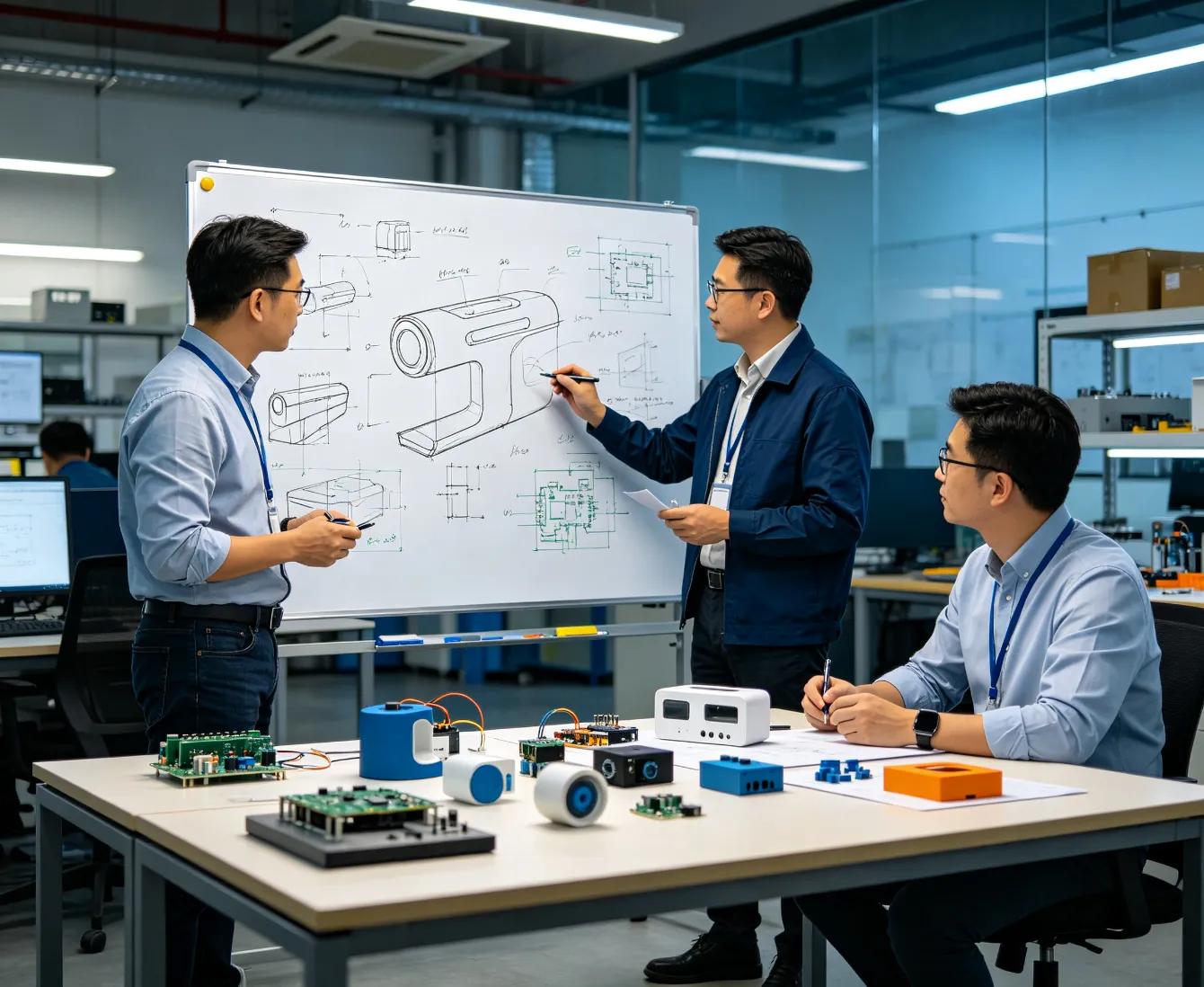
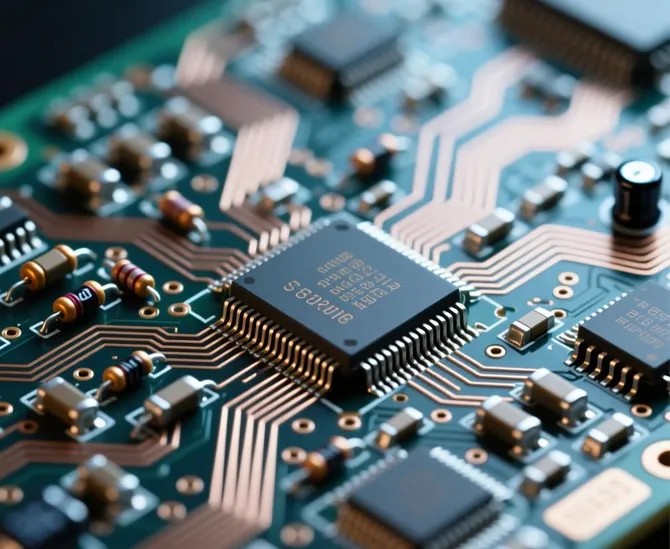
Electronics Contract Manufacturing (ECM) is more than outsourced assembly.
From a technical engineering perspective, ECM is a system-level integration process that transforms product concepts into reliable, manufacturable, and scalable electronic systems.
Modern ECM requires deep alignment across design intent, manufacturing processes, supply chain control, testing, and lifecycle management.
At China 365PCB, a leading China electronics manufacturer, electronics contract manufacturing is managed as an engineering-centered, end-to-end solution, supporting customers from early development through volume production and long-term sustainment.
Engineering-Centered ECM Philosophy
Effective ECM begins with engineering involvement, not production handoff.
Key engineering principles include:
· Early design-for-manufacturability (DFM) analysis
· Design-for-assembly (DFA) and design-for-test (DFT) alignment
· Risk identification at schematic, layout, and BOM stages
Engineering-led ECM reduces redesign cycles, improves yield, and shortens time to market.
Design-to-Manufacturing Integration
A fully integrated ECM provider ensures seamless transition from design to production.
Technical integration includes:
· PCB stack-up and fabrication capability alignment
· Component footprint and package validation
· Assembly process compatibility (SMT, THT, mixed technology)
Close coupling between design and manufacturing prevents latent production issues.
Advanced PCB Fabrication and Assembly Integration
PCB manufacturing quality directly impacts system reliability.
Integrated ECM capabilities include:
· Multilayer, HDI, and high-speed PCB fabrication
· Controlled impedance and material selection
· SMT, BGA, fine-pitch, and mixed-technology assembly
Manufacturing precision supports both performance and long-term durability.
Component Engineering and Supply Chain Control
Component sourcing is a technical risk factor, not only a commercial one.
Engineering-focused ECM addresses:
· Component lifecycle and obsolescence risk
· Approved alternates and second-source planning
· Anti-counterfeit verification and traceability
· BOM cost, availability, and risk optimization
This approach stabilizes production in volatile component markets.
Cable, Harness, and Electromechanical Integration
Modern electronic products extend beyond PCBs.
Integrated ECM includes:
· Custom cable and wire harness design and assembly
· Connector selection and termination engineering
· Mechanical and electromechanical integration
· Box-build and system-level assembly
System integration ensures functional and mechanical compatibility.
Related reading: System Integration: Hardware, Software, and Test Engineering for Complete Electronic Systems
Testing, Validation, and Quality Assurance
Testing is embedded throughout the ECM process.
Engineering-driven testing includes:
· In-circuit and functional testing
· Electrical, signal integrity, and power validation
· Environmental and stress testing (as required)
· System-level verification
Comprehensive testing confirms performance and reliability.
Process Control and Manufacturing Discipline
Consistent quality requires controlled processes.
Key elements:
· Standardized work instructions
· Tooling and process qualification
· In-process inspection and SPC
· Continuous improvement and corrective action
Process discipline ensures repeatability across production volumes.
Documentation, Traceability, and Compliance
Engineering-grade ECM relies on documentation and transparency.
Deliverables include:
· Manufacturing and test records
· Component and batch traceability
· Change management (ECO) control
· Compliance with IPC, UL, and customer standards
Traceability supports audits, quality assurance, and long-term support.
Lifecycle Support and Sustaining Engineering
ECM extends beyond initial production.
Lifecycle support includes:
· Obsolescence monitoring and mitigation
· Last-time-buy and inventory strategy
· Engineering support for product updates
· Field issue analysis and corrective action
Sustaining engineering protects long-term product viability.
Electronics Contract Manufacturing at 365PCB
At 365PCB, electronics contract manufacturing integrates:
· Engineering-driven design support
· Advanced PCB fabrication and assembly
· Component sourcing and verification
· Cable, harness, and box-build assembly
· Testing, quality assurance, and lifecycle management
We support:
· Prototype to mass production programs
· Industrial and high-reliability applications
· Long-lifecycle products
· End-to-end EMS partnerships
Engineering integration is the foundation of reliable electronics manufacturing.
ECM Capability Matrix: Engineering-Driven Electronics Contract Manufacturing
This ECM Capability Matrix provides a structured overview of the technical and manufacturing capabilities offered by China 365PCB as an engineering-driven electronics contract manufacturing partner.
The matrix reflects actual process coverage, engineering depth, and integration capability across the full product lifecycle—from early design support to volume production and sustaining engineering.
1. Engineering & Design Support
Capability Area | Description |
DFM / DFA / DFT Analysis | Early-stage manufacturability, assembly, and testability review |
PCB Stack-up & Material Engineering | High-speed, high-frequency, HDI, and controlled impedance designs |
BOM Risk Assessment | Lifecycle, availability, cost, and sourcing risk evaluation |
Alternate & Second Source Planning | Engineering-approved substitutions and footprint compatibility |
Engineering Change Control (ECO) | Structured change management and impact analysis |
2. PCB Fabrication Capabilities
Capability Area | Description |
PCB Types | Single-layer to high-layer-count multilayer, HDI, rigid-flex |
Materials | FR-4, high-Tg, Rogers, metal-core, specialty laminates |
Line/Space & Via Technology | Fine line, microvias, blind/buried vias |
Surface Finishes | HASL, ENIG, ENEPIG, OSP, immersion silver/tin |
Fabrication Quality Control | AOI, impedance testing, microsection analysis |
Get to know more about PCB Fabrication Process: PCB Fabrication Process: From Design Data to Finished Circuit Boards
3. PCB Assembly (PCBA)
Capability Area | Description |
Assembly Technologies | SMT, THT, mixed-technology assembly |
Component Handling | Fine-pitch, BGA, QFN, CSP, LGA |
Soldering Processes | Leaded and lead-free reflow, wave, selective solder |
Process Control | SPI, AOI, X-ray inspection |
Prototype & Volume Support | Fast-turn prototypes to mass production |
4. Component Engineering & Sourcing
Capability Area | Description |
Authorized & Controlled Sourcing | Approved vendor and channel control |
Anti-Counterfeit Measures | Visual, electrical, X-ray, and traceability verification |
Obsolescence & Lifecycle Management | EOL monitoring, last-time-buy planning |
Cost & Availability Optimization | Market-aware sourcing strategy |
Full Component Traceability | Lot-level documentation and records |
5. Cable, Harness & Interconnect Assembly
Capability Area | Description |
Custom Cable Assembly | Application-specific cable design and manufacturing |
Wire Harness Design & Manufacturing | Multi-branch, complex harness systems |
Connector Selection & Termination | Crimp, solder, IDC termination engineering |
Shielding & EMI Control | Foil, braid, grounding strategy |
Mechanical Protection | Sleeving, overmolding, strain relief |
6. Box-Build & System Integration
Capability Area | Description |
Electromechanical Assembly | PCB, cable, mechanical integration |
Enclosure Assembly | Panel mounting, mechanical fastening |
System Wiring & Routing | Harness integration and strain management |
Functional Subsystem Integration | Modular system build |
Configuration Management | Product variants and configuration control |
7. Testing & Quality Assurance
Capability Area | Description |
In-Circuit & Functional Testing | Electrical and functional verification |
Signal & Power Validation | SI, PI, and load testing |
Environmental & Stress Testing | Thermal, vibration (as required) |
Process Quality Control | Incoming, in-process, and final inspection |
Documentation & Test Records | Traceable test and inspection data |
8. Manufacturing Process Control
Capability Area | Description |
Standardized Work Instructions | Controlled and repeatable processes |
Tooling & Equipment Qualification | Certified tooling and calibration |
SPC & Yield Monitoring | Process stability and continuous improvement |
Non-Conformance Management | Root cause analysis and corrective action |
Production Scalability | Prototype to volume transition |
9. Compliance, Documentation & Traceability
Capability Area | Description |
Standards Compliance | IPC, UL, customer-specific standards |
Traceability | Component, batch, and process traceability |
Audit Support | Customer and regulatory audits |
Documentation Control | Manufacturing records and ECO history |
Change Management | Structured revision control |
10. Lifecycle & Sustaining Engineering
Capability Area | Description |
Obsolescence Monitoring | Early warning and mitigation |
Sustaining Engineering | Design updates and support |
Field Failure Analysis | Root cause and corrective action |
Long-Term Supply Support | Lifecycle planning and inventory strategy |
Continuous Improvement | Feedback-driven process enhancement |
ECM Capability Summary
365PCB ECM capabilities are built on:
· Engineering-driven decision-making
· Integrated manufacturing processes
· Controlled sourcing and quality systems
· Full lifecycle and risk management
This matrix reflects a true end-to-end ECM model, not a fragmented service offering.
Engineering integration is the core of reliable electronics contract manufacturing.
David Li
David Li is the Technical Communications Director at China 365PCB, with over 15 years of hands-on experience in the PCB and electronics manufacturing industry. Holding a Master’s degree in Electrical Engineering, he has worked extensively in both R&D and manufacturing roles at leading multinational electronics firms in Shenzhen before joining our team.
His expertise spans high-speed digital design, advanced packaging (HDI, Flex), and automotive-grade reliability standards. David is passionate about bridging the gap between design intent and production reality—a philosophy that aligns perfectly with 365PCB’s mission to deliver seamless, rapid, and fully-integrated manufacturing solutions.
Follow David’s insights on PCB technology trends and best practices here on the 365PCB Knowledge Hub.
 English