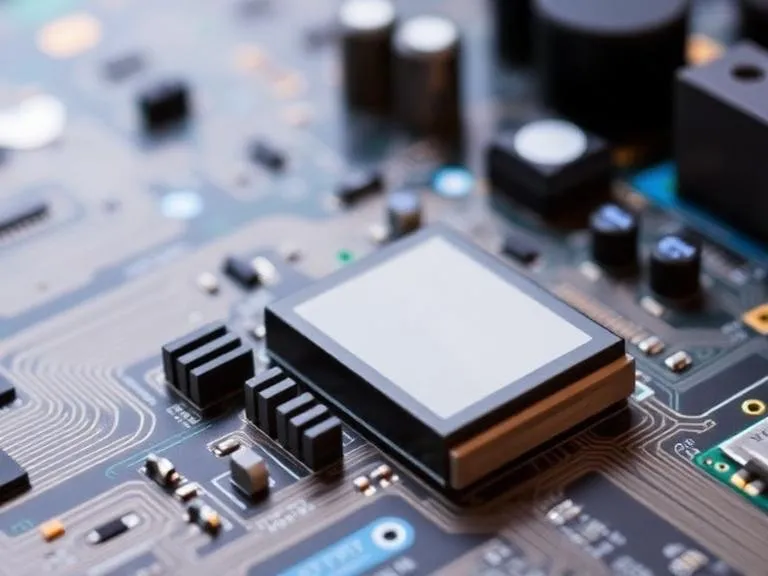
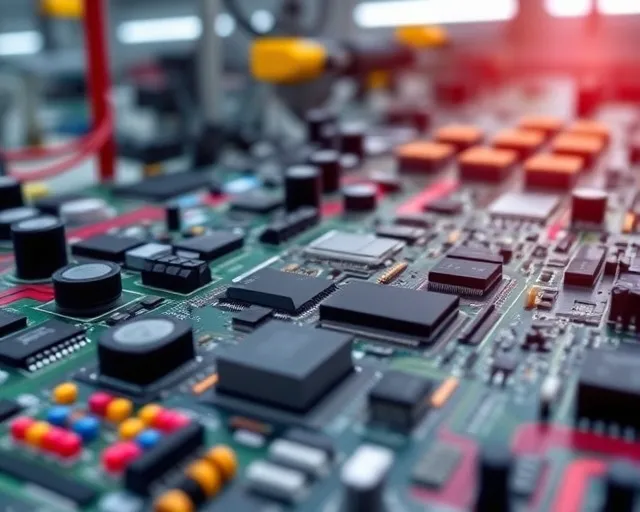
In the modern electronics industry, the demand for high-density, reliable, and perfectly fabricated printed circuit boards is non-negotiable. Whether you are developing advanced telecommunications infrastructure, medical devices, or automotive control systems, the fundamental process to print a custom circuit board dictates the final performance and longevity of your hardware. The fabrication of these intricate platforms involves a complex symphony of photolithography, chemical etching, mechanical drilling, and rigorous electrical validation.
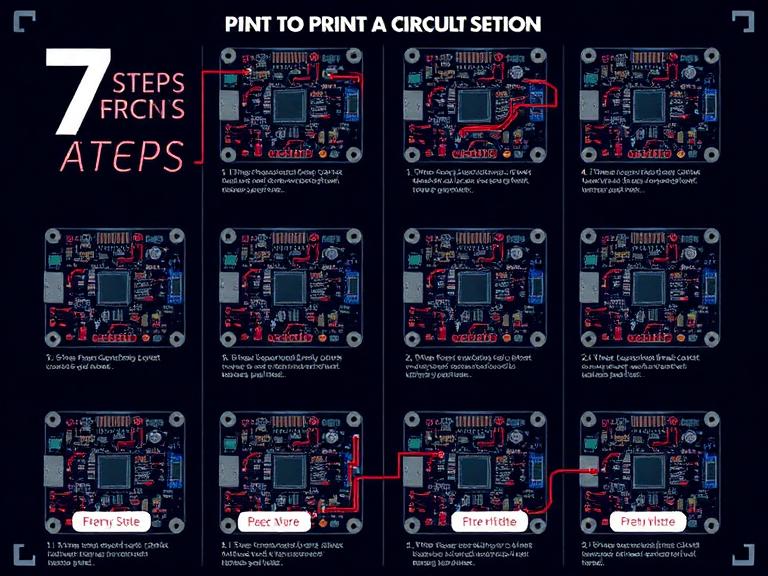
From our experience at China 365PCB, achieving true manufacturing excellence requires absolute control over every single variable in the production line. As a fully self-operated, full-industry-chain manufacturing group, we oversee everything from PCB fabrication and SMT assembly to complete OEM/ODM solutions. With over 15 years of experience and operating across a 100,000 square meter production area, all our facilities are self-owned and self-managed. We never outsource, never compromise. This methodology ensures total quality control, full process traceability, and unmatched production flexibility. When engineers decide to print a custom circuit board, they must understand the rigorous engineering steps involved in transforming digital Gerber files into highly functional hardware. In this comprehensive technical guide, we will break down the essential steps to successfully print a custom circuit board.
Summary Table: Fabrication Process Overview
To print a custom circuit board effectively, manufacturers follow a stringent sequence of electromechanical and chemical processes. Below is a high-level overview of the critical manufacturing stages.
| Process Stage | Engineering Objective | Critical Parameters |
|---|
| DFM Review | Validate design against manufacturing capabilities | Trace widths, clearance, annular ring sizes |
| Inner Layer Imaging | Transfer digital circuitry to copper clad laminate | UV exposure accuracy, photoresist adhesion |
| Lamination | Bond individual layers into a solid multilayer board | Temperature, hydraulic pressure, prepreg curing |
| Drilling | Create electrical interconnects between layers | Drill bit precision, aspect ratio, registration |
| Surface Finish | Protect exposed copper and ensure solderability | Coating thickness, oxidation prevention, shelf life |
| Electrical Testing | Verify continuity and isolation of all nets | Capacitance, resistance thresholds, net list matching |
Step 1: Data Processing and DFM Review

The very first action required to print a custom circuit board occurs entirely in the digital realm. Once a client submits their Gerber files or ODB++ data, our engineering team conducts a rigorous Design for Manufacturability (DFM) review. We recommend that designers never skip this step, as identifying topological errors before fabrication saves immense time and capital.
During the DFM phase, we verify that trace widths, spacing, hole sizes, and annular rings meet our strict fabrication tolerances. If a design features extremely dense routing, we must ensure that the chemical etching process will not cause trace degradation or shorts. Once the data is validated, precise phototools (film masks) are plotted using ultra-high-resolution laser photoplotters. These films act as the physical stencils required to print a custom circuit board.
Step 2: Inner Layer Imaging and Etching
For multilayer boards, the process to print a custom circuit board begins with the inner layers. We start with a core material, typically an FR4 laminate clad with copper on both sides. The copper is chemically cleaned and coated with a layer of photosensitive film called photoresist.
The phototools created in the previous step are aligned over the photoresist, and the panel is exposed to intense ultraviolet (UV) light. The UV light polymerizes the photoresist over the intended copper traces, hardening it. The unexposed photoresist is then chemically developed and washed away, revealing the unwanted copper underneath. Next, an alkaline or cupric chloride etching solution removes the exposed copper, leaving only the hardened photoresist protecting the precise circuit patterns. Finally, the remaining photoresist is stripped away, revealing the perfect inner layer copper circuitry.
Step 3: Layer Alignment and Lamination
To print a custom circuit board with multiple layers, the etched inner layers must be bonded together with incredible precision. First, the inner layers undergo an oxide treatment to roughen the copper surface, promoting optimal adhesion. The layers are then stacked in a highly controlled environment, separated by sheets of prepreg (fiberglass impregnated with uncured epoxy resin) and capped with outer layers of solid copper foil.
From our experience, the lamination press is a critical juncture. The stack is placed into a hydraulic press where extreme heat and pressure are applied in a vacuum. The heat melts the epoxy resin in the prepreg, allowing it to flow and fill the gaps between the copper traces, eventually curing into a solid, unified multilayer board. For highly complex, high-density interconnect (HDI) designs, we frequently utilize Sequential Lamination PCB techniques. This involves multiple pressing cycles to accommodate advanced via structures that must connect specific internal layers without piercing the entire board.
Step 4: Precision Mechanical and Laser Drilling
Once the board is a solid laminated panel, we must create the pathways that will eventually connect the different layers electrically. To print a custom circuit board properly, drilling must be exact to the micron. Panels are stacked and pinned to CNC drilling machines operating at spindle speeds exceeding 100,000 RPM.
Depending on the design requirements, different drilling methodologies are deployed. Standard interconnects use mechanical drill bits to create Through-Hole PCB structures that span from the top layer to the bottom. However, for modern miniaturized electronics, we utilize specialized laser drilling to create Micro Via PCB structures. Furthermore, layers that were connected internally during sequential lamination will form a Buried Via PCB. The precision of this registration determines the absolute reliability of the board.
Step 5: Copper Plating and Outer Layer Imaging
After drilling, the holes are non-conductive because they expose the fiberglass substrate. To print a custom circuit board with functional interconnects, the entire panel undergoes a chemical process known as electroless copper deposition. This lays down a micro-thin layer of copper across the entire panel and inside the walls of the drilled holes, creating an initial conductive path.
We then apply photoresist to the outer layers and image the top and bottom circuitry, similar to the inner layer process. However, for the outer layers, we use a pattern plating method. We electroplate additional copper onto the exposed traces and into the vias to achieve the final required copper thickness. A layer of tin is then plated over the copper to act as an etch resist. The photoresist is stripped, and the underlying unwanted copper is etched away, leaving only the tin-protected circuit traces. Finally, the tin is chemically stripped, revealing the final outer layer copper topography.
Step 6: Solder Mask and Surface Finishes
Bare copper oxidizes rapidly when exposed to atmospheric conditions, rendering it unsolderable. To properly print a custom circuit board, it must be protected. First, a liquid photoimageable (LPI) solder mask is applied over the entire board. The mask is exposed to UV light, developed, and cured to protect the traces from oxidation and prevent solder bridges during the assembly process. This mask gives the PCB its iconic green (or custom colored) appearance.
The exposed copper pads that require component soldering must then receive a surface finish. We recommend selecting a finish based on your specific assembly requirements and storage shelf life. At China 365PCB, we offer a comprehensive suite of advanced surface finishes:
HASL(Lead-Free HASL)PCB: Hot Air Solder Leveling is a highly durable and cost-effective finish, ideal for standard through-hole and larger surface mount components.
OSP (Organic Solderability Preservative) PCB: A water-based, environmentally friendly organic compound that protects copper until soldering. It provides an exceptionally flat surface, essential for fine-pitch BGA components.
Immersion Silver PCB: Offers excellent conductivity and a highly planar surface, making it ideal for high-frequency signal routing and wire bonding applications.
Immersion Tin PCB: Provides a dense, flat finish that is highly compatible with press-fit pin insertion and ensures excellent solderability for backplane architectures.
Step 7: Profiling and Electrical Testing
The final physical manufacturing step to print a custom circuit board involves routing (or profiling) the individual boards out of the large production panel using CNC routers or V-scoring machines. But before any board leaves our facility, it must prove its electrical integrity.
We mandate 100% electrical testing on all fabricated boards. Using either a bed-of-nails fixture for high-volume production or flying probe testers for prototypes, we verify continuity (ensuring no open circuits) and isolation (ensuring no short circuits). Only when a board passes this rigorous digital comparison against the original netlist is it approved for packaging or advanced to our SMT assembly division.
The 365PCB Commitment: From PCB to OEM integration, every board, every circuit, every connection is made within our own facilities. By maintaining absolute control, we ensure you always get faster delivery, higher quality, and absolute reliability.
The Advantage of Turnkey Manufacturing at China 365PCB
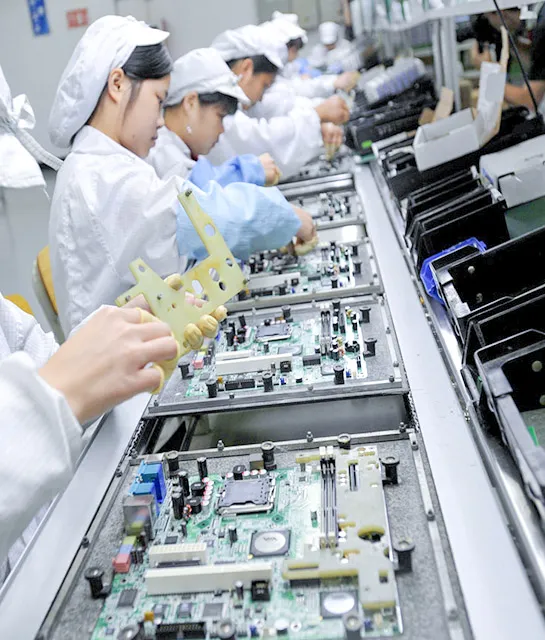
To successfully print a custom circuit board requires an orchestration of chemistry, optics, and mechanical engineering. When you rely on fragmented supply chains where fabrication is handled by one vendor and assembly by another, quality control suffers, and delivery timelines expand. At China 365PCB, our philosophy is simple: Speed, Precision, and Responsibility.
By operating a fully self-owned and self-managed facility spanning over 100,000 square meters, we offer a one-stop turnkey service from design to delivery. We guarantee no delays, and no excuses—truly realizing 365 days of fast manufacturing for our global customers. When you partner with us to print a custom circuit board, you are leveraging over 15 years of uncompromised manufacturing excellence.
Frequently Asked Questions (FAQs)
What is the most critical step when you print a custom circuit board?
While every step is vital, the Design for Manufacturability (DFM) review is arguably the most critical. If routing errors, insufficient clearances, or incorrect aspect ratios are not corrected before production begins, the board will inherently fail, regardless of the precision of the manufacturing equipment.
Why is sequential lamination used to print a custom circuit board?
Sequential lamination is required for high-density interconnect (HDI) boards that utilize complex via structures, such as blind and buried vias. Because these vias do not pass entirely through the board, specific inner layers must be laminated, drilled, and plated together before being laminated into the final full stack-up.
How do I choose the correct surface finish for my PCB?
We recommend basing your surface finish choice on the components you are mounting. For fine-pitch BGAs, flat finishes like OSP, Immersion Silver, or ENIG are required. If you need a robust finish with a long shelf life for standard components, Lead-Free HASL remains an excellent, cost-effective choice.
Why is in-house manufacturing important to print a custom circuit board?
Facilities that never outsource maintain total quality control. At China 365PCB, owning our full industry chain—from bare board fabrication to SMT assembly and cable harnessing—ensures full process traceability. This eliminates the communication errors and logistical delays common in fragmented supply chains.
Industry References
To ensure that your designs adhere to the highest international standards before you print a custom circuit board, we recommend consulting the following authoritative engineering resources:
 English