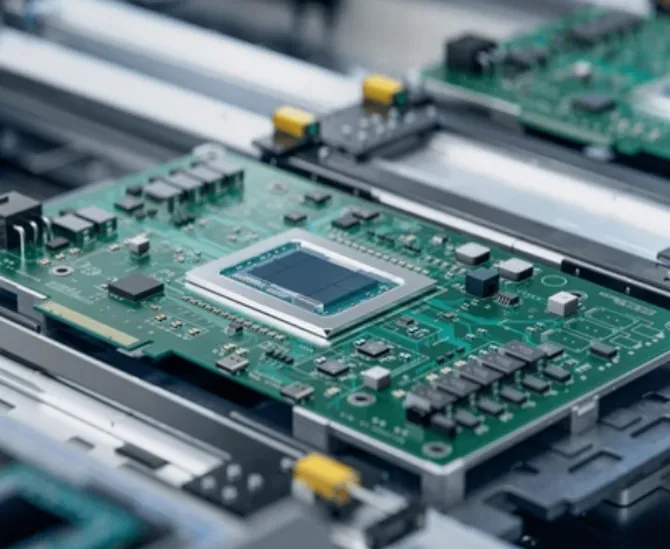
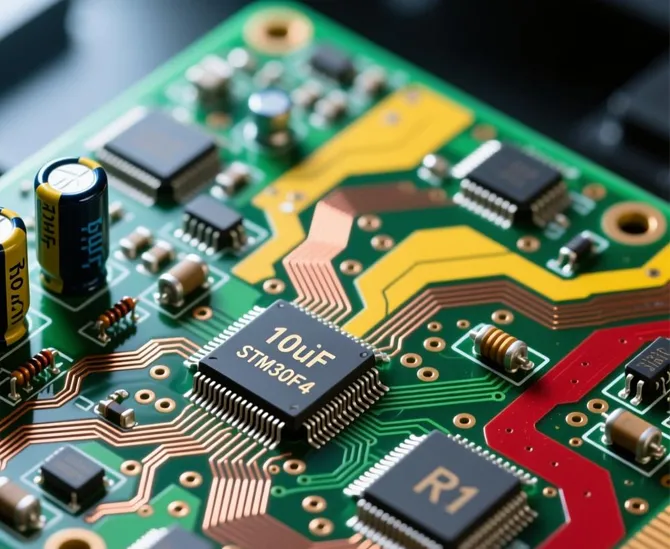
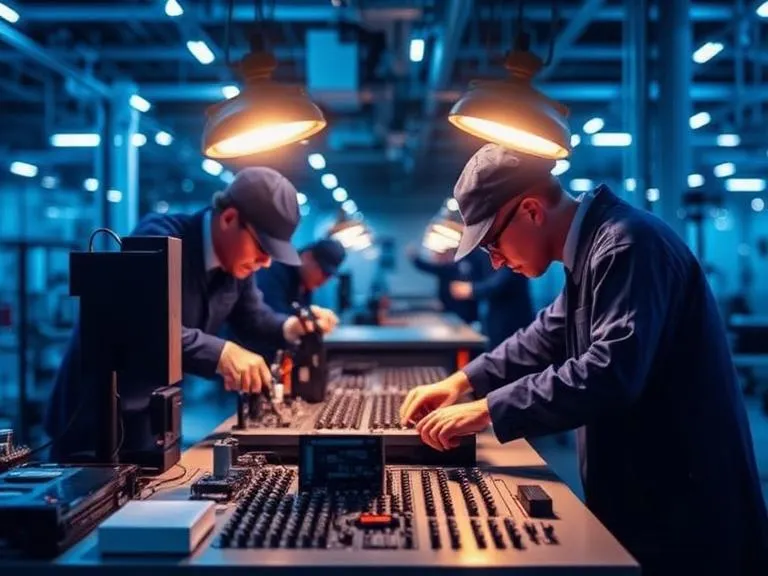
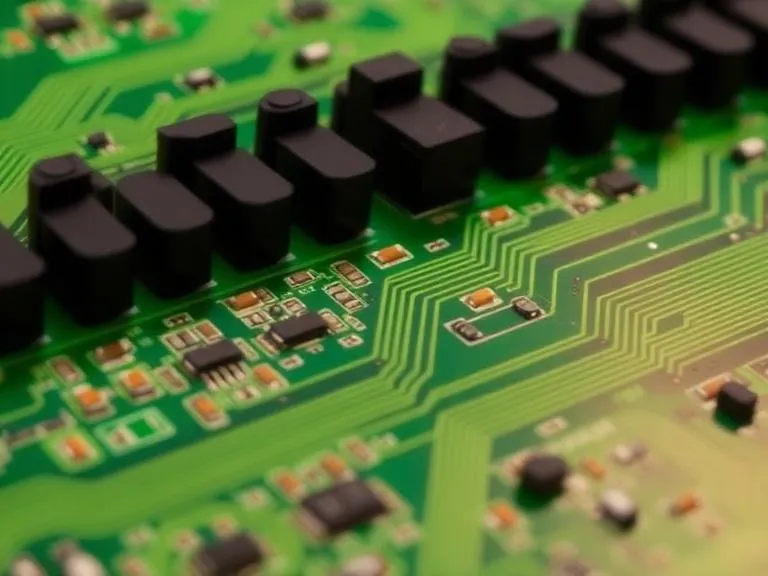
Understanding the intricacies of the circuit board manufacturing process is absolutely critical for hardware engineers, product designers, and procurement specialists. In today's hyper-connected world, the reliability of electronic devices hinges entirely on the quality of the bare board beneath the components. As electronics shrink in size while growing in processing power, the circuit board manufacturing process has evolved into a highly sophisticated orchestration of chemistry, photolithography, and precision engineering.
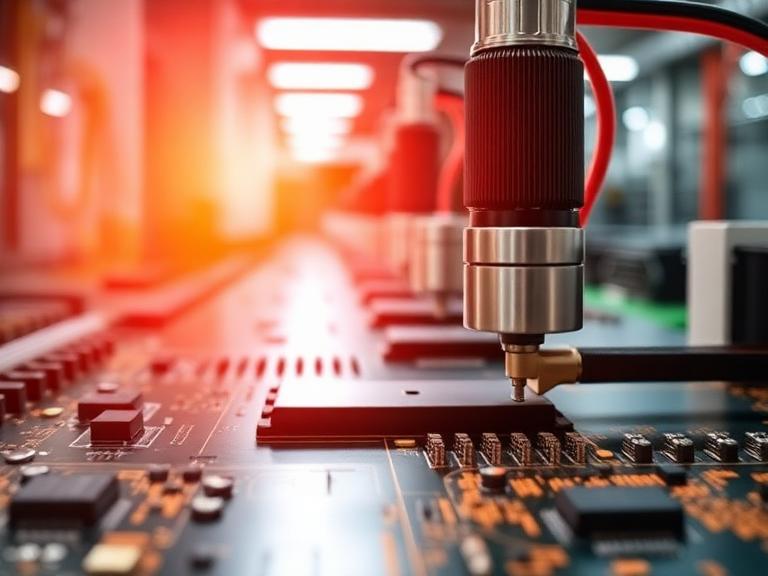
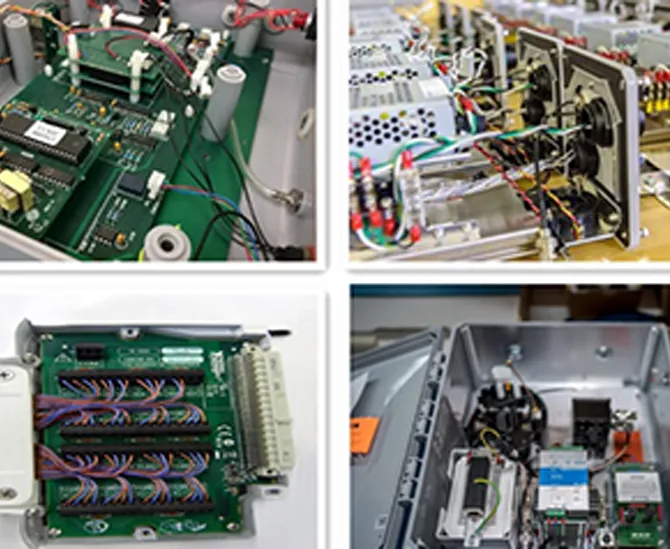
At China 365PCB, we are a fully self-operated, full-industry-chain manufacturing group. From PCB fabrication and SMT assembly to online electronic component sourcing, CNC machining, cable harness assembly, and complete OEM/ODM solutions, we handle it all internally. With over 15 years of industry experience, we operate more than 100,000 square meters of production area. All our facilities are self-owned and self-managed, ensuring total quality control, full process traceability, and unmatched production flexibility. We believe true manufacturing excellence lies in Speed, Precision, and Responsibility. We never outsource, never compromise.
In this authoritative guide, we will break down the 10 critical steps in the circuit board manufacturing process. From our experience, an in-depth understanding of these phases allows engineering teams to optimize their designs for manufacturability, ultimately reducing costs and accelerating time-to-market.
Summary Table: The 10 Key Steps
The circuit board manufacturing process transforms a digital Gerber file into a physical, highly conductive substrate. Below is a high-level summary of the critical phases involved in this transformation.
| Step # | Phase Name | Primary Objective | Key Equipment / Technology Used |
|---|
| 1 | Design Pre-Flight (DFM) | Validate design for manufacturability and catch errors early. | CAM Software, Engineering Review |
| 2 | Inner Layer Imaging | Transfer circuit patterns onto copper-clad laminates. | Laser Direct Imaging (LDI), Photoresist |
| 3 | Inner Layer Etching | Remove unwanted copper to reveal internal circuitry. | Alkaline/Acidic Etching Chemical Baths |
| 4 | Layer Alignment & AOI | Ensure exact registration and inspect for microscopic defects. | Optical Punch, Automated Optical Inspection |
| 5 | Lamination | Bond inner layers together with extreme heat and pressure. | Hydraulic Press, Prepreg, Copper Foil |
| 6 | CNC Drilling | Create vias and through-holes for inter-layer connectivity. | High-Speed CNC Drilling Machines |
| 7 | Copper Plating | Metallize drilled holes to allow electrical current flow. | Electroless Copper Deposition Baths |
| 8 | Outer Layer Etching | Form the final external circuitry and component pads. | Tin Plating, Etching Solutions |
| 9 | Solder Mask & Silkscreen | Protect circuitry from oxidation/shorts and add reference text. | LPI Ink, UV Curing, Inkjet Printers |
| 10 | Surface Finish & Testing | Protect exposed copper and verify electrical integrity. | Flying Probe Testers, Finish Baths (ENIG, HASL) |
Step 1: Design and Engineering Pre-Flight
The circuit board manufacturing process begins long before any physical materials are touched. Once a client submits their Gerber files, our CAM (Computer-Aided Manufacturing) engineers perform a rigorous Design for Manufacturability (DFM) check. From our experience, nearly 30% of designs submitted contain minor clearance or tolerance issues that could lead to manufacturing defects. We recommend utilizing our PCB Design Support Services to ensure your layout is perfectly optimized for the circuit board manufacturing process. This pre-flight phase checks minimum trace widths, annular ring sizes, and drill clearances, ensuring a seamless transition to the factory floor.
Step 2: Imaging and Printing the Inner Layers
After the design is validated, the physical circuit board manufacturing process commences. We start with a core material, typically FR4, which is pre-clad with copper on both sides. In modern facilities, we clean the copper surface and apply a layer of photoresist—a light-sensitive film. Using Laser Direct Imaging (LDI) technology, we expose the photoresist to UV light in the exact pattern of the internal circuitry. The UV light hardens the photoresist over the copper traces we wish to keep, while the unexposed areas remain soft and are washed away in a developer solution.
Step 3: Etching the Inner Layers
With the desired circuitry protected by hardened photoresist, the core panels enter the etching chemical baths. This is a highly controlled stage of the circuit board manufacturing process where an alkaline or acidic solution dissolves all the unprotected copper. Once the excess copper is removed, the hardened photoresist is chemically stripped away, leaving only the precise copper traces required for the inner layers of your Custom PCB.
Step 4: Layer Alignment and Optical Inspection
Before bonding the layers together, absolute precision is required. The inner layers undergo an optical punch process to create registration holes, ensuring perfect alignment. Subsequently, the panels pass through our PCB Actual Board Area (AOI) machines. Automated Optical Inspection compares the physical etched copper against the original digital design. From our experience, utilizing high-resolution AOI at this stage of the circuit board manufacturing process is the only way to catch microscopic shorts or opens before the board is permanently sealed.
Step 5: Lamination and Pressing
The lamination phase of the circuit board manufacturing process resembles building a highly complex sandwich. The inspected inner layers are stacked alternately with sheets of prepreg (fiberglass infused with partially cured epoxy resin) and outer layers of solid copper foil. These stacks are placed into massive hydraulic presses. Under extreme heat and pressure, the epoxy resin melts and flows, fusing the layers into a single, solid multi-layer board. Our strict thermal profiling ensures there are no voids or delamination risks.
Step 6: CNC Drilling
To connect the internal layers, we must drill holes (vias) through the laminated board. The circuit board manufacturing process relies on ultra-precise CNC drilling machines with spindles spinning upwards of 150,000 RPM. These drills map the exact coordinates provided by the CAM files. An X-ray machine is often used to locate the inner layer registration targets, ensuring the drill bit perfectly intersects the intended internal copper pads. The accuracy of this step dictates the ultimate reliability of the entire board.
Step 7: Plating and Copper Deposition
After drilling, the holes are lined with fiberglass and resin, which are non-conductive. To allow electrical signals to pass between layers, the circuit board manufacturing process utilizes a chemical phase called electroless copper deposition. The panels are submerged in a series of chemical baths that deposit a microscopic, uniform layer of copper across the entire surface of the board and inside the walls of every drilled hole. This critical step metallizes the vias, creating the foundational electrical connections.
Step 8: Outer Layer Imaging and Final Etching
The outer layers now undergo a similar imaging process to Step 2, but with a reverse approach. Photoresist is applied, and the areas that will not be copper traces are exposed and hardened. The board is electroplated with additional copper to build up the trace thickness, followed by a thin layer of tin. The tin acts as an etch resist. The hardened photoresist is stripped, and the board enters the final etching bath. The unwanted base copper is dissolved away, leaving only the tin-protected circuitry. Finally, the tin is chemically stripped, revealing the finished outer copper traces.
Step 9: Solder Mask and Silkscreen Application
To protect the exposed copper from oxidation and prevent solder bridges during component assembly, a Liquid Photo-Imageable (LPI) solder mask is applied across the entire board. The solder mask undergoes UV exposure to harden everywhere except the component pads. After development, the board receives its silkscreen—the white text and reference designators that guide engineers during assembly. The board is then baked in an oven to fully cure the mask and ink, representing the final visual stage of the circuit board manufacturing process.
Step 10: Surface Finishes and Final Testing
Bare copper pads oxidize quickly if left exposed to the air. Therefore, the final chemical step in the circuit board manufacturing process is applying a surface finish. Depending on the application, we recommend different finishes. For applications requiring extreme durability and high-wear resistance (such as edge connectors), we strongly recommend our Hard Gold PCB finish. Other common finishes include ENIG (Electroless Nickel Immersion Gold) and HASL.
Before any board leaves our facility, it must pass rigorous electrical validation. We utilize our PCB Electrical Testing Service to check for continuity and isolation, ensuring every net connects exactly as designed. For complex assemblies, we also offer a comprehensive PCB Functional Testing Service. Only boards that pass 100% of these tests are packaged and shipped to the client.
Why Choose China 365PCB for Your Circuit Board Manufacturing Process?
At 365PCB, we believe true manufacturing excellence lies in: Speed, Precision, and Responsibility. We never outsource, never compromise.
When you trust your circuit board manufacturing process to China 365PCB, you are partnering with a manufacturer that controls the entire supply chain. From a bare PCB to full OEM integration, every board, every circuit, and every connection is made within our own 100,000 square meter facilities. Whether you need a Quick Turn PCB for rapid prototyping or a High-Volume Production PCB run, our one-stop turnkey service guarantees no delays and no excuses—truly realizing 365 days of fast manufacturing for our global customers.
Frequently Asked Questions (FAQs)
What is the most critical step in the circuit board manufacturing process?
While every step is vital, layer alignment and inner layer etching are highly critical. If the inner layers are not etched perfectly or misaligned before lamination, the entire board is ruined, as inner layers cannot be repaired after pressing. This is why our AOI inspection is mandatory.
How long does the circuit board manufacturing process typically take?
The lead time depends entirely on the complexity, layer count, and volume. Standard prototypes can take 3 to 5 days. However, utilizing our Quick Turn PCB service, we can compress the circuit board manufacturing process to 24-48 hours for urgent requirements.
Why do you recommend a Hard Gold surface finish for certain PCBs?
From our experience, standard finishes like HASL or ENIG degrade quickly when subjected to repeated physical friction (like inserting and removing a board from a PCIe slot). We recommend a Hard Gold PCB finish because it provides an incredibly durable, oxidation-resistant surface ideal for high-wear contact points.
Does China 365PCB outsource any part of the circuit board manufacturing process?
No. We never outsource. Our entire circuit board manufacturing process—from bare board fabrication and SMT assembly to functional testing—is conducted 100% within our self-owned and self-managed facilities. This ensures absolute reliability and complete process traceability.
Industry References
To further understand the global standards that govern the circuit board manufacturing process, we highly recommend consulting the following authoritative bodies:
 English