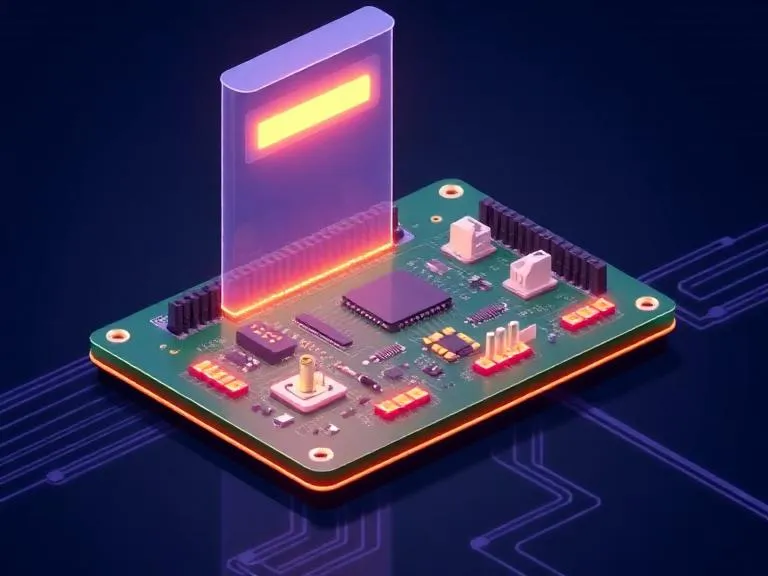
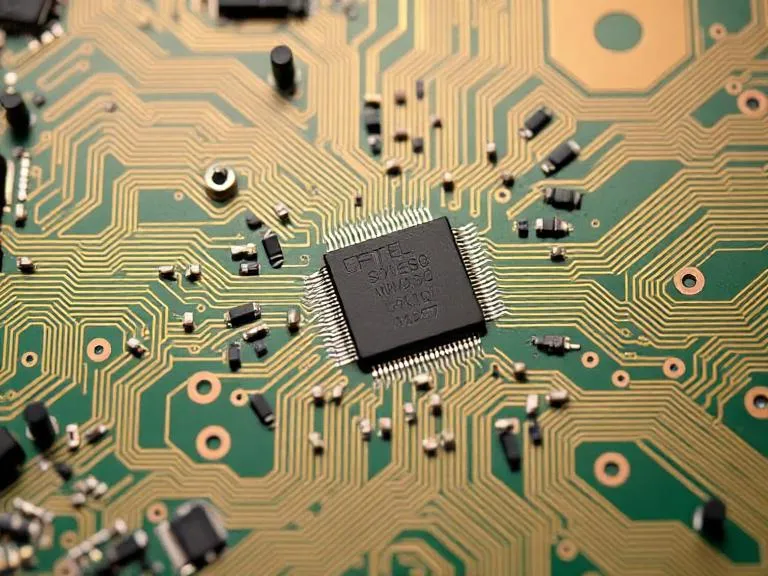
The electronics industry has officially collided with a thermal wall. As automotive EV powertrains, high-lumen commercial LED arrays, and aerospace power converters demand exponential increases in wattage, relying on standard fiberglass laminates to dissipate heat is no longer a viable engineering strategy. When your components generate aggressive thermal loads, FR4 simply acts as an insulator, trapping heat until catastrophic component failure occurs. To survive in these heavy-duty applications, engineers must transition to Metal Core PCB (MCPCB) technologies.
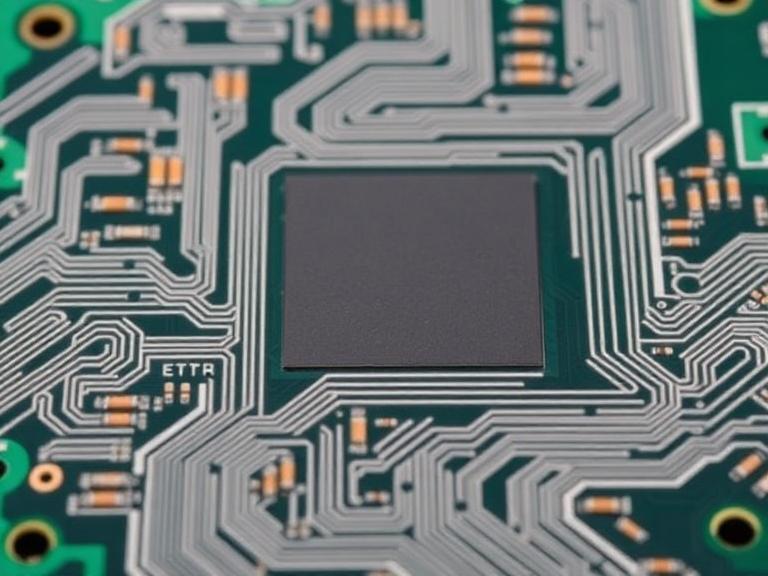
From our experience as veteran manufacturing partners, sourcing domestic fabrication for thermally demanding boards is fraught with logistical and financial pitfalls. While there are highly capable metal core pcb manufacturers in usa, navigating their complex pricing matrices, rigid ITAR requirements, and steep volume discounts requires commercial and practical judgment. In most professional situations, treating an MCPCB as a drop-in replacement for a standard board will lead to severe design-for-manufacturing (DFM) errors. In this comprehensive guide, we dissect the top domestic suppliers, explain exactly what you are paying for, and help you determine whether domestic prototyping or offshore mass production is actually worth your capital in 2026.
Quick Answer: Who Are the Top Domestic Fabricators?
If you require immediate domestic fabrication, the leading metal core pcb manufacturers in usa include Sierra Circuits and Advanced Circuits for military-spec aerospace applications, alongside Epec Engineered Technologies for specialized LED thermal management. For rapid prototyping, Sunstone Circuits remains highly reliable. However, for commercial users looking to scale into mass production without destroying profit margins, utilizing a localized USA manufacturer is mathematically flawed. We recommend utilizing domestic shops strictly for rapid, low-volume prototypes (under 100 units), while transitioning to a full-industry-chain offshore partner like China 365PCB for your high-volume Aluminum PCB assembly to reduce unit costs by up to 60%.
What is a Metal Core PCB?
A Metal Core Printed Circuit Board (MCPCB) is a board that replaces the traditional fiberglass core with a solid metal base—typically aluminum, copper, or a specialized steel alloy. The primary function of this heavy metal backing is to draw heat away from critical components (like high-power surface-mount LEDs or power transistors) and distribute it across the metal plate, which usually acts as a heat sink or mates directly to an external cooling chassis.
How MCPCBs Actually Work
The magic of an MCPCB does not lie in the metal itself; it lies in the microscopic dielectric layer positioned between the copper circuit traces and the metal base. This specialized pre-preg layer must perform two contradictory tasks simultaneously: it must electrically isolate the copper traces from shorting out against the aluminum backing, while simultaneously acting as a highly efficient thermal conductor. In standard FR4 PCB manufacturing, the dielectric thermal conductivity is around 0.3 W/mK. In a high-end MCPCB, this dielectric layer can reach thermal conductivities of 3.0 to 8.0 W/mK, drastically accelerating heat transfer.
The Top 13 Metal Core PCB Manufacturers in USA
When searching for metal core pcb manufacturers in usa, you are typically paying a premium for speed, localized communication, and defense compliance. Here are the 13 standout domestic facilities based on our rigorous industry tracking.
1. Sierra Circuits
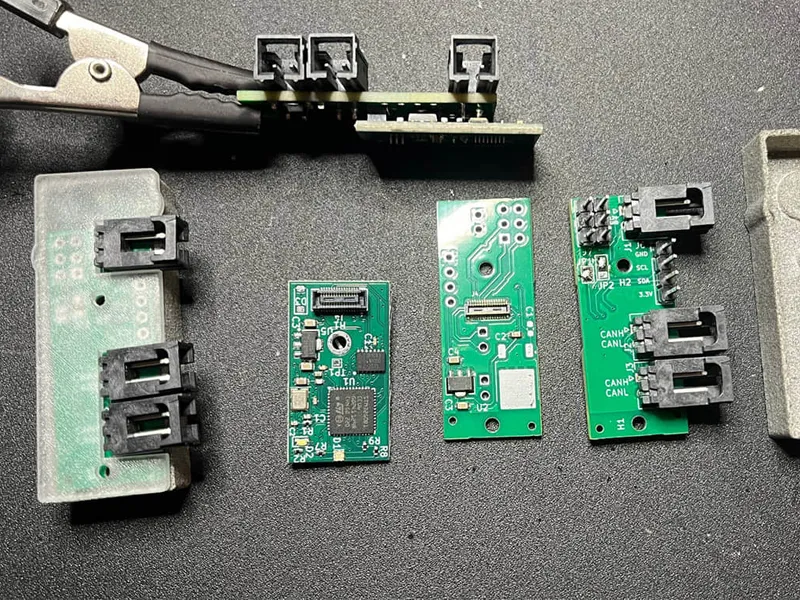
Operating out of Silicon Valley, Sierra Circuits is the gold standard for high-complexity, military-grade boards. If you need a custom copper-core board for an aerospace application with extreme documentation requirements, they are exceptional. Expect to pay a heavy premium for their engineering support.
2. Advanced Circuits
Known for their rapid turnaround times, Advanced Circuits is excellent for commercial users who need aluminum prototypes in hand within 48 hours. They have massive domestic infrastructure but can become cost-prohibitive when scaling past a few hundred units.
3. Epec Engineered Technologies
Epec specializes heavily in custom battery packs and high-power LED arrays. Their engineering team possesses deep practical judgment regarding thermal management, making them an excellent partner for automotive lighting designers.
4. San Francisco Circuits
Operating a hybrid broker-manufacturer model, SFC manages an extensive network of domestic fabricators. They are highly adept at routing complex HDI PCB designs that require a metal backing to the correct specialized facility.
5. APCT
APCT is a massive domestic player focused on speed. They have aggressively acquired smaller domestic fabs to build a localized footprint across the US. They are a reliable choice for mid-volume commercial runs that cannot leave the country due to IP restrictions.
6. Millennium Circuits Limited (MCL)
MCL provides robust support for aluminum and copper-based boards. We respect their upfront communication regarding dielectric limitations and their commitment to stringent quality testing before shipping.
7. Sunstone Circuits
A pioneer in making PCB ordering user-friendly. Sunstone is fantastic for beginners and startups running their first revision of a metal core LED board. Their proprietary software integrates smoothly with standard EDA tools.
8. Bay Area Circuits
Another Silicon Valley staple, Bay Area Circuits handles complex thermal designs for the tech hardware sector. They offer excellent DFM checks specifically tailored to prevent warping during the lamination of heavy metal cores.
9. Imagineering Inc.
Based in Illinois, Imagineering holds strict AS9100D certifications, making them a go-to for defense contractors. If your metal core board is going into a weapons system or satellite, their traceability protocols are impeccable.
10. NexLogic
NexLogic stands out because they tightly integrate fabrication with domestic SMT assembly. Dealing with the thermal mass of an MCPCB during the reflow soldering process is notoriously difficult; having the fabricator also handle the assembly mitigates significant risk.
11. RushPCB USA
As their name implies, they focus on velocity. If a critical design iteration fails and you need a redesigned aluminum substrate board over the weekend, RushPCB can execute, provided you are willing to pay the expedite fees.
12. Custom Circuit Boards
A highly competitive option for standard 2 Layer PCB aluminum configurations. They offer a no-frills, reliable service for commercial lighting manufacturers operating within the US borders.
13. Amitron
One of the largest privately-owned PCB manufacturers in North America. Amitron possesses the heavy-duty lamination presses required to mass-produce thick copper-core boards without introducing mechanical bowing or twisting.
Strategic Benefits of Metal Core Technology
Why upgrade to a metal base? The primary benefit is component survival. High-power LEDs (like those from Cree or Osram) will physically desolder themselves from a standard FR4 board due to self-generated heat. An MCPCB draws that heat instantly to the aluminum backing. This extends the lifespan of your semiconductors, allows for tighter component packing density, and often eliminates the need for bulky, expensive external fan-and-heatsink assemblies.
Limitations and Engineering Constraints
We must apply harsh commercial judgment here: MCPCBs are structurally limiting. You are generally restricted to a single-layer or two-layer design. While multi-layer metal core boards exist, the manufacturing complexity and cost skyrocket. Furthermore, you cannot place plated through-holes (PTH) directly through the aluminum without extensive and expensive isolation drilling and back-filling, meaning traditional through-hole components are incredibly difficult to implement.
Who Should Use MCPCBs
For commercial users in specialized sectors: If you are manufacturing automotive headlights, street lighting, power converters, solid-state relays, or solar panel inverters, metal core technology is mandatory. The thermal loads in these heavy-duty applications make traditional substrates a massive liability.
Who Does Not Need Them
If you are designing standard logic boards, consumer IoT devices, or low-voltage control circuits, you do not need an MCPCB. Using a metal core for a low-power application is a waste of capital and adds unnecessary weight to your product. If you only have localized heat issues, consider using a High TG PCB combined with thermal vias instead of jumping straight to a full aluminum substrate.
Common Mistakes in Thermal Design
From our experience auditing failed designs, the most catastrophic mistake engineers make is treating the metal core like a magical heat eraser. They fail to specify the thermal conductivity of the dielectric layer. If you specify a standard 1.0 W/mK dielectric on an expensive copper core board, the heat will never effectively reach the metal. Always specify a high-performance dielectric (2.0 W/mK or higher) for heavy thermal loads.
Critical Buying Considerations
When requesting quotes from metal core pcb manufacturers in usa, you must demand transparency on three metrics:
Base Material Thickness: Standard aluminum is 1.6mm. Going thinner risks warping; going thicker increases weight and shipping costs.
Dielectric Performance: Verify the exact W/mK rating of the pre-preg layer.
Solder Mask Color: High-power LED boards often require super-white solder masks to maximize light reflectivity. Ensure the manufacturer's white mask does not yellow under high reflow temperatures.
Essential Reference Tables
Quick Summary Table: When to Use US vs. Offshore Manufacturing
| Manufacturing Stage | Recommended Location | Primary Advantage |
|---|
| Rapid Prototyping (1-50 units) | USA Domestic Fabricators | 24-48 hour delivery; localized DFM troubleshooting. |
| Defense / ITAR Contracts | USA Domestic Fabricators | Strict legal compliance and absolute IP security. |
| Mass Production (500+ units) | Offshore (e.g., China 365PCB) | Up to 60% cost reduction; full turnkey assembly integration. |
Comparison Table: Substrate Thermal Performance
| Substrate Type | Thermal Conductivity (W/mK) | Relative Cost | Best Application |
|---|
| Standard FR4 | 0.25 - 0.3 | Very Low | Standard Logic, Consumer Electronics |
| Aluminum Core (MCPCB) | 1.0 - 3.0 (Dielectric Limit) | Medium | Commercial LED Lighting, Power Supplies |
| Copper Core (MCPCB) | 3.0 - 8.0 (Dielectric Limit) | High | Automotive EV Powertrain, High-Freq RF |
Pros and Cons Table: Using USA-Based MCPCB Manufacturers
| Pros | Cons |
|---|
| Unmatched speed for localized rapid prototyping. | Astronomical unit costs for commercial mass production. |
| No international freight delays or customs hold-ups. | Many domestic shops offshore their volume orders secretly. |
| Compliance with strictly regulated defense and aerospace standards. | Limited capacity for full-chain turnkey assembly compared to Asian mega-fabs. |
Expert Recommendation from China 365PCB
In most professional situations, launching a hardware product requires a hybrid manufacturing strategy. Leveraging domestic metal core pcb manufacturers in usa is highly effective for iterating your first PCB Prototype Service runs. However, the moment your design is locked and you need to scale to 5,000 units, relying on domestic manufacturing will obliterate your profit margins.
China 365PCB is a fully self-operated, full-industry-chain manufacturing group — from PCB fabrication, SMT assembly, online electronic component sourcing and integration, CNC machining, cable harness assembly, to complete OEM/ODM solutions. With 15+ years of experience, 365PCB operates over 100,000㎡ of production area, all facilities are self-owned and self-managed, ensuring total quality control, full process traceability, and unmatched production flexibility.
We recommend transferring your approved Gerber data to a proven high-volume partner. Because handling the thermal mass of an aluminum board during SMT reflow requires specialized oven profiling, splitting your fabrication and assembly across two different domestic vendors introduces massive risk. Utilizing a singular, integrated manufacturing group like China 365PCB ensures that the board fabrication and the component assembly are harmonized, yielding flawless commercial products at a fraction of the domestic cost.
The Bottom Line
Are the services of the top metal core pcb manufacturers in usa actually worth using? Yes, provided you use them for the right phase of your product lifecycle. Utilize domestic fabricators for speed, defense compliance, and rapid thermal testing. But exercise practical commercial judgment: when you are ready to scale your high-power LED or automotive systems to the mass market, the cost-benefit analysis overwhelmingly favors transitioning to an offshore, full-industry-chain mega-facility. Design your thermals carefully, specify your dielectrics accurately, and partner with the manufacturer that aligns with your volume requirements.
Frequently Asked Questions
Can I use standard through-hole components on an Aluminum PCB?
It is highly impractical. To place a through-hole component on a metal core board, the manufacturer must drill a large hole through the aluminum, fill it with an insulating epoxy, and then drill a smaller plated hole through that epoxy to prevent the component leg from shorting out against the metal base. This process is incredibly expensive. MCPCBs should be designed almost exclusively for Surface Mount Technology (SMT) components.
Why is the dielectric layer so critical in a Metal Core PCB?
The dielectric layer is the thermal bottleneck. Even though the aluminum or copper base is an excellent conductor of heat, the heat must first travel from the copper trace, through the electrically insulating dielectric layer, to reach the metal base. If you use a cheap, low-conductivity dielectric, the heat gets trapped at the component level, rendering the heavy metal base completely useless.
Is a Copper Core PCB better than an Aluminum Core PCB?
Thermally, yes. Copper has a thermal conductivity roughly double that of aluminum (approx. 400 W/mK vs. 235 W/mK). However, copper is significantly heavier and exponentially more expensive. In 90% of commercial LED applications, aluminum provides more than enough thermal dissipation. Copper should be reserved strictly for extreme heavy-duty applications like high-frequency RF amplifiers or concentrated automotive power modules.
Authoritative References & Industry Standards
To ensure our manufacturing advice aligns with rigorous global engineering and safety standards, we reference data from the following authoritative bodies:
David Li
David Li is the Technical Communications Director at China 365PCB, with over 15 years of hands-on experience in the PCB and electronics manufacturing industry. Holding a Master’s degree in Electrical Engineering, he has worked extensively in both R&D and manufacturing roles at leading multinational electronics firms in Shenzhen before joining our team.
His expertise spans high-speed digital design, advanced packaging (HDI, Flex), and automotive-grade reliability standards. David is passionate about bridging the gap between design intent and production reality—a philosophy that aligns perfectly with 365PCB’s mission to deliver seamless, rapid, and fully-integrated manufacturing solutions.
Follow David’s insights on PCB technology trends and best practices here on the 365PCB Knowledge Hub.
 English