Box Build Assembly Is a System Engineering Problem, Not a Mechanical Task
In electronics manufacturing, box build assembly is often described as:
· Final assembly
· Mechanical integration
· “Putting everything together”
From an assembly engineering perspective, this description is dangerously incomplete.
Box build assembly is where all upstream assumptions are tested simultaneously.
Any weakness in PCBA, components, cables, or design integration will surface here.
Unlike PCB or PCBA, box build assembly deals with:
· Mechanical constraints
· Electrical interconnection
· Thermal behavior
· Human interaction
· Serviceability
It is a system-level manufacturing discipline.
What Box Build Assembly Includes in Engineering Terms
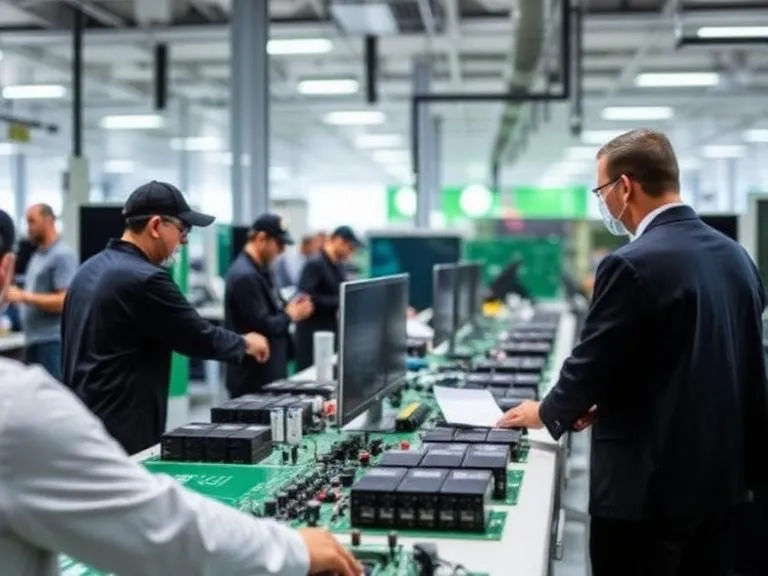
From an engineering standpoint, box build assembly typically includes:
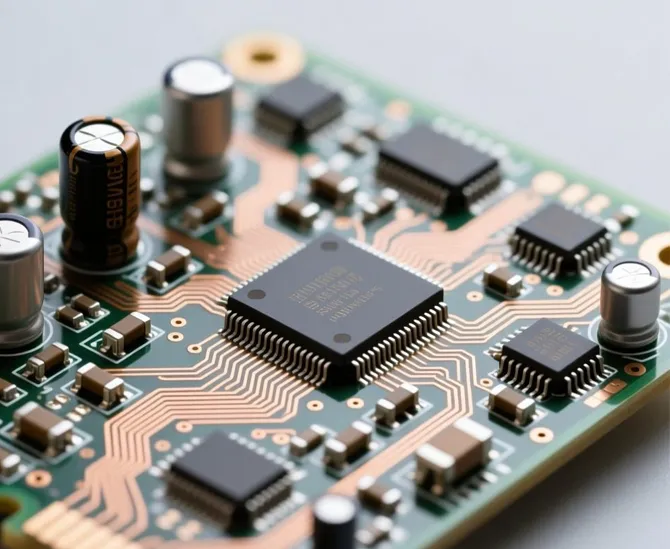
· PCBA installation
· Cable and wire harness routing
· Connector mating
· Power and signal distribution
· Mechanical fastening
· Enclosure integration
· System-level testing
Each step introduces new failure modes that do not exist at the PCB or PCBA level.
Why Box Build Assembly Carries the Highest Integration Risk
Box build assembly combines:
· Multiple tolerances
· Multiple suppliers
· Multiple assembly processes
Common engineering challenges include:
· Misalignment between PCB and enclosure
· Cable stress and abrasion
· Connector side-loading
· Fastener-induced PCB stress
Box build failures are rarely caused by a single defect — they are caused by tolerance stacking.
Mechanical Integration: Stress Is Introduced Here
4.1 PCB Mounting and Fastener Stress
Fasteners introduce:
· Localized mechanical stress
· PCB bending
· Micro-cracks in solder joints
Assembly engineering must control:
· Torque values
· Standoff height consistency
· Mounting sequence
Improper fastening is a leading cause of latent PCBA failure in box builds.
4.2 Enclosure Tolerance and Fit Issues
Enclosures vary due to:
· Machining tolerance
· Sheet metal forming variation
· Plastic shrinkage
Box build assembly must absorb these variations without transferring stress to the electronics.
Cable and Wire Harness Integration
5.1 Cable Routing as a Reliability Issue
Cables are not passive components.
Poor routing causes:
· Abrasion
· Pinch points
· Excessive bend radius
· EMI coupling
From an engineering perspective:
Cable routing determines long-term reliability more than cable quality.
5.2 Strain Relief and Connector Protection
Without proper strain relief:
· Vibration loads transfer to connectors
· Crimp fatigue accelerates
· Intermittent failures appear
Strain relief is an assembly engineering requirement, not an optional feature.
Electrical Integration and Grounding Control
Box build assembly defines:
· Grounding topology
· Shield termination
· Power distribution paths
Improper grounding leads to:
· Noise issues
· Ground loops
· EMC failures
Many EMI problems blamed on PCB design actually originate during system-level assembly.
Thermal Behavior at the System Level
7.1 Heat Is Trapped, Not Dissipated
At box build level:
· Airflow is constrained
· Heat sinks interact with enclosure
· Thermal pads introduce compression stress
Assembly engineering must ensure:
· Proper thermal contact
· Controlled compression
· Avoidance of PCB warpage
Thermal mismanagement causes accelerated aging, not immediate failure.
7.2 Fan, Vent, and Filter Integration
Fans and vents introduce:
· Vibration
· Dust ingress
· Acoustic constraints
Assembly engineers must balance:
· Cooling efficiency
· Reliability
· Serviceability
Mixed-Technology Risks in Box Build Assembly
Box build integrates:
· SMT joints
· Through-hole joints
· Crimped connections
· Screw terminals
Each technology responds differently to:
· Vibration
· Thermal cycling
· Mechanical shock
Assembly engineering must design stress isolation, not assume uniform behavior.
Process Sequencing in Box Build Assembly
Assembly order matters.
Poor sequencing causes:
· Rework damage
· Cable re-routing
· Missed inspections
Engineering must define:
· Build sequence
· Checkpoints
· Torque and verification steps
Box build without a defined sequence becomes operator-dependent and unstable.
Inspection and Test at the System Level
Box build inspection includes:
· Visual verification
· Mechanical fit check
· Connector seating confirmation
System-level testing may include:
· Power-on test
· Functional test
· Burn-in
Testing at this stage is validation, not defect prevention.
Further reading: Testing and Inspection in PCBA Engineering Detection Limits, Process Feedback, and Reliability Validation in Electronic Assembly
Rework and Repair Risks in Box Build Assembly
Reworking a boxed system introduces:
· Repeated mechanical stress
· Cable damage risk
· Fastener wear
From a reliability standpoint:
Box build rework is far more damaging than PCB rework.
Engineering must minimize rework through upstream control and clear assembly instructions.
Yield Loss Patterns in Box Build Assembly
Common yield loss drivers include:
· Connector misalignment
· Cable damage during assembly
· Fastener errors
· Missing or incorrect components
These defects are expensive because:
· Labor content is high
· Disassembly is required
Scaling Box Build Assembly from Prototype to Production
Prototype box builds often succeed due to:
· Engineering supervision
· Manual adjustment
Volume production removes these buffers.
Engineering must:
· Lock mechanical interfaces
· Standardize cable lengths and routing
· Define clear work instructions
A box build that works only with engineering presence is not production-ready.
Further reading: Prototype PCB Assembly from a PCBA Engineering Perspective Engineering Validation, Process Learning, and Risk Exposure in Early-Stage Assembly
DFA for Box Build Assembly (System Assembly View)
Effective DFA for box build focuses on:
· Tool access
· Assembly sequence clarity
· Cable routing simplicity
· Fastener standardization
· Serviceability
Designs optimized only for function often fail at the system assembly level.
How China 365PCB Approaches Box Build Assembly Engineering
As a leading PCB assembly manufacturer, China 365PCB treats box build assembly as a system integration engineering service, not final packaging.
Our approach includes:
· PCBA + mechanical co-review
· Harness and connector validation
· Assembly sequence definition
· System-level testing strategy
Our objective is repeatable, serviceable, and reliable system assembly.
Final Thoughts: Box Build Is Where Products Become Real
Box build assembly is where:
· Electronics meet mechanics
· Design meets reality
· Reliability is proven or destroyed
A system that works on the bench can fail in the box.
Box build success depends on:
· Engineering discipline
· Assembly control
· System thinking
Assembly-Focused CTA
If your product requires full system integration—including PCBA, cabling, enclosure, and final test—engineering-driven box build assembly is essential.
Our team can support system assembly with process control, reliability focus, and production alignment.
David Li
David Li is the Technical Communications Director at China 365PCB, with over 15 years of hands-on experience in the PCB and electronics manufacturing industry. Holding a Master’s degree in Electrical Engineering, he has worked extensively in both R&D and manufacturing roles at leading multinational electronics firms in Shenzhen before joining our team.
His expertise spans high-speed digital design, advanced packaging (HDI, Flex), and automotive-grade reliability standards. David is passionate about bridging the gap between design intent and production reality—a philosophy that aligns perfectly with 365PCB’s mission to deliver seamless, rapid, and fully-integrated manufacturing solutions.
Follow David’s insights on PCB technology trends and best practices here on the 365PCB Knowledge Hub.
 English